



Fiji's proposed Kava Bill is moving closer to Parliament after consultations were completed across all four divisions of the nation.
The legislation is intended to create a formal framework for the yaqona (kava) industry, which has operated for decades without comprehensive laws to guide regulation, standards and stakeholder protections.
The Bill is being developed alongside a National Kava Policy, with the Government aiming to align legal protections with wider industry development, research, climate resilience and global market positioning.
Minister for Agriculture, Waterways and Sugar Industry Tomasi Tunabuna told Parliament yaqona remained one of Fiji's most important cultural and economic sectors.
"Yaqona is more than just an agricultural commodity," he said.
"It is the lifeblood of rural communities, a bridge between tradition and modern economic opportunity, and a key source of income for over 14,500 households across Fiji."
Mr Tunabuna said the Government had taken steps to address the lack of a comprehensive legislative framework for the sector.
The Kava Bill was first developed in 2016 and reviewed in 2018, but had not been tabled in Parliament.
Cabinet approved its revival in 2025, with a focus on making sure the legislation reflects current global market demands and modern regulatory standards.
Mr Tunabuna said the process was being handled carefully because of the number of people and communities who depend on yaqona.
"This is not about rushing legislation," he said.
"It is about getting it right—through consultation, inclusivity, and careful consideration of the needs of those who depend on this industry."
Over the past year, the Ministry reconvened the National Kava Steering Committee, which includes farmers, exporters, processors, non-government organisations and regulatory bodies.

The committee's recommendations informed the draft Bill submitted to the Solicitor-General's Office.
Public consultations were conducted across all four divisions, reaching communities in Naitasiri, Serua, Namosi, Nadroga/Navosa, Ra, Taveuni and the Eastern Division.
Led by Assistant Minister Inosi Kuridrani, the final round of consultations concluded on Gau Island last week.
The Ministry said the final consultation marked the completion of an extensive national engagement process.
Participation from women, youth and persons with special abilities was notably strong, reflecting broad interest in the sector.
The Kava Bill is expected to establish the legal framework for the industry.
It includes the creation of a National Kava Council to regulate standards and protect product integrity, with the National Kava Policy to provide strategic direction for industry development.
Mr Tunabuna said the Bill and policy were being developed together so regulation and development could work from the same foundation.
"This dual approach ensures that both the regulatory and developmental aspects of the industry are aligned from the outset," he said.
The finalised National Kava Policy is expected to be submitted to the Solicitor-General's Office by mid-May 2026.
Ahead of the Bill being tabled in Parliament, the Ministry said it was working closely with legal drafters to ensure transparency and efficiency.
The proposed reforms come as yaqona continues to hold a central place in Fiji's rural economy and cultural life.
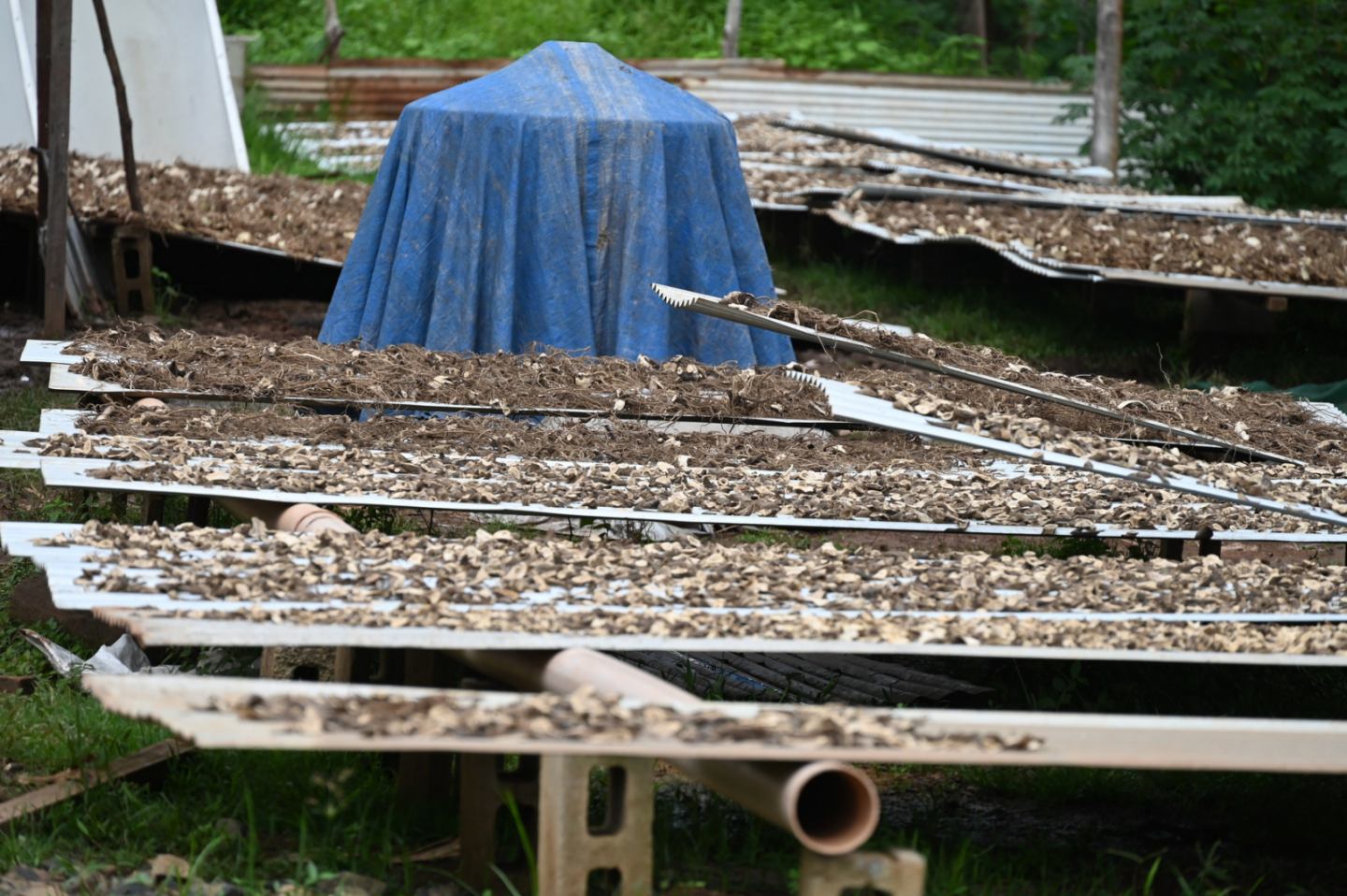
For growers and exporters, a formal legal framework could give clearer rules around standards, product integrity and sector governance.
For rural and maritime communities, the Bill is being positioned as a way to support long-term livelihoods tied to the crop.
Mr Tunabuna said the Government remained committed to farmers, market vendors, maritime communities and exporters.
"To all our yaqona farmers, market vendors, maritime communities, and exporters—this Government sees you, hears you, and is working to secure a stronger, more sustainable future for you and your families," he said.
The Government said yaqona would continue to be treated as both a cultural treasure and a resilient economic sector.
It said the Bill was part of a wider effort to strengthen the industry while protecting the people and communities who rely on it.
"We are moving forward with consultation, care, and conviction to build a protected, sustainable, and prosperous yaqona industry for all Fijians," Mr Tunabuna said.