



Fiji's Ministry of Agriculture, Waterways and Sugar Industry has handed over $22,000 (AUD 14,300) in yaqona (kava) processing equipment to the Nauria Youth Group in Nauria Village, Nalawa District, to support youth-led farming in Ra Province.
The package includes a yaqona pounding machine, a vacuum packing machine and wash-bay materials, intended to help the group process and market yaqona directly from the village.
The handover was commissioned by Fiji's Assistant Minister for Agriculture, Waterways and Sugar Industry, Inosi Kuridrani, who linked the support to value adding and better returns for producers.
"With this assistance, you are now empowered to cultivate, harvest, process, pack, and market your own yaqona right here from Nauria, name it your own and sell it at its true value of $120 to $160 per kilogram," Mr Kuridrani said.
The equipment handover came as the Nauria Youth Cluster, a farming group of 44 registered members in Nauria village, marked one year since it was established on 10 February 2025 to tackle poverty and improve livelihoods through agriculture.
The cluster is cultivating yaqona, dalo (taro) and cassava as a source of income.The initiative began with support from village elders, who encouraged young people to focus on farming as a way to counter challenges including drugs, urban migration and internet distractions.
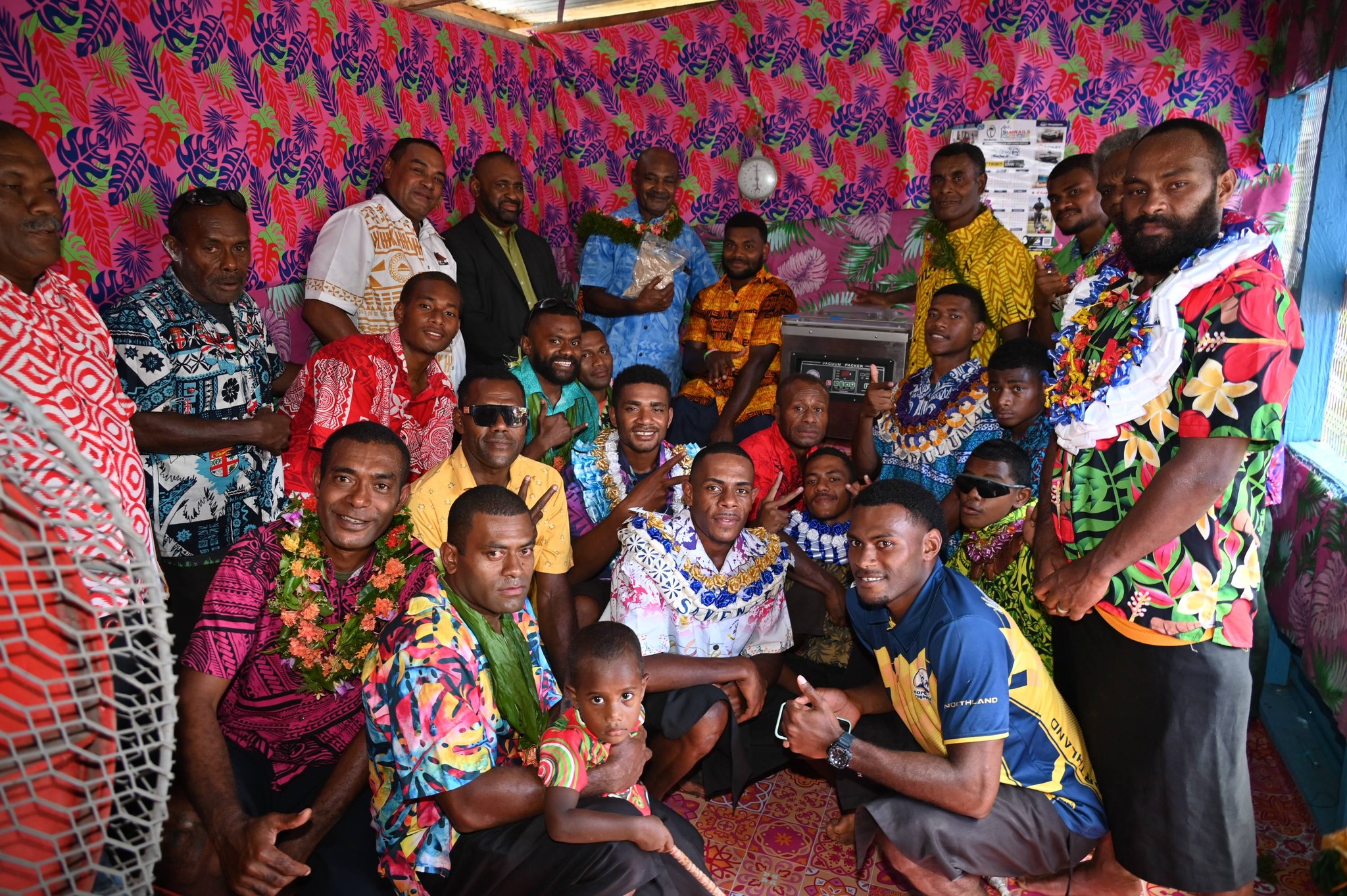
Cluster leader, Taniela Koro, said the first year had strengthened the group's resolve to build a future rooted in agriculture.
"This initiative is about giving our young people purpose, dignity, and a future they can build with their own hands," Mr Koro said.
The anniversary celebration was attended by Mr Kuridrani, who commended the youth for their commitment to agriculture and community development.
The Ministry said the initiative was anchored in "solesolevaki", a traditional Fijian practice of collective effort, and framed the approach as a way for young farmers to strengthen economic independence.
The same handover was positioned as supporting the group to reduce reliance on middlemen by processing, packing and marketing its product directly from the village.
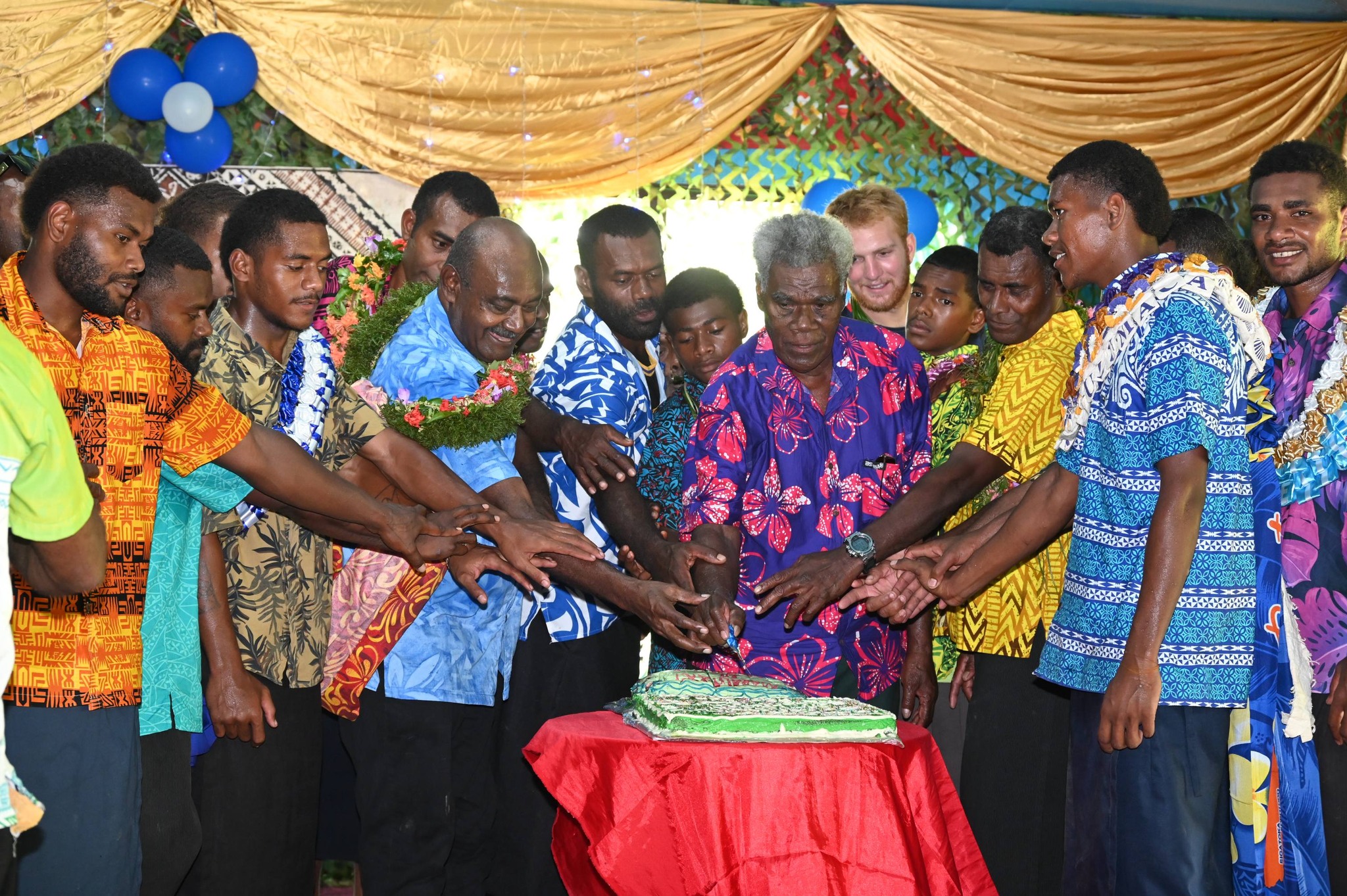
The long-term goal for the group is to harvest its yaqona farm in 2029. The plan is for the crop to be processed entirely in Nauria, including washing, drying, pounding and vacuum packing before sale.
Pure waka (lateral roots of the kava plant) was flagged as expected to sell for between $120 and $150 per kilogram, with the income described as supporting members and strengthening community resilience.
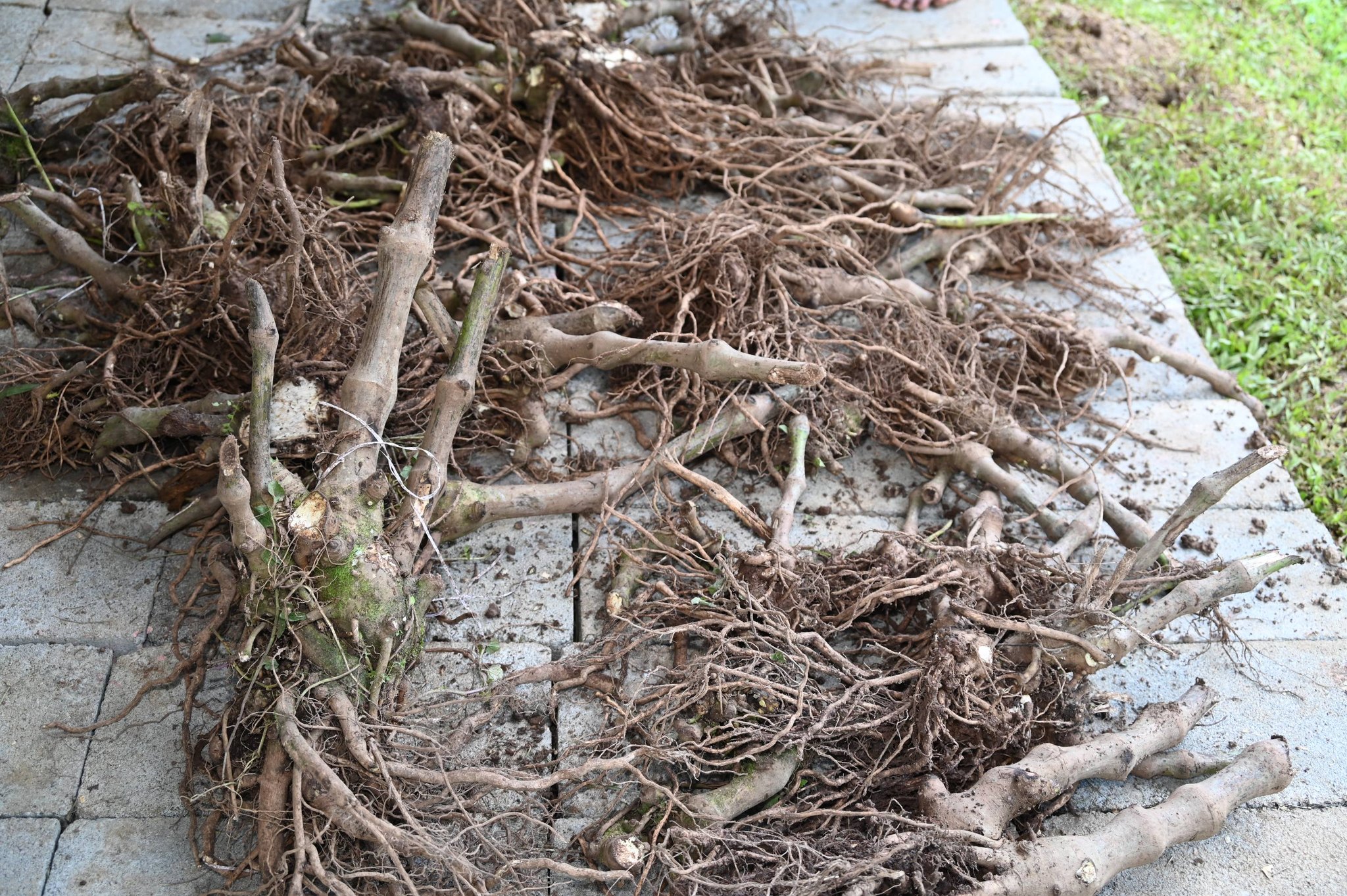
The cluster has already established local market links while working towards its 2029 yaqona harvest target.
The handover was also framed as coming with responsibility to use the equipment well and protect crops as production expands.
Mr Kuridrani urged the group to remain disciplined and focus on value-adding practices.
He also stressed the need to uphold sustainable farming methods and work closely with Ministry officers to protect crops against challenges such as Kava Dieback Disease.
The Ministry said it hoped Nauria would become a model for youth-led agricultural development in Fiji, demonstrating how collective farming under solesolevaki could transform rural communities and support long-term prosperity for Fiji's kava industry.