



The government of Fiji is pushing to revitalise the country's sugar industry through reforms aimed at improving farmer support, financial security and long-term sustainability across the sector.
The measures include new savings schemes for farmers, expanded insurance protections, digital services and broader structural reforms aimed at strengthening an industry that supports thousands of rural families.
Minister for Agriculture, Waterways and Sugar Industry, Tomasi Tunabuna, said the initiatives are designed to provide growers with greater financial stability and confidence in the sector.
"This scheme allows voluntary deductions, giving farmers the opportunity to contribute directly from their cane proceeds to Fiji National Provident Fund contributions," he said.
"This initiative empowers farmers to save, invest and protect themselves - an important step toward economic resilience."
The voluntary savings arrangement forms part of a memorandum of understanding between the Sugar Cane Growers Fund and the Fiji National Provident Fund, allowing farmers to contribute to retirement savings directly from their cane proceeds.
The Growers Fund has also secured funding through the Pacific Digital Economy Program to introduce a Special Social Security Savings product and strengthen digital access for farmers.
An agreement with technology provider Computer 1 will support the rollout of a document management system and chatbot integration designed to improve growers' access to records and services.

"This program is designed to enhance financial inclusion for women-owned micro, small and medium enterprises by driving digital transformation in financial institutions," Mr Tunabuna said.
"Importantly, it will ensure that growers - especially women farmers, who are among the most vulnerable - gain real access to their documents and services."
Financial relief measures have also been introduced to reduce pressure on sugarcane farmers.
Interest rates on productive loan accounts have been reduced from 4.5 per cent to 3.95 per cent, with growers achieving at least 75 per cent green cane harvest eligible for a further reduction to 3.5 per cent.
A commercial specialised loan product has also been introduced to support growers seeking additional income streams.
An expanded revolving credit facility will provide farmers with more flexible access to funds, particularly for those recovering from recent flooding in the Western Division.
"Our farmers work tirelessly for today, but they must also be able to retire with dignity," Mr Tunabuna said.
"This partnership bridges the gap between farming and formal social security."
Insurance protections are also being expanded across the sector.
A mortgage protection insurance scheme has been introduced to cover outstanding Growers Fund loans of up to $50,000 in the event of a grower's death or permanent disability.
House fire insurance coverage will also be rolled out to protect growers' homes against catastrophic loss.
The reforms form part of a broader strategy to strengthen and modernise Fiji's sugar industry.
Mr Tunabuna told Parliament that bringing the sugar portfolio under the Ministry of Agriculture and Waterways would improve coordination of programs and services supporting cane farmers.
"Bringing the sugar industry under the Ministry of Agriculture and Waterways allows us to better align policies, programs and resources to support our farmers and improve productivity across the sector," he said.
Government programs have also supported infrastructure and farm productivity across the industry.
Nearly 2,250 kilometres of cane access roads have been upgraded to improve transport from farms to mills.
A further 857 farmers have been assisted with lease renewals, allowing them to continue operating in the sector.
Investment has also been directed toward mechanisation support, fertiliser and cane cartage subsidies to help reduce production costs and improve efficiency.
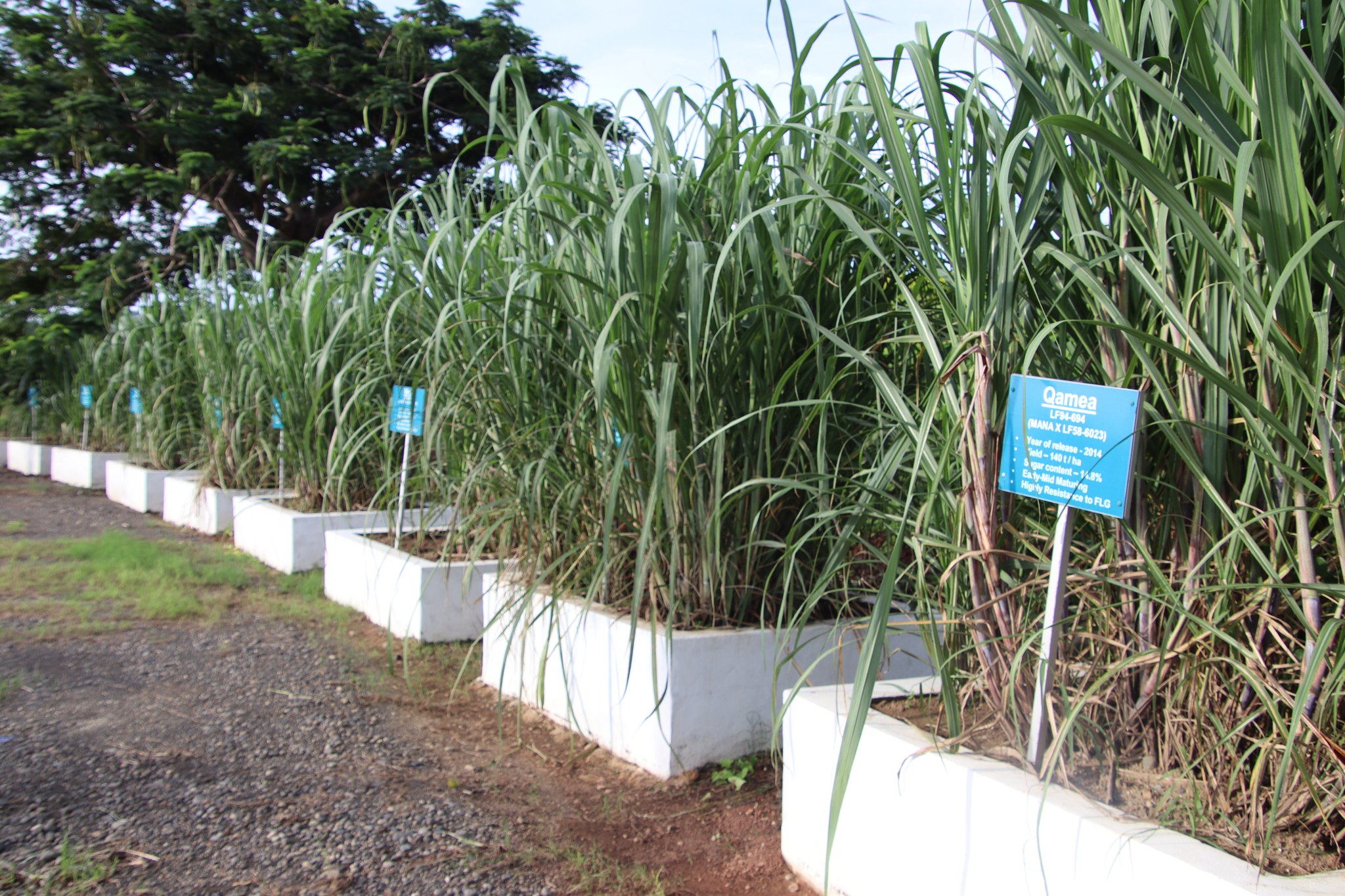
Research and innovation are also continuing through the Sugar Research Institute of Fiji, which conducts work on cane breeding, soil analysis, pest and disease screening and seedcane production.
Mr Tunabuna said the industry remains central to rural communities across the country.
"The sugar industry is not just an economic sector - it is a lifeline for thousands of families directly and indirectly dependent on this industry," he said.
"Together, through collaboration and innovation, we will ensure that our sugar industry thrives for generations to come."