



Fiji has increased funding for kava farming and launched nationwide consultations on a proposed Kava Policy and Bill as the sector records its highest ever export earnings and the government sets an ambitious growth target.
The Fijian Ministry of Agriculture, Waterways and Sugar Industry confirmed kava program funding has risen sharply in the 2025-2026 National Budget, alongside renewed investment in research, youth participation and export development, as farmers continue to underpin strong international demand.
The announcement comes as Fiji's kava exports are projected to reach a record $53 million in 2024, driven by more than 17,200 farmers across the country and growing demand in overseas markets.
Minister for Agriculture, Waterways and Sugar Industry, Tomasi Tunabuna, said farmers remain central to the success of the sector and to Fiji's export growth.
"The success of Fiji's kava exports rests firmly on the dedication of our farmers. Without them, there would be no export industry," he said.
"Yaqona has delivered uninterrupted growth. In 2015 we earned just FJD 8 million; in 2024 we project FJD 53 million - a more than six-fold increase and the highest on record.
"Our goal is to increase kava exports from $53 million in 2024 to $250 million by early 2028."
Mr Tunabuna made the comments during the handover of farming equipment to Naikorokoro Kava Farmers of Togalevu in Rewa at the Lami Kava Factory, where he acknowledged local growers for their role in supplying Fiji's export industry.
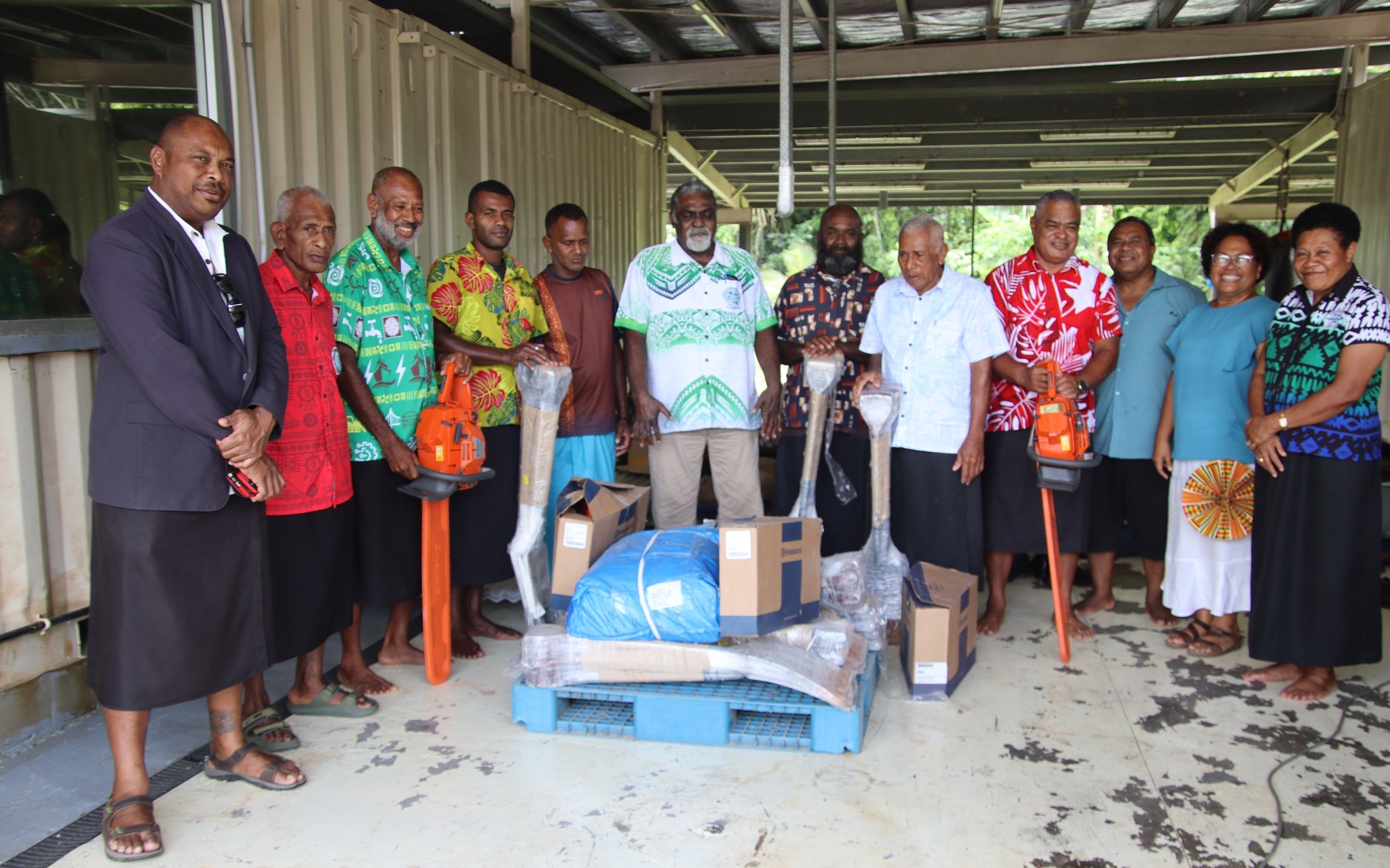
More than 20 Naikorokoro Village farmers are registered suppliers to Lami Kava, regularly delivering volumes exceeding 500 kilograms, with village elders also recognised for mentoring young people and sustaining kava farming as a viable livelihood.
Lami Kava, established in 1982, exports about 80 per cent of its products to the United States, with the remainder sold locally and online, making it one of Fiji's longest-standing exporters in the sector.
Mr Tunabuna said the United States kava market now presents significant opportunities for farmers and exporters, provided quality and food safety standards are maintained.
"The United States kava market is now valued at over one billion dollars," he said.
"This represents a major opportunity for our farmers and exporters, but quality and food safety must remain our top priority."
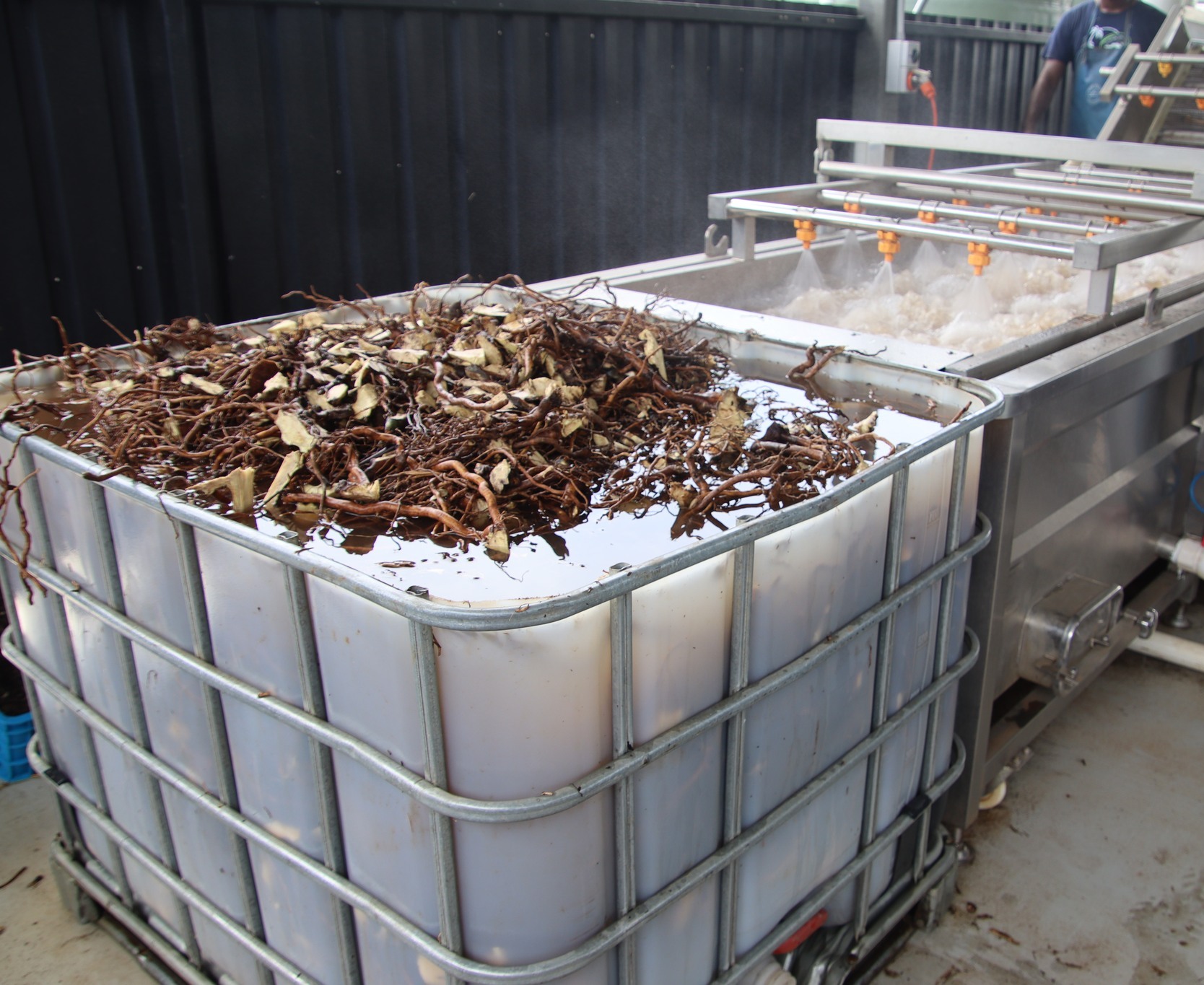
Mr Tunabuna said concerns raised by United States importers during a kava mission in February 2025 had highlighted contamination risks and compliance requirements under strict food safety standards, prompting the Ministry to expand programs and strengthen quality controls.
Under the latest National Budget, funding for the Kava Farming Program has increased from $500,000 to $1.9 million, while $782,600 has been allocated to revive the Kava Research Program, focusing on noble varieties, clean planting material and improved post-harvest practices.
A further $281,000 has been committed to the Youth in Agriculture Program to support young farmers supplying major exporters, while encouraging rural livelihoods and reducing outward migration.
Farming inputs valued at $16,252.40 were handed over to Naikorokoro Kava Farmers under the Commercial Agriculture Development Program as part of the expanded support package.
Alongside the funding boost, the Government has opened public consultations on a national Kava Policy and Kava Bill to strengthen regulation and protect farmers, consumers and exporters.
More than 100 farmers from Tailevu Province attended the opening consultation at the Korovou Agriculture Station, with further sessions held in Naitasiri and other regions.
Ministry of Agriculture Kava Consultant, Losalini Leweniqila, said kava production now supports more than 14,500 farming households and plays a central role in rural and outer island economies.
"Kava is not just a crop; it is part of our culture, our livelihood, and our national economy," she said.
Farmers raised concerns during the consultations including poor access roads, transport challenges, machinery shortages, theft, plant disease and limited access to finance.
Assistant Minister for Agriculture, Waterways and Sugar Industry, Inosi Kuridrani, said the proposed legislation would introduce a clear regulatory framework and establish a Kava Council to oversee issues across the sector.
"Kava is a significant commodity that contributes substantial revenue to the Government, supporting the funding of key government activities over the years," he said.
The Ministry said consultations will continue nationwide as it works toward a regulatory framework to support long-term growth, improve quality assurance and ensure farmers remain at the centre of Fiji's expanding kava industry.