





Set deep in the Kimberley bushland, a cluster of new buildings and a tennis court have risen as an on-Country program for Aboriginal young people at risk of entering the justice system is taking shape.
The trees framed Friday's pre-opening ceremony for the Wala Kooral-bi Centre, created by KRED Enterprises to house the Marlamanu program.
The Aboriginal-led initiative is based at Mount Anderson Station on Nyikina Mangala Country, about 120 kilometres south-east of Derby, with its three-year pilot expected to become operational next year.
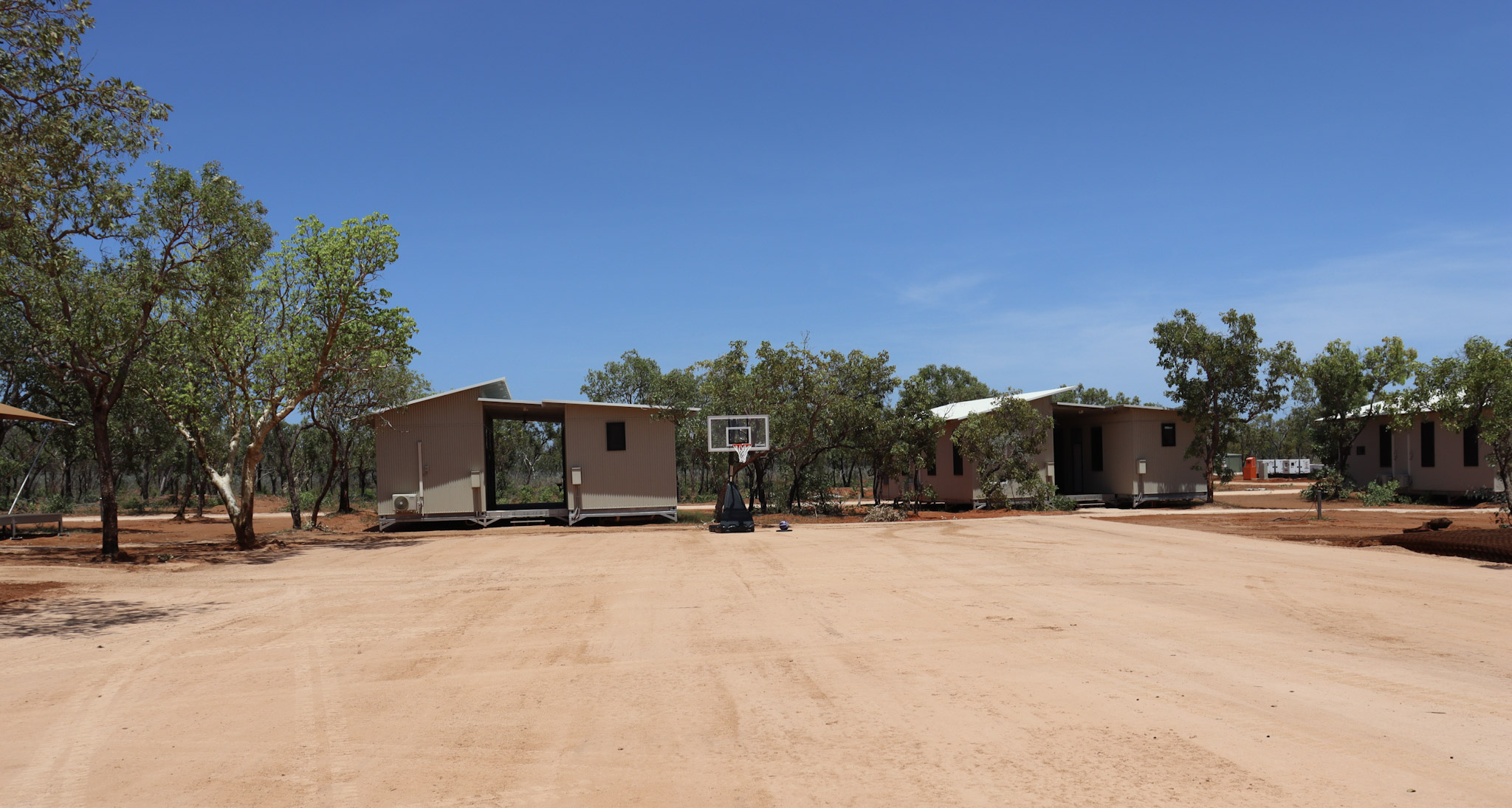
Its landscape of cattle yards and wide horizons stands in stark contrast to the images released earlier this week of six young people clambering onto the roof of Banksia Hill in Perth, WA's only youth detention centre.
By Tuesday morning all six had come down, and three of the boys were then moved to Unit 18, the notorious youth wing inside the maximum-security adult prison at Casuarina.
Noongar justice advocate Megan Krakouer told National Indigenous Times conditions within Banksia Hill "remain dangerous, degrading, and completely unacceptable".
Ms Krakouer said children at risk of entering the justice system "deserve dignity, safety, accountability, and a system that actually works".
Her longtime colleague Gerry Georgatos said the Marlamanu model offered "a constructive alternative" to the status quo.
Speaking at the ribbon-cutting ceremony, Kimberley MP Divina D'Anna became emotional, saying her reaction came from "knowing how much work community leaders have put into establishing an alternative way of responding to challenging situations".
The program has been shaped by experts in youth justice diversion together with cultural leaders, aiming to interrupt cycles of disadvantage through structured daily activities, therapeutic support, education and mentoring delivered on Country.
Ms D'Anna said involving families was key.
"Marlamanu is not just about working with these kids, but also their families," she said. "It's about not putting them in confines and norms."
Ms D'Anna, who has served as Member for the Kimberley for close to five years, has long observed the rupturing of identity many Aboriginal young people experience when they are taken off Country through State intervention or detention.
She says Marlamanu offers a way to repair that.
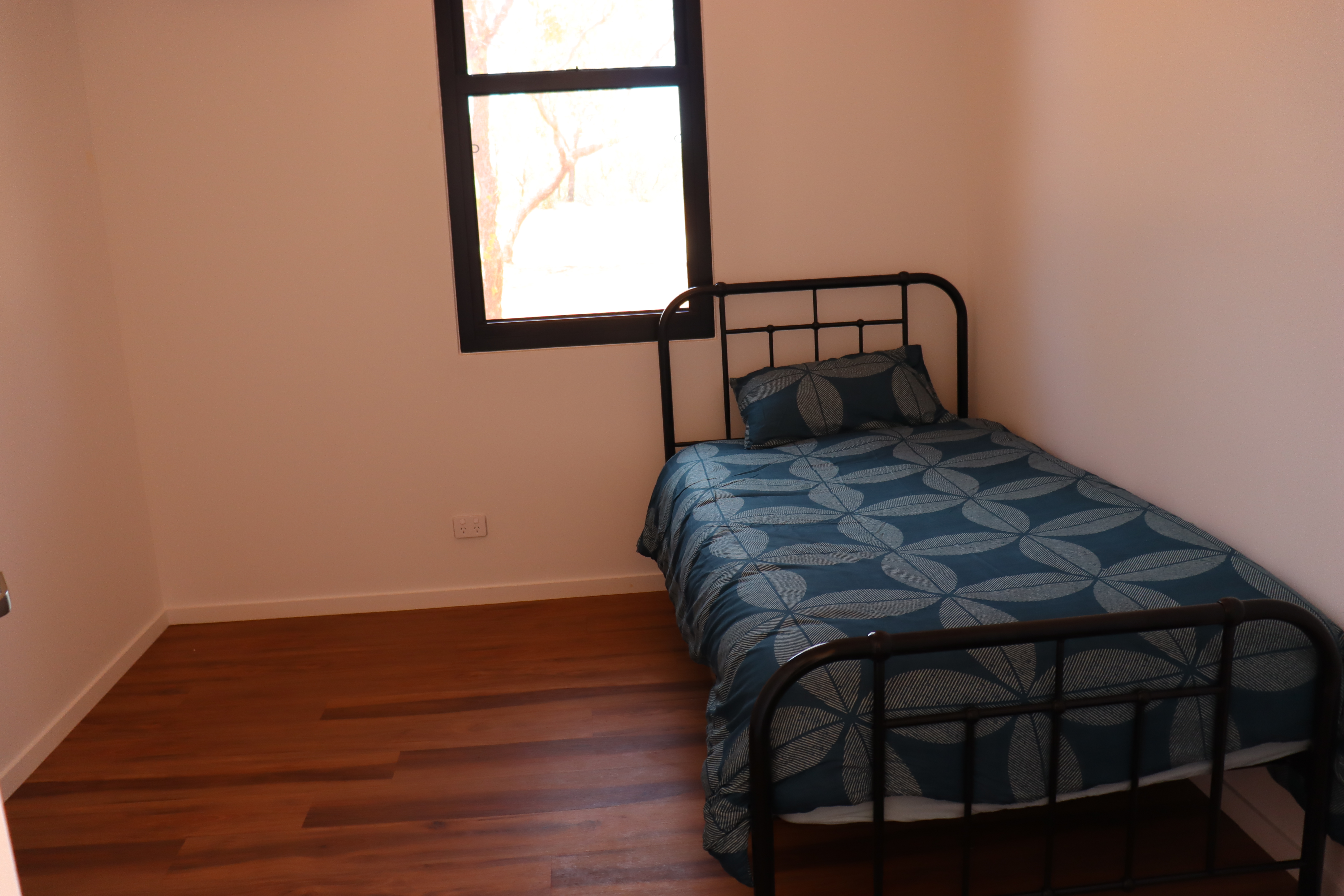
"I know that disconnect they feel when they're taken from their places, or never given the opportunity to come out to a place like this — away from distractions — to focus on themselves and reconnect with land and culture," she said.
For Ms D'Anna, Marlamanu also goes beyond diversion.
With support from the Kimberley Agriculture and Pastoral Company (KAPCO), the program will allow participants to experience mustering and caring for animals.
"It's about turning their light switches on to all their opportunities in life," she said. "But it isn't about forcing them to do this."
Unlike many other diversion programs, Marlamanu is voluntary.
Those involved in designing the model say that if the pilot proves effective, lawyers and youth justice officers may eventually look to it as a program they could recommend to young people seeking community-based support.
That could include lawyers proposing it as a structured option while on bail, or youth justice officers suggesting it as part of a community-based order, subject to court approval.
However, KRED chief executive Damian Parriman is clear Marlamanu is not a bail house and does not operate as a custodial facility.
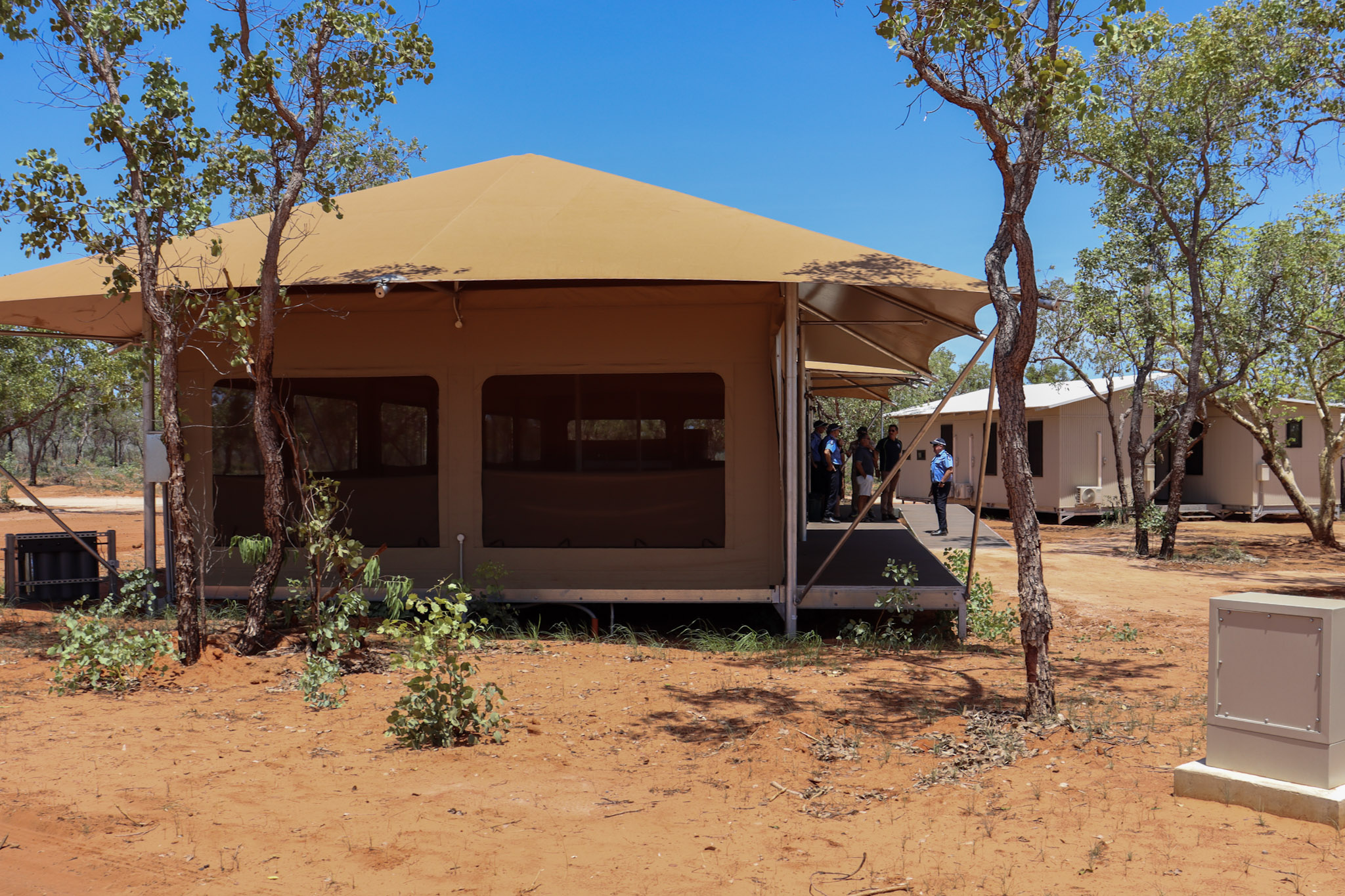
"We will do whatever we can to make sure they are engaged in the program and want to be here," he said.
"However, there will be instances where a young person doesn't want to be here. That's something we'll have to work through with that young person."
For Mr Georgatos, the Marlamanu program "represents the kind of culturally grounded, therapeutic support that disadvantaged young people have been crying out for".
"Instead of cycling through punitive environments, they would be placed on Country, guided by mentors, and connected to culture, healing and purpose. Programs like Marlamanu show what is possible when we invest in young people rather than simply containing them," he told National Indigenous Times.
Minister for the Kimberley, Stephen Dawson, said he had no doubt the model would succeed.
"I know it is going to work," he said, adding he hoped to see programs like Marlamanu replicated across WA.