



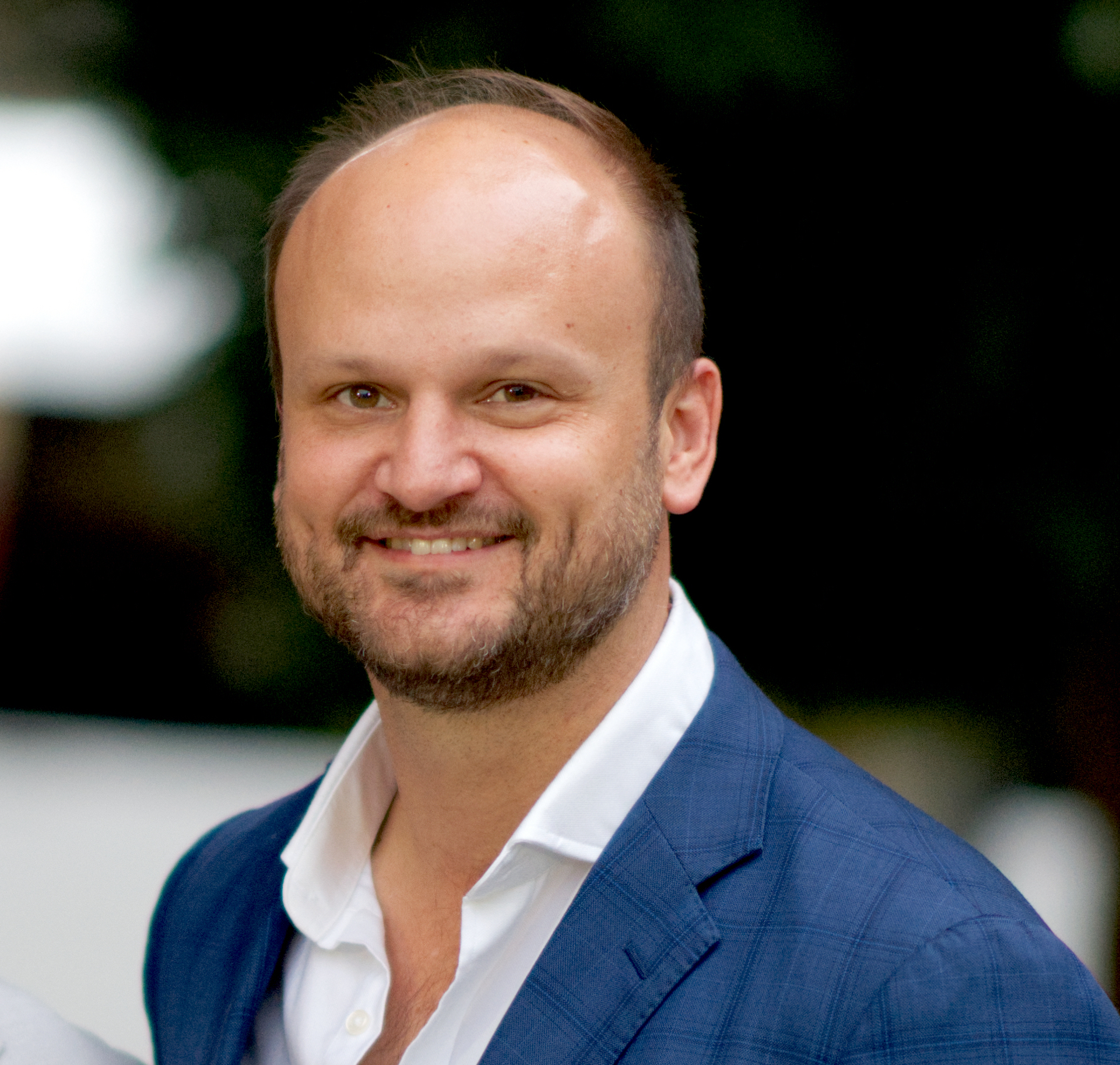

When Frank Mitchell reflects on his path to leading one of Australia's fastest-growing Aboriginal construction businesses, he comes back to a single theme: opportunity.
"I'm a proud Wadjuk/Yued Noongar," he says. "My family name is Shaw through my father's side. My great-grandfather changed it to Mitchell and he lost his connection. My story has been about reclaiming identity, culture and creating opportunity where it lacked."
Mitchell grew up in Balingup, in WA's Southwest. His parents were artists.
He says, "we had little money and shared some painful moments, but I treasure the connections I have with family and the Country I was raised on."
He credits family with instilling values that have shaped his leadership.
"Money was never a driver for mum and dad," he says. "They followed their passion, not what society expected of them, and they stood by each other, humble enough to seek help through hard times. They are still together today, that's grounded me."
His road through adolescence was rocky. Mitchell speaks openly about mental health struggles and losing close friends to suicide and misfortune.
"Those moments rocked me. Growing up in a rural community, there weren't many opportunities. That lack of inspiration can be the difference between a life diminishing or flourishing."
At 21, he became a father. "It was a huge moment," he recalls. "I was still a kid myself, but fatherhood lit a fire. It wasn't just me anymore. It was about providing for my son, Xavier."
Mitchell tried a string of jobs before his uncle, Russell Wilson, offered him an electrical apprenticeship. "I didn't think I had the smarts for it. But my uncle believed in me. That encouragement changed everything."
He finished his apprenticeship, bought a house, and moved into project management. "I loved dealing with clients and building relationships. It came naturally," he says. When his uncle decided to sell the business, he encouraged Frank to buy in.
"I said, how could I do that? I had no money. He said, we'll go Vendor Finance, pay me back over time. That belief, again, was life-changing."
In November 2016, alongside business partners Tim Bidstrup and Dwayne Rowland, Mitchell set an ambitious goal: "20 Aboriginal apprentices by 2020." He admits the target was daunting.
"We were a team of eight. But I knew if we could change one life, we'd have succeeded."
By 2020, they created 23 Aboriginal positions, including 14 electrical apprenticeships. Wilco Electrical now turns over $8 million with 35 staff.
Kardan Construction was established in 2019, spun out of Wilco's project management arm. "We called it Kardan - the Noongar word for Marri tree - because we wanted it to represent shelter and strength."
Starting with three staff, Kardan has grown to 97 staff and $28 million turnover last financial year. "It's been a massive journey," Mitchell says.
.jpeg)
Financing that growth was not straightforward.
"We went to every bank, no one would touch us until we found Sustainable Enterprise Funding Australia. They gave us a $1 million loan when no one else would. That was a lifeline - it let us hire staff, lease our premises, and get moving. This shows the gap in mainstream financial backing for Aboriginal businesses."
Today, Kardan delivers projects across government, community, and commercial sectors. "We've done everything from maintenance to refurbishments and fit-outs, to projects like Boorloo Bidee Mia in East Perth and upgrades at police stations across the state," he says.
What sets Kardan apart, Mitchell argues, is its decision to employ its own trades.
"Most builders rely heavily on subcontractors. We employ painters, chippies, tilers, landscapers, welders - so when a client needs something done quickly, we can respond straight away. During COVID, that internal capacity opened doors for us when others couldn't move as fast."
In 2020, Mitchell co-founded Baldja, a joint venture between Kardan, Wilco, and Resource Services Group (RSGx). Baldja turned over $20 million last year with 60 staff, and can scale up to major projects by drawing on RSGx's 800-strong national workforce.
"The beauty of Baldja is that we built into the shareholders' agreement that 10 per cent of forecasted profits go into a fund for our mob," Mitchell explains. "That fund has helped apprentices buy tools, get home for funerals, even cover dental bills. Our growth is more than just providing employment; it's about creating a cultural safety and holistic support that recognises social determinants of health."
Mitchell is proud of the wider economic impact. "Between Kardan and Wilco, we've awarded more than $11 million to Aboriginal subcontractors. Seeing them grow too is one of the best parts of this journey."
For him, business and community outcomes are inseparable. "From a job comes confidence and wellbeing, then the ability to buy a house, start a business, employ others. It doesn't just impact the individual; it ripples into family and community. We want to see generational change. Construction is our platform for that."
Looking ahead, Mitchell sees further opportunities. "We're looking at projects in South Australia. The exciting part is thinking what comes next, we've already created 78 upskilling positions for Aboriginal peoples."
He has a message for government and finance leaders, "Bank guarantees on government contracts can cripple cash flow. You win a string of projects, and suddenly a big portion of your money is locked away. It's a real risk. We need a system that supports growth instead of holding it back."
Asked to sum up Kardan's pitch, Mitchell keeps it simple. "We offer proven capability, a track record of Blak excellence, and a passion for Aboriginal empowerment through employment and training. We grow together. There's plenty of room for everyone."
From a small town in the Southwest to leading a construction business, Frank Mitchell's journey is one of strength and purpose.
"My Māori brother-in-law, Bryan Ngatai, told me 'with feathers, the bird will fly'. I have learned to fly through the strength of family; my job now is to share that strength with the next generations."