



The Indigenous Business Review turns the spotlight on 10 Indigenous business leaders, highlighting their influential roles across diverse sectors, showcasing their contributions as drivers of economic and social change in our country.
This is not an exhaustive list, but a glimpse into the varied and multifaceted careers these leaders excel in, from corporate boardrooms to grassroots enterprises
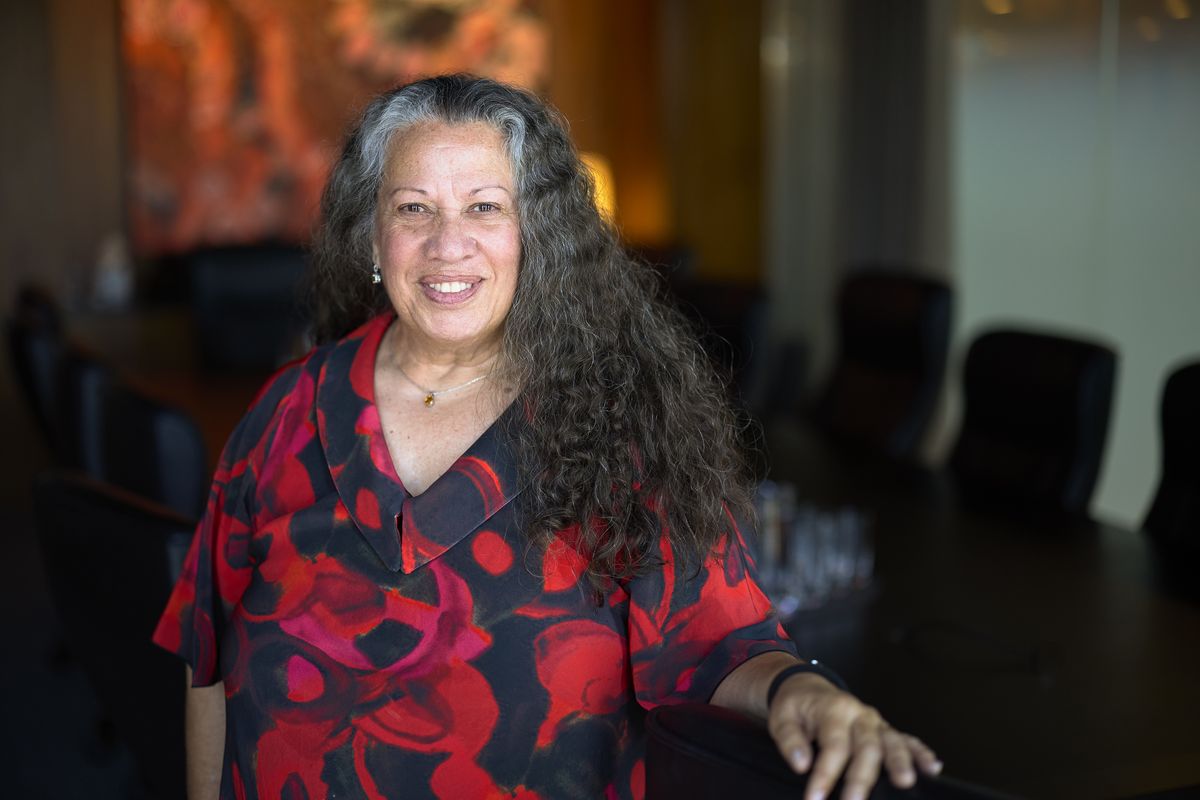
Colleen Hayward AM
Colleen Hayward's appointment as an independent non-executive director at Mineral Resources (MinRes) is more than just a boardroom position, it's a testament to the company's commitment to meaningful Indigenous engagement and leadership.
As a highly respected Noongar Elder from Western Australia with extensive experience across health, education, and community development, Hayward brings a unique and invaluable perspective to the operations of Mineral Resources.
Throughout her life, Hayward has been resolute about the importance of authentic engagement with Aboriginal people.
"Every bit of business that happens in this country happens on Aboriginal land," she points out, underscoring the need for businesses to recognise and respect this reality by engaging meaningfully with traditional owners and Indigenous communities.
This mission is evident in MinRes' procurement strategy, which has seen an extraordinary increase in spending with Indigenous-owned businesses.
From just $2.6m in FY21, the company's engagement skyrocketed to $68m in FY24, benefiting 44 Indigenous businesses.
This growth is not just about meeting targets; it's about fostering real, sustainable economic development.
"It's not procurement for procurement's sake," Hayward explains. "It's about partnering with the most capable individuals to deliver the services we require."
MinRes' approach goes beyond transactional relationships, with a range of program in place to support Indigenous businesses through initiatives such as Business Startup Grants, tailored finance solutions through dedicated finance facilities, and in-house support for business set-up and sustainable growth.
The impact of these efforts is perhaps best illustrated by the personal stories that emerge from MinRes' collaborations. Hayward shares one particularly inspiring example: "I was at a lunch recently, and there were a couple of the traditional owners there … and they were over the moon in terms of their personal experience. In 10 months, because of their engagement with MinRes they were buying their own house, and they had never been able to do that before."
This story, one of many, underscores the transformative potential of MinRes' strategic support for Indigenous businesses, enabling them to achieve economic stability and growth in ways that have a profound impact on the broader community.
Despite these achievements, Hayward acknowledges that there is still a long way to go, particularly in increasing Indigenous representation at the highest levels in corporate Australia.
Currently, there are only four Indigenous directors on ASX 300 boards. This figure starkly contrasts with the increased public sentiment calling for greater Indigenous involvement.
"People don't know the skills and expertise that we can bring … and when you don't know, you get a bit scared. Fear breeds paralysis. But it's actually time, in this country, for everyone to be a bit brave," she says.
It's clear that companies like MinRes continue to make bold steps to address this disparity across the country, and in so doing not only enhance their own governance and community engagement but also lead by example for others to follow. Hayward's leadership at MinRes serves as a powerful reminder of what can be achieved when Indigenous voices are not just included but are actively shaping the future of corporate Australia.
Gordon Cole
Noongar man and Cole Supplies chief executive Gordon Cole has a strong entrepreneurial spirit that has led him to work across various industries within the Indigenous business sector. Since co-founding the Indigenous-owned wholesaler in 2013, specialising in workwear, safety, health, medical and industrial products, Cole has held key roles, including board director at First Australians Capital and chair of the Noongar Chamber of Commerce and Industry.
He describes the Indigenous business sector as vibrant, healthy and on an unprecedented growth trajectory. "I've really enjoyed my time in business
and have started to explore further opportunities for our sector in business, trade and investment, where we aim to scale up and become greater participants in the economy."
Wayne Bergmann
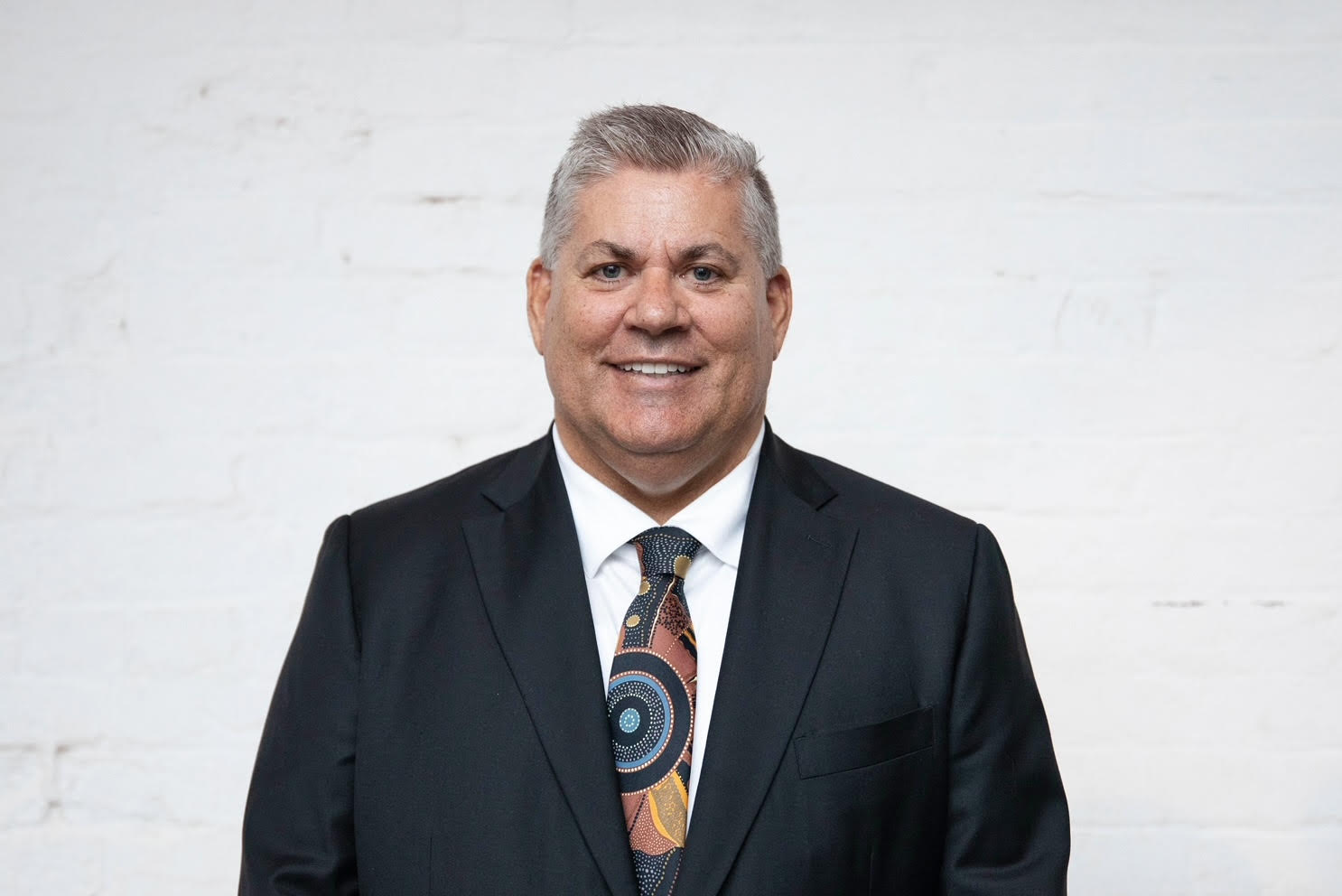
Wayne Bergmann is the managing director of Leedal Pty Ltd, where he focuses on fostering economic independence and opportunities for Aboriginal communities in the Kimberley region. He previously served as the CEO of the Kimberley Land Council, negotiating multibillion-dollar native title agreements. He is executive chair and co-owner of the National Indigenous Times, and Professor of Practice at the University of NSW.
A published author, Bergmann's strategic leadership has driven commercial success by advocating for Indigenous business participation, securing significant investments and facilitating partnerships that empower Aboriginal people to achieve economic self-sufficiency.
"All my life in business I have been told 'you can't do that', such as with the National Indigenous Times. To see the things that I've put effort into, in the Indigenous space, where it has failed in the past, and to see it become successful, has become an incredible feeling to make things happen that no one else believed could happen. With grit and determination you can do anything," he said.
"Business has been a single value of my whole life. Working for a living. But for the first 30 years, most of my life was about social justice and the biggest challenge was pivoting and finding the balance between that mission and being an entrepreneur."
Noel Pearson
Hailing from the Guugu Yimidhirr community of Hope Vale on the southeastern Cape York Peninsula, Noel Pearson is a prominent Indigenous lawyer, academic and activist who founded the Cape York Partnership in 2004. The non-profit organisation focuses on empowering Indigenous families and communities to pursue lives of value, freedom and prosperity. Pearson has long championed Indigenous self-determination and economic development, with a focus on tackling systemic inequalities and promoting practical solutions for community empowerment. His influential work has shaped national discussions on reconciliation, Indigenous policy reform and economic participation. Recently, Pearson was appointed to the board of Fortescue Metals Group, further extending his influence into corporate leadership and the resource sector.
Amanda Healy
Under Amanda Healy's leadership, Warrikal has become one of Australia's most successful Indigenous-owned engineering companies, providing significant employment and training opportunities for Indigenous people in the resources sector.
Simultaneously, as CEO of Kirrikin, she champions Indigenous artists by transforming their works into globally recognised fashion statements, bridging culture and commerce.
Healy has spoken extensively about her leadership journey, and the impact she aims to make through her businesses. Reflecting on her early career in the mining industry, she notes she had to be tough to succeed in a male-dominated environment, but she has always focused on building strong relationships with both employees and traditional owners. She emphasises the importance of leading by example and leveraging entrepreneurship to support Indigenous artists and communities, such as through Kirrikin, her luxury fashion brand that returns profits to the artists and supports small Indigenous businesses.
At Warrikal, Healy aims to provide opportunities for Indigenous workers and has grown the company to a significant size with a diverse workforce. She acknowledges the challenges in achieving a 20 per cent Indigenous workforce target but remains committed to expanding opportunities for Indigenous participation in the industry. Healy is also passionate about using her platform to address the lack of generational wealth among Indigenous communities, a challenge she has personally faced and strives to overcome through her business ventures.
Amanda is clear on the future when it comes to Indigenous business leaders: "We need to have a bigger say in it and we're never going to get there unless we are taken seriously, unless people start to see us functioning and operating at the highest possible level, and understand that we're just as smart as everyone."
Ben Wyatt
Renowned as the first Indigenous treasurer (WA) for any Australian state or territory and the first Indigenous person appointed to the board of an ASX-200 company, Yamatji man Ben Wyatt continues to be a significant force in economic reforms and fiscal management. Speaking on the positive growth within the Indigenous business landscape, Wyatt highlights the increasing opportunity for Indigenous entrepreneurs. In his current role as an independent non-executive director on the boards of Rio Tinto and Woodside Energy, he emphasises that the resources sector can play a pivotal role by ensuring Indigenous communities are included in economic opportunities through partnerships, procurement and investment in Indigenous-owned businesses.
Mike Westerman
Glencore Copper industrial lead Mike Westerman oversees a global workforce of 30,000 employees. His formative years growing up on sheep and cattle stations, combined with his education in the Tom Price community in the Pilbara, gave him a first-hand introduction to the mining industry and shaped his leadership style. Drawing on his rural and Indigenous heritage, Westerman emphasises the importance of fostering strong relationships at both grassroots and corporate levels. In discussing the First Nations business landscape, he highlights that true success lies in the ability to add value and deliver tangible results, affirming that dedication and effectiveness can drive achievement in any endeavour.
"My career has involved a fair bit of sacrifice, including living in places others wouldn't and taking on responsibilities others didn't want. There have also been some risks involved, such as moving to new locations or taking on challenging jobs. And, of course, a bit of luck – being in the right place at the right time and showing up when needed."
Daniel Tucker AM
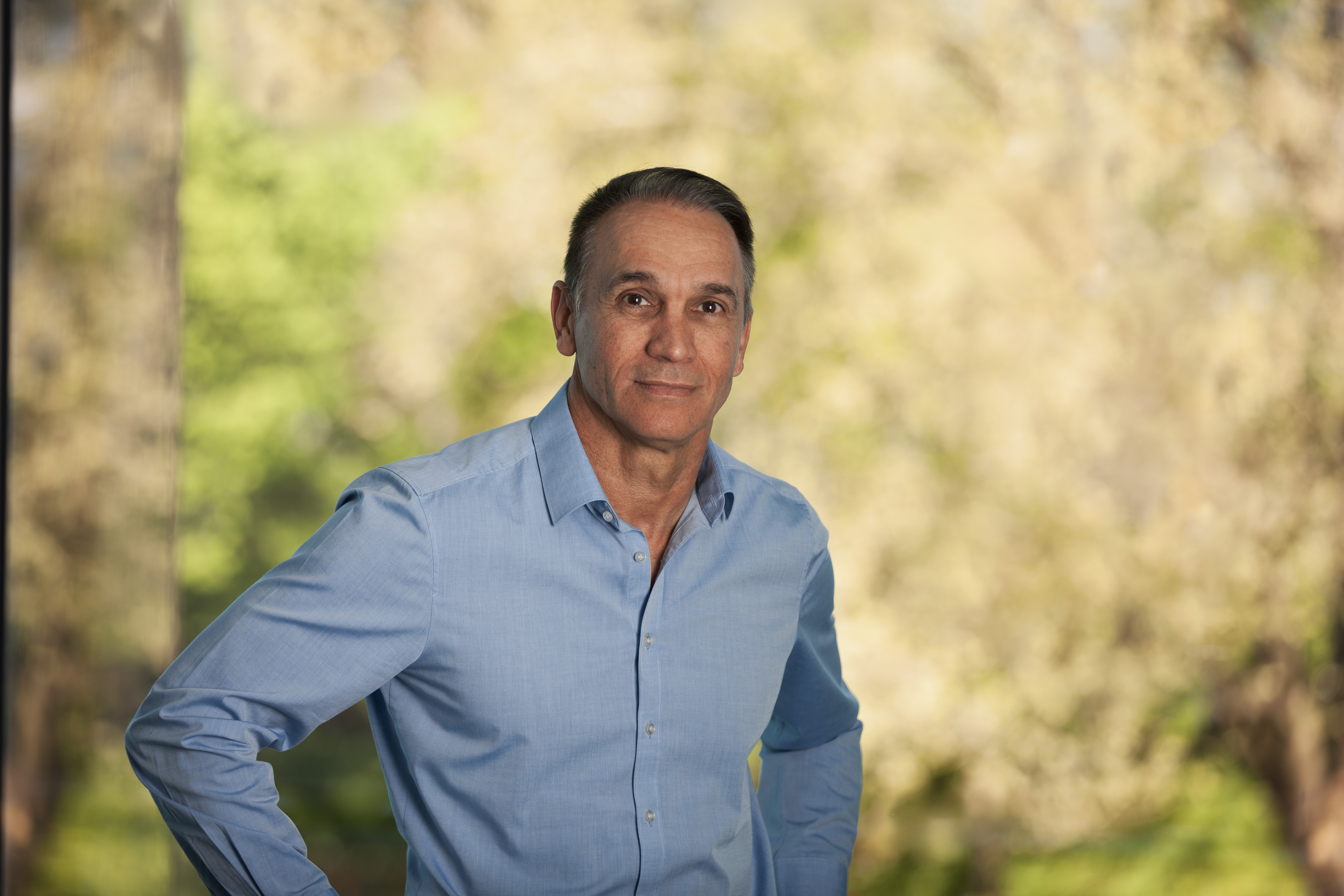
Wongatha and Mirning man Daniel Tucker AM founded and sits at the helm of Carey Group, a First Nations mining, construction and training company, as its managing director. With more than 30 years of experience in the mining industry and a background in senior executive roles within ASX-listed companies, Tucker established the Carey Education Trust in 2007 to support Aboriginal education. Honoured with an Order of Australia Medal in 2020, he is a prominent champion for reconciliation, cultural preservation and community development. Tucker continues to advocate for greater investment in Indigenous-led education and the need to address systemic inequalities within Indigenous communities.
Adam Goodes
Former AFL legend, two-time premiership winner and dual Brownlow Medallist Adam Goodes is a proud Adnyamathanha and Narungga man, celebrated for his contributions both on and off the field. Known for his strong advocacy for Indigenous rights and anti-racism efforts, Goodes has shifted his focus to community work since retiring from football. In 2009, he co-founded the GO Foundation, which supports Indigenous youth through education initiatives. Goodes believes education is the key to a better future, which inspired the foundation's launch.
Sharna Collard
Balladong and Wilmen woman Sharna Collard's leadership journey began in 2015 with the launch of Australia's first Indigenous-led and owned fleet company, Kooya. As the current chief executive, Collard reflects on the family-run enterprise's mission to address the critical need for Indigenous-owned businesses in the fleet sector.
"We diversified into the fleet sector with Kooya because there were no other Aboriginal businesses in this space. Recognising this untapped market gave us the confidence to fulfil this need," she explains.
Collard, alongside her father Kim, who initially served as chief executive before transitioning to chair, have been instrumental in driving the company's growth. Starting as fleet manager, Collard quickly showcased her potential, advancing to general manager in 2018 and assuming the top role a year later.
"I've grown with the business and now understand every facet of it," she says.
"'The importance of Aboriginal leadership in business cannot be overstated. While Aboriginal ownership is crucial, effective management and leadership are essential for maintaining the company's cultural integrity."
Reflecting on Kooya's early challenges, Collard admits it wasn't an easy start.
"I don't mind admitting it was certainly trying," she says.
"There was some hesitance from businesses to engage with Kooya because we are in the professional and financial services sectors, where Aboriginal businesses are under-represented."
Despite these initial obstacles, Kooya quickly established itself in the market.
"Kooya has stood the test of time, and now, looking at our customer base, we have a series of blue-chip clients, including Fortescue, BHP, Telstra and Chevron," Collard says.
Fortescue began its partnership with Kooya in 2018, initially leasing services for 34 assets on a single mine site. At the end of last year, the contract was renewed and expanded to include 110 electric Tuatara Ultra Terrain Vehicles for Fortescue's Pilbara sites. Kooya now manages leasing activities across three mine sites for Fortescue: Solomon, Eliwana and Iron Bridge.
"The key to the success between Kooya and Fortescue has been incremental growth. It began as a small opportunity, which required Kooya to prove our worth by providing excellent customer service and be competitive, as is often the case in business," Collard says.
She highlights that the partnership is built on a shared mission to drive Fortescue's decarbonisation goals.
"There is a strong synergy and alignment between First Nation businesses and our commitment to decarbonisation. Over the past 12 months, we executed the exclusive master decarbonisation contract with Fortescue, allowing us to work closely with them towards their decarbonisation objectives."

Beyond business, Collard's leadership is deeply connected to social impact. The Bibbulmun Fund, established in 2014, channels 5 per cent of Kooya's net profits into community initiatives. The fund supports leadership and entrepreneurship programs and contributes to health initiatives such as the Purple House Foundation's renal dialysis support.
"A crucial aspect of Kooya's offering is its focus on the Aboriginal social impact. My dad and I and many Aboriginal people/individuals recognise that governance is rooted in reciprocity and giving back. To embody this principle, we established the Bibbulmun Fund to support and contribute to our communities," she says.
Reflecting on her journey so far, Collard expresses pride in what she's achieved.
"As a proud Aboriginal woman in a male-dominated field, I take great pride in my role as a leader. I strive to create change and lead by example, demonstrating the impact of Aboriginal leadership in driving progress and inspiring others," she says.