



Right now, one issue is hitting everyone, from filling up at the bowser to running a business, fuel and its rising cost.
At its simplest, fuel prices are rising because global supply is under pressure.
A large portion of the world's oil moves through key shipping routes in the Middle East. When conflict escalates in those regions, particularly around major corridors like the Strait of Hormuz, it creates uncertainty. Ships are delayed, insurance costs rise, and in some cases routes are avoided altogether.
That uncertainty drives up global oil prices, and despite its vast energy resources, Australia imports most of its refined fuel. So when global prices rise, we feel it almost immediately.
That is why when you pull up at the servo, the price on the board keeps climbing. Cost of living pressures are already being felt across the country, and rising fuel prices are only compounding the strain on households and businesses.
For most households, higher fuel prices mean tighter budgets. For Indigenous businesses in the resources sector, it goes much further. Fuel is not just a line item on the P&L, it is a core input, and for the Indigenous Businesses in the resource sector we are talking large quantities.
It powers machinery on site, it keeps vehicles moving across vast distances, it drives generators in remote operations. It underpins logistics, freight, and supply chains.
When fuel prices spike, every part of the operation becomes more expensive overnight.
For many of the Indigenous Businesses that are a part of AEMEE's network, particularly those operating in remote and regional areas, there is no alternative. You cannot simply cut back or switch providers. The work still needs to get done.
Kira Seeley, Managing Director of WRL Shipping, sees this firsthand.
WRL Shipping is an Indigenous owned logistics and freight company specialising in moving heavy machinery, equipment, and oversized cargo across Australia and internationally. They are seeing increased shipping costs, longer transit times, and the added complexity of navigating global conflict zones, particularly through the Middle East. Routes that once straightforward now came with risk, delays, and higher insurance premiums.
As Seeley explains:
"From a logistics perspective, fuel volatility is not just a line item increase, it fundamentally shifts how projects are priced, planned and delivered. What we are seeing is a layering effect, with higher bunker costs, disrupted schedules, congestion, and rising insurance premiums compounding simultaneously.
This is unlikely to stabilise in the short term. Greater transparency in fuel mechanisms, more flexible contracting models, and a clearer recognition of regional cost realities will be critical. Indigenous businesses are delivering essential capability across the resources sector. Ensuring they are not disproportionately exposed to global volatility is not just a commercial issue, it is a sustainability issue for the sector as a whole."
For businesses relying on the timely movement of equipment into projects, those delays and added costs can have serious consequences.
Derek Flucker, Managing Director of RBY Projects and Chairperson of AEMEE, is seeing the pressure build on the ground.
RBY Projects is an Indigenous owned civil and construction company delivering works across the resources and infrastructure sectors, often in regional and remote locations.
He puts it simply:
"When fuel goes up, everything goes up. Mobilising crews, running plant, transporting materials. There's no part of our operation that isn't impacted. You're either absorbing those costs or trying to pass them on in a market that's already tight."
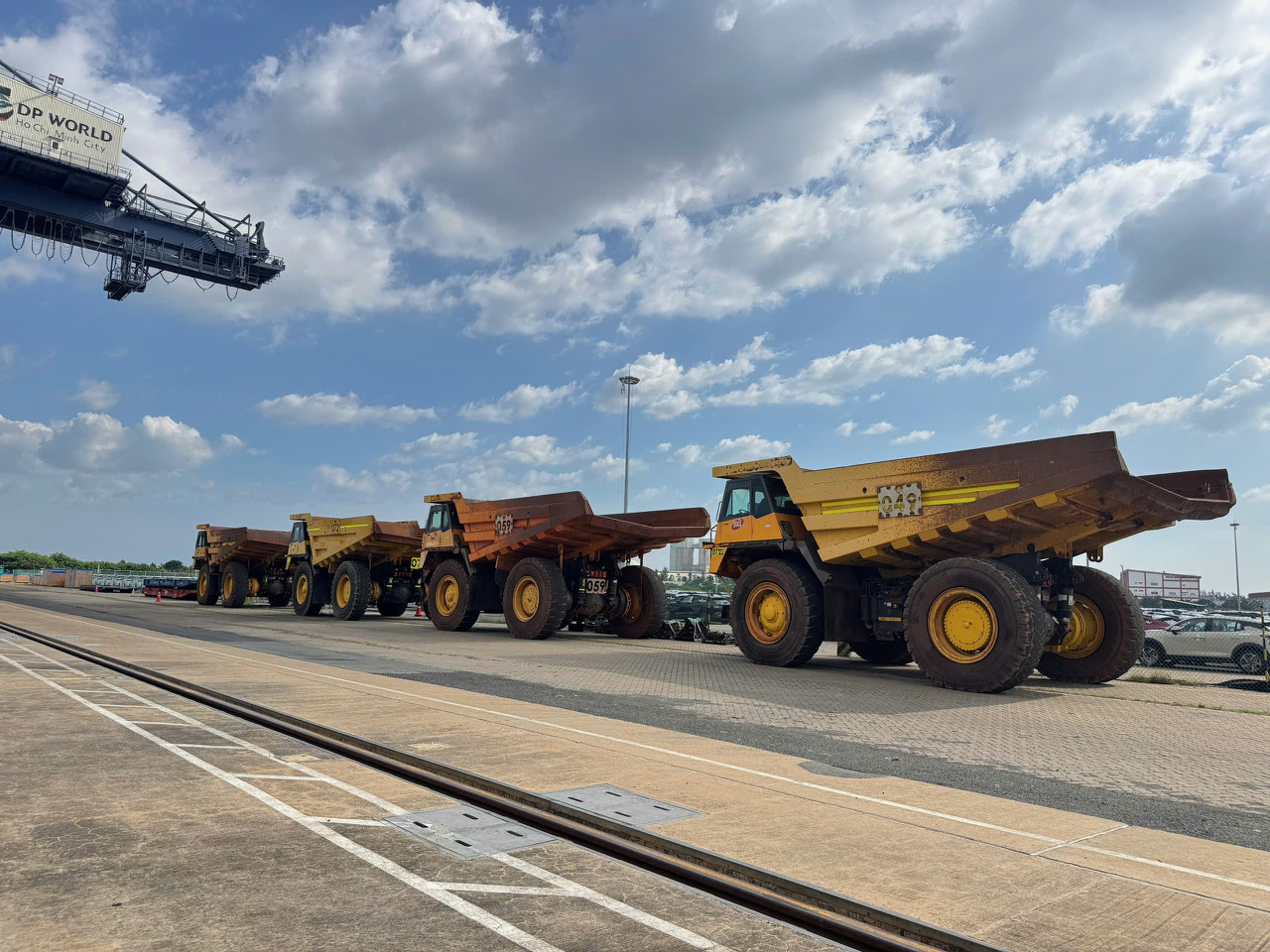
For businesses like RBY, margins are already under pressure. Sudden increases in fuel costs can quickly shift a project from viable to challenging.
This is not a short term issue. Global instability, supply chain pressure, and Australia's reliance on imported fuel mean volatility is likely to continue.
For everyday Australians, that means continued pressure at the bowser. For Indigenous businesses, particularly those in the resources sector, it means ongoing cost pressures that directly impact growth, sustainability, and opportunity.
Indigenous businesses are playing an increasingly important role in Australia's resources sector.
They are building capability, creating jobs, and driving economic outcomes for communities across the country. But like all businesses, they are exposed to global forces that are often outside their control. Understanding those forces is important. Because what happens on the other side of the world does not stay there.
It shows up here, on country, on site, and at the bowser. Global fuel markets remain uncertain, and their impacts will continue to flow through to households and Indigenous businesses. Watch this space.
Jyi Lawton is a Bidjara man and the CEO of AEMEE (Aboriginal Enterprises in Mining Energy and Exploration), an Indigenous led industry body representing Indigenous businesses across Australia's resources sector.