



The evolution of one of Western Australia's major Indigenous-owned operations, Leedal Group, showcases how a strong community vision and perseverance can create lasting impacts.
As trustee for the Fitzroy Crossing Trust, Leedal Group, led by chairman Patrick Green, drives economic development across six Indigenous communities in the Fitzroy Valley.
Every cent Leedal earns is reinvested into initiatives such as subsidising staple foods at the Tarunda IGA and providing administrative support for local businesses.
"Our vision is to support the Fitzroy region's economic development so members of the six beneficiary communities, and others, can look forward to a better quality of life," said Mr. Green.
Founded in 1989 with a loan from the Aboriginal Development Commission, Mr. Green's guiding principles remain increasing Indigenous employment, developing the region's economic base, and introducing social initiatives for youth.
A Bunuba man from Fitzroy Crossing, Mr. Green has long been a respected figure, connecting industry, government, and local communities.
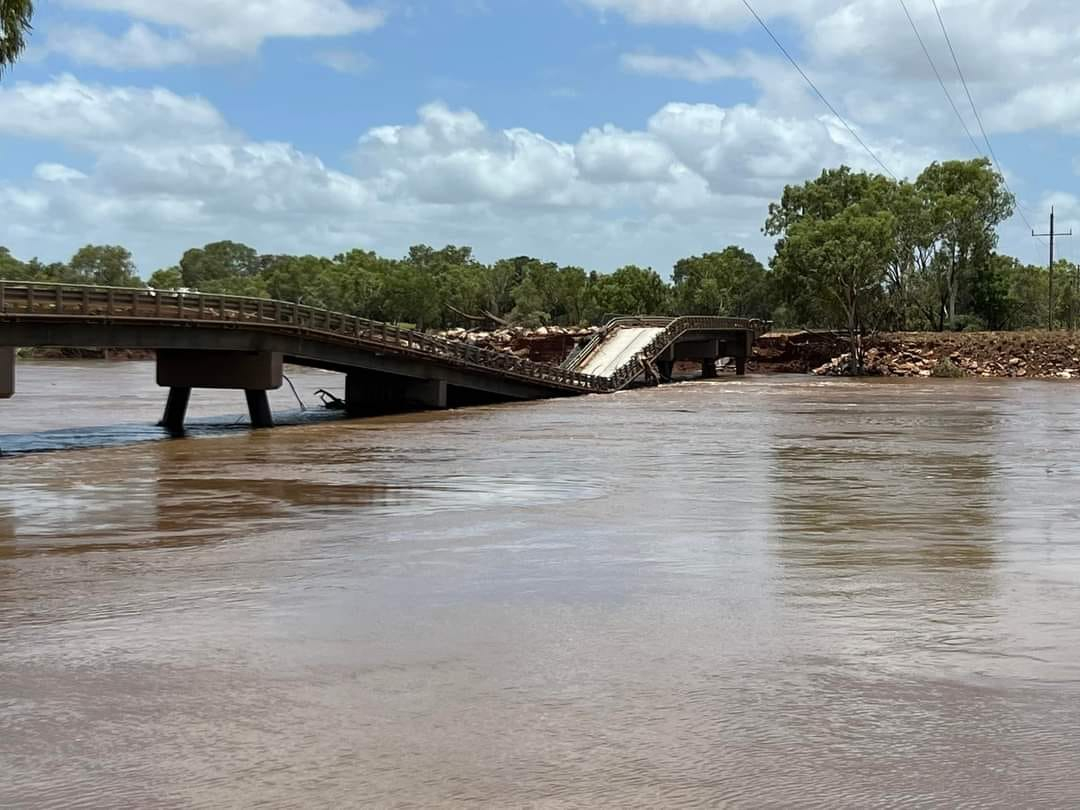
Leedal operates five businesses in Fitzroy Crossing, including rental properties, and funds employment training, youth empowerment, and welfare programs. When devastating floods hit Fitzroy Valley in early 2023, Leedal worked with emergency services to distribute food and essentials, raising $600,000 in donations and leading efforts to support displaced residents.
The company's commitment to youth empowerment is evident in its support of Marra Worra Worra's popular youth centre, which WA Police credited with a 43 per cent reduction in offending in Fitzroy Crossing during its first month of operation.
Reflecting on his roots, Mr. Green shared how his upbringing in Fitzroy Crossing and his journey shaped his vision for his people.
He grew up on Bunuba Country, sharing the region with the Wangkatjungka, Walmajarri, Gooniyandi, and Nyikina people. After leaving home, he pursued an associate diploma in community development in Adelaide, driven by a desire to bring change to his community.
"I put in for a study grant, lived in Adelaide for two years, and thought I could take on the world after doing a little bit of study," he said. However, during a job interview in Alice Springs, he was told, "Your people need you."
That moment resonated deeply. "I hopped in my car with whatever little fuel I had and trundled back home to Fitzroy Valley," he recalled. Upon returning, Mr. Green began to see the struggles his community faced, particularly at the local supermarket and Crossing Inn, where alcohol flowed freely from early morning until midnight, and the store operated out of a tin shed.
"I said, 'Maybe we need to take control so we can have control,'" he explained.
Leedal's early days were marked by efforts to improve access to essential goods and reduce alcohol dependency. "When we took on the supermarket, we said we'd sell goods that benefit our members and subsidise staple diets. I see the struggles of my members, and I know what those subsidies do to help them manage and live."
Leedal's resilience shone during crises. Despite setbacks during the COVID-19 pandemic, its Fitzroy River Lodge transformed into a hub for rescue workers, housing over 100 volunteers and supporting emergency response efforts. The floods of 2023 further tested the organisation, but Leedal emerged as a beacon of hope, rebuilding stronger for the future.
Indigenous Business Australia, which supported Leedal's growth, praised its sound management and the significant assets held for the six Indigenous communities it serves. Former Kimberley MLA Carol Martin highlighted Leedal's critical role in the region's prosperity, saying, "Leedal continues to drive economic development in Fitzroy Valley through tourism and investment in local people."
Reflecting on his journey, Mr. Green credits his commitment to his people and their welfare. "At the end of the day, I live in the community. I know the struggles, and I feel for them," he said. His story is one of perseverance, rooted in a deep connection to his people and a vision for a better future.