




By the time power was finally restored to the Dampier Peninsula community of Djarindjin in April 2025, the damage had already been done.
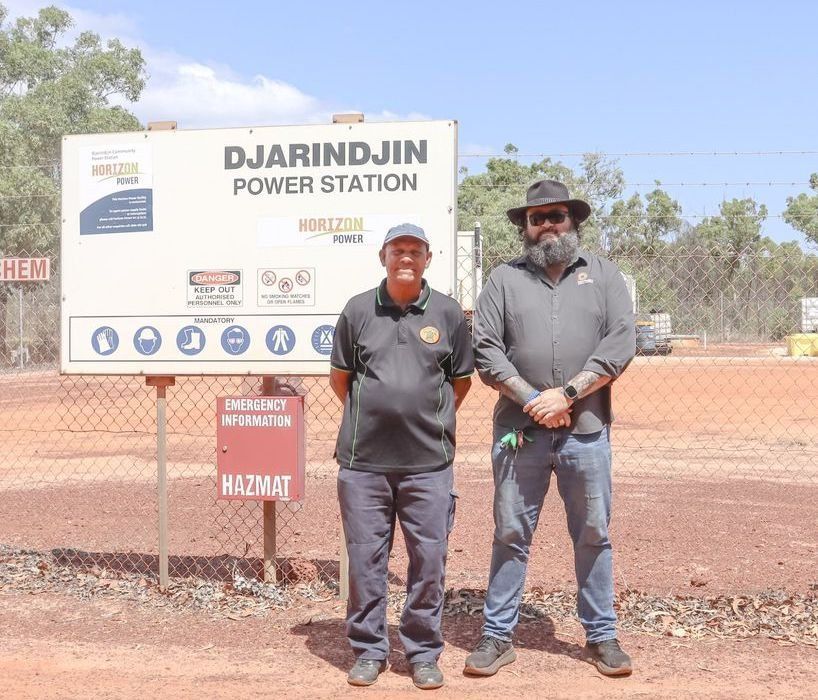
For four days, as a tropical system tracked towards the West Kimberley coast, the community's diesel power station failed. Homes were left without electricity in oppressive heat and humidity. The local clinic was forced to operate without power. Water pumps stopped. Refrigeration failed. Elders reliant on medical equipment were placed at risk without adequate protections in place.
With technicians flown in from Perth, repairs took days, not hours, a familiar reality for remote communities at the far end of ageing infrastructure networks. Community members were told by State-Controlled electricity provider Horizon Power to put in a claim for $120 for the outage. In this community, the cost of groceries alone is closer to $1,000.
For Djarindjin Aboriginal Corporation (DAC), the crisis was not an aberration. It was confirmation of a long-standing truth.
Energy insecurity in remote Australia is not just a technical problem. It's about community control.
Djarindjin has decided it will no longer live with the consequences.
Later this decade, if plans remain on track, most of the electricity powering the communities of Djarindjin and neighbouring Lombadina will come not from diesel generators owned and operated by Horizon Power, but from a community-owned solar and battery facility known as Aalga Goolil, or Sun Turtle.
Designed to meet around 80 per cent of local electricity demand and reduce carbon emissions by more than 46,000 tonnes over 25 years, the project represents a significant infrastructure upgrade. But for DAC's leadership, its significance runs far deeper.
This is not a renewable energy project delivered to an Aboriginal community. It is an Aboriginal community delivering renewable energy.
From vulnerability to leverage
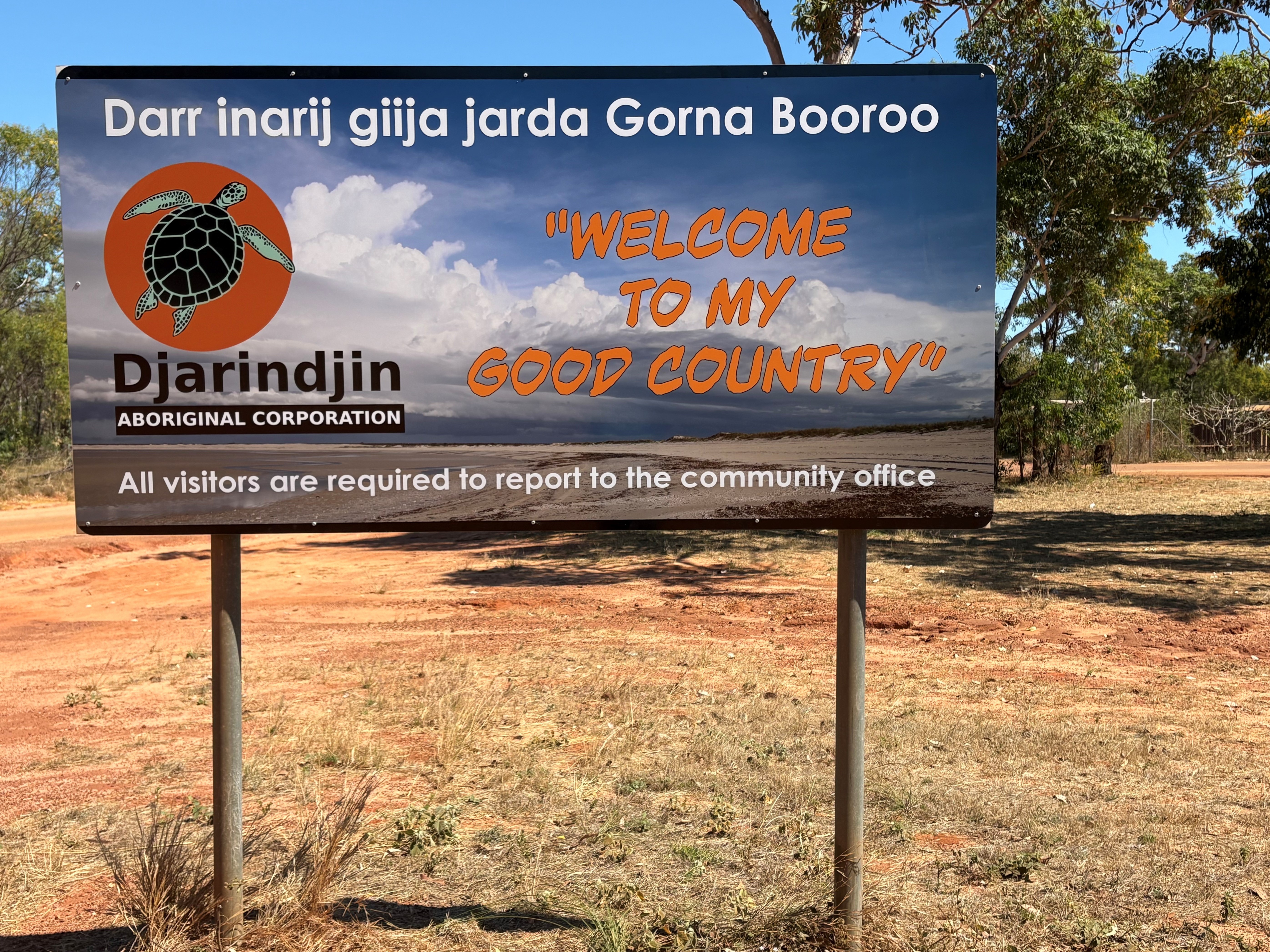
Djarindjin is home to around 400 people on the Dampier Peninsula, roughly 170 kilometres north of Broome. Governed by a 100 per cent Aboriginal board drawn from the local Bardi Jawi community, DAC has spent decades building economic capacity through enterprises including a roadhouse, campground and the Djarindjin Airport, now one of the Peninsula's largest employers of Aboriginal people.
That track record matters.
In recent years, DAC has grown from a medium to a large Aboriginal corporation, with assets exceeding $18 million. It operates complex businesses in regulated environments and has repeatedly demonstrated that remote location is not a proxy for limited capability.
Yet when it came to electricity, the community remained exposed to the same vulnerabilities experienced across remote Western Australia: frequent outages, limited local involvement in maintenance, and an infrastructure model that concentrated ownership and control elsewhere.
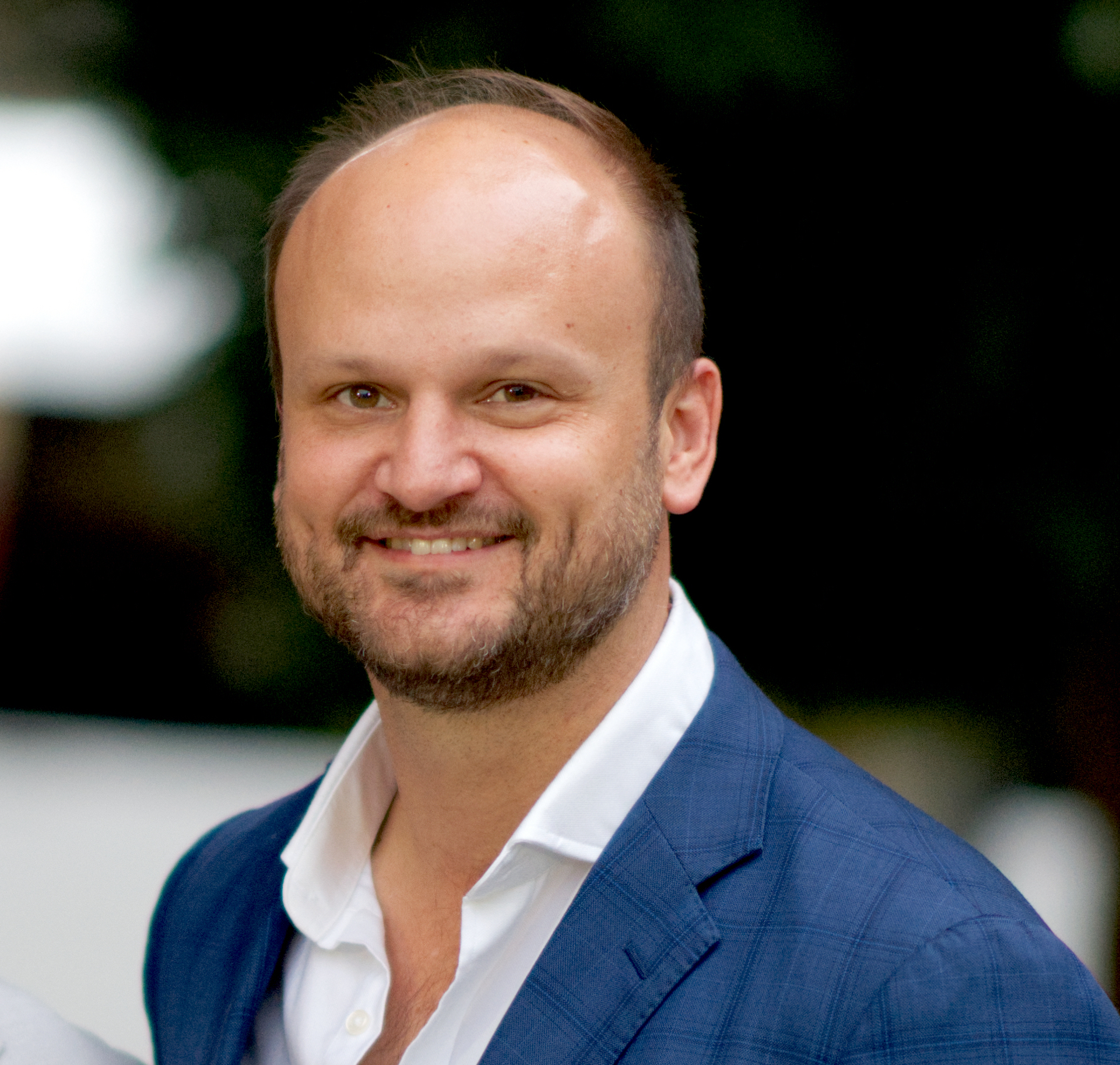
According to DAC chief executive Nathan McIvor, the April 2025 outage was a line in the sand.
"Without power, overcrowded and poorly maintained housing becomes uninhabitable," he said at the time. "People should not have to beg to keep the lights on."
When the State-owned utility began planning for the replacement of the existing diesel facility, due to reach end of life in 2027, Djarindjin made its position clear. Any future energy system would need to be community-owned.
That stance was not universally welcomed.
Remote energy procurement has long been shaped by narrow value-for-money assessments that prioritise upfront cost and operational familiarity. Diesel, subsidised through federal fuel fuel tax credits, has remained entrenched despite its volatility, emissions profile and social costs.
Djarindjin's proposal challenged those assumptions directly.
The Aalga Goolil model
Aalga Goolil is designed as a grid-forming solar photovoltaic and battery energy storage system capable of supplying the majority of local demand. Diesel generation will remain as backup, but its role will be significantly reduced, operating primarily overnight or during periods of low solar output.
Crucially, the facility will be owned and operated by a wholly owned DAC subsidiary, Aalga Goolil Djarindjin Community Power Pty Ltd. Electricity generated by the system will be sold wholesale into the local microgrid under a power purchase agreement, positioning the community not as a passive customer but as an energy producer.
From an economic perspective, the model reframes energy from a cost centre into a revenue stream.
Funds generated through electricity sales are intended to be reinvested into community priorities, including housing, health services, training and employment pathways. Over time, DAC expects this to reduce reliance on government transfers while strengthening local capacity to manage critical infrastructure.
The project has secured $5.1 million in conditional grant funding from the Western Australian Government's Lower Carbon Grants Program, supported by the Gorgon Joint Venture. The balance of project costs is being met through DAC's own resources and financing arrangements.
That level of self-investment is deliberate.
Djarindjin has already committed around $1 million of its own funds to project development, feasibility and approvals, and is on track to invest more as the project progresses. For McIvor and the board, this was not simply about unlocking external capital, but about demonstrating institutional seriousness.
"Community buy-in is not theoretical here," McIvor said. "We have backed ourselves because we know what is at stake."
Governance as infrastructure
One of the most significant aspects of the Aalga Goolil project is not technical, but institutional.
DAC's board retains direct accountability to community members, many of whom are also residents, employees or service users. That proximity, often characterised as a risk by external actors, is viewed by Djarindjin as a source of strength.
Decisions about energy reliability are inseparable from decisions about health, safety and wellbeing. When power fails in a remote community, the consequences are immediate and personal.
During the April outage, DAC staff mobilised emergency food, water and health support. Local knowledge filled the gaps left by distant systems. Djarindjin's COO, Desarae Sibosado, who was coordinating local efforts said: "I'm a registered nurse and have worked in the health sector in the region for many years, and I cannot understand how people who are vulnerable can be left without any support. As a Bardi Jawi person, I won't accept that our people, our Elders, should get treated this way. We deserve better, and we will do everything we can to make it better."
For DAC, owning the power system is about ensuring that those closest to the consequences are also closest to the controls.
This governance logic extends to the project's design. The solar array is laid out in the shape of a turtle, a culturally significant animal for Bardi people. Aalga Goolil is not branding. It is an assertion that infrastructure can reflect cultural authority rather than overwrite it.
Challenging the procurement orthodoxy
Djarindjin's push for ownership has required navigating procurement frameworks that were not designed with Aboriginal proponents in mind.
In submissions to government, DAC has argued that communities are too often framed as bystanders to development rather than potential proponents. Value assessments, it says, routinely exclude long-term social, economic and resilience benefits while entrenching diesel as the default solution.
These arguments are gaining traction.
As Australia accelerates its clean energy transition, Indigenous land and governance are increasingly recognised as central to project delivery. Yet ownership and control remain unevenly distributed.
Djarindjin's approach offers an alternative.
By combining community ownership with professional project delivery, it demonstrates that Indigenous-led infrastructure can meet technical, financial and governance standards while delivering outcomes conventional models struggle to achieve.
Outcomes that the State and Horizon Power promote as policy objectives, like local capability, Aboriginal empowerment, regional development, climate resilience, vibrant and financially sustainable Aboriginal communities, cannot be realised without a change in their approach.
According to Djarindjin CEO Nathan McIvor, this is all possible with communities in control and a shared commitment from the State and Horizon Power. "Aalga Goolil builds Djarindjin's table for others to sit at and shape what happens on their land, and makes renewable energy a gateway to realising outsized benefits measured in economic and social terms because the community's focus is its people and their long term future and wellbeing." he said.
A model with regional implications
The significance of Aalga Goolil extends beyond Djarindjin.
DAC is a founding member of the Kimberley Remote Aboriginal Community Leaders Network, which represents 19 large communities across the region. Knowledge sharing and replication are explicit goals.
For other remote communities facing similar challenges, the project provides a working template: how to structure ownership, engage utilities, secure capital and assert governance authority.
Nationally, it aligns with growing momentum behind Indigenous participation in the energy transition, not merely as stakeholders, but as owners and operators.
From an Indigenous Business Review perspective, Aalga Goolil sits squarely at the intersection of economic development, infrastructure ownership and institutional reform. It is a case study in how Indigenous corporations can leverage assets, governance and strategy to reshape markets historically closed to them.
Power, redefined
As construction milestones approach, Djarindjin's leaders remain clear-eyed about the work ahead. Regulatory approvals, financing and operational transition will require persistence. The project has not been easy, nor has it been cheap.
But for the community, the cost of inaction is higher.
When the Sun Turtle begins generating power, it will do more than reduce emissions or stabilise supply. It will stand as evidence that remote Aboriginal communities are not waiting to be included in Australia's energy future.
They are building it themselves.
And in doing so, Djarindjin is offering a lesson that reaches far beyond the Kimberley: when communities control their infrastructure, they control far more than electricity. They control their future.