



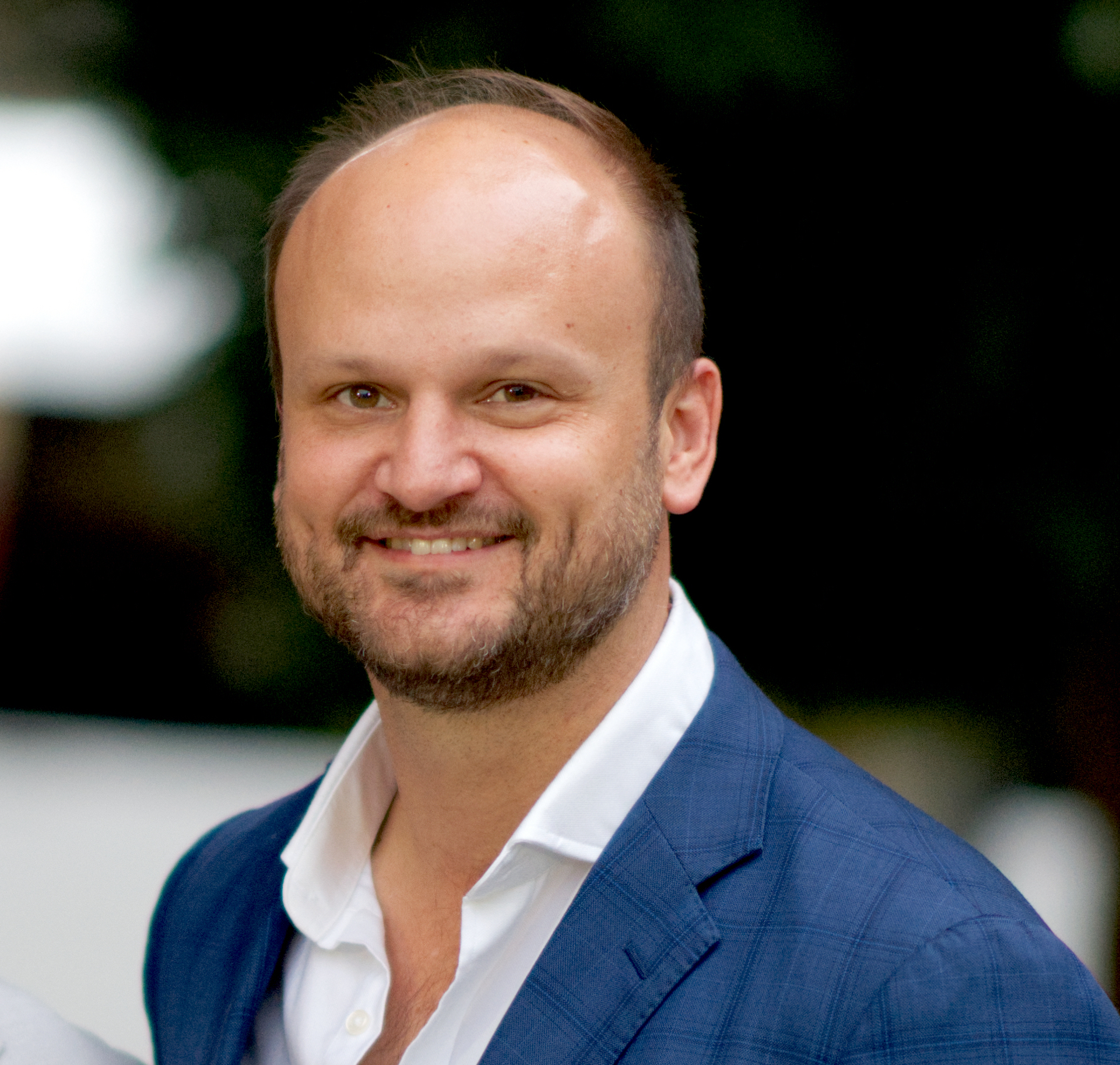

At 35, Jessie Risk has already carved out a place as one of the most dynamic business leaders in northern Australia.
A proud Larrakia woman, she is the sole owner and Managing Director of AKJ Services, a civil construction and development company that has grown from humble beginnings in 2018 to a multimillion-dollar enterprise employing over 100 people.
Her story is remarkable not only for its business success but also for the way it weaves together family, culture, and community responsibility. All this while raising five children under the age of seven.
"Being a 100 per cent Indigenous-owned company is something I'm really proud of," Risk says.
Early Years and Turning Points
Risk's path into business was not obvious. After school she completed a teaching degree and began working with middle school students, but quickly realised the classroom wasn't where she wanted to stay.
Opportunity came from an unlikely direction. At the INPEX gas plant in Darwin, she took a job as a "Peggy" - cleaning and maintaining facilities on site.
"I doubled my wage overnight pretty much," she remembers. "It was less of a headache cleaning toilets, but you do what you've got to do."
She eventually moved into store operations with a subcontractor, running painting and insulation stores. For more than four years she stuck at it, saving diligently. By the time her partner, a project engineer, was ready to strike out on his own, the couple had the funds and the determination to launch a business.
Her father's career also left an impression.
"Dad was a crane operator and always around machinery," she says.
"He had his own bobcats, he worked hard, and that rubbed off on us." When it came time to name the company, AKJ stood for Antal, Keith and Jessie - her partner, her father, and herself.
Breaking Into Construction
Starting a construction company without a track record was daunting. For the first year AKJ struggled to win tenders.
"It was a chicken-and-egg situation," Risk says.
"The government wanted to see past performance, but we couldn't get that without winning contracts."
The turning point came with the federal Indigenous Procurement Policy and Defence's estate works program, which quarantines contracts for Aboriginal businesses. In 2019 AKJ secured a $1 million road project.
"We smashed it out, delivered it, they were happy," she says.
"That was the start of everything."
From that first breakthrough the company built momentum; winning more Defence contracts, growing its staff, and establishing a reputation for reliability.
Diversifying and Expanding
Civil works remain AKJ's backbone, but diversification has been critical.
"To keep our wheels turning, we had to look outside Defence," Risk explains.
The company branched into building refurbishments on Defence bases, then modular housing contracts for the Northern Territory Government. AKJ has delivered subdivisions in remote Aboriginal communities, including Galiwin'ku, where new homes helped ease overcrowding.
"Housing is a big problem in remote communities," she says.
"We want to help solve that crisis."
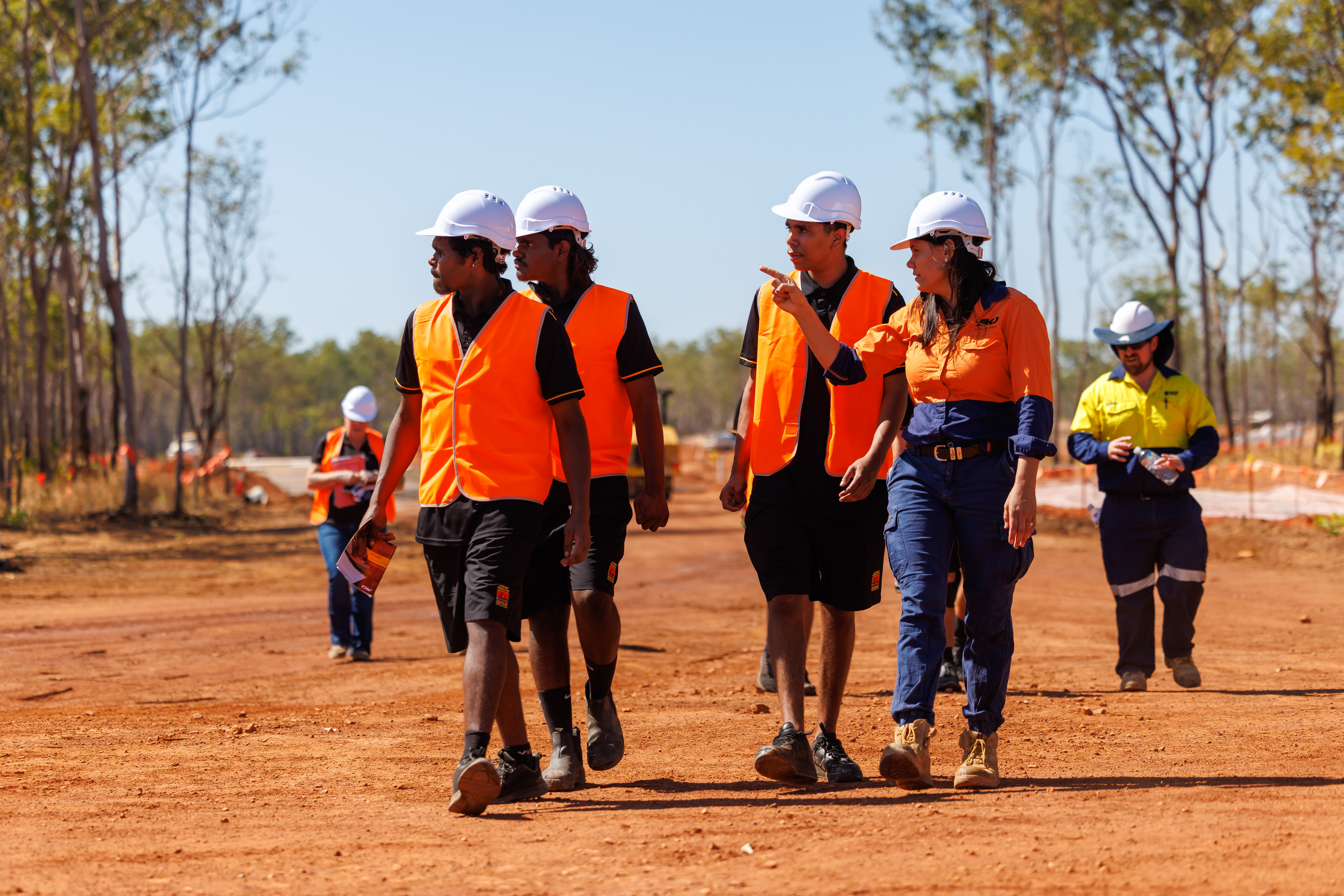
Perhaps the most ambitious step has been moving into property development. In 2023 AKJ partnered with Halkitis Brothers to develop a 46-hectare estate near Palmerston, creating more than 500 home lots.
"We've always loved doing subdivisions," she says.
"This gives us stability and a platform to train young Territorians."
The lots are priced affordably, something Jessie sees as vital.
"I'm pleased that the low cost of land will enable more people to enter the housing market," she says.
A Family Business
Risk is the only daughter in a family of six children. Remarkably, all five of her brothers now work in the company.
"I pulled one off the couch because he wasn't doing anything and said, 'Come and work'," she recalls.
With on-the-job training, her brothers became skilled machine operators. One has since launched his own contracting firm and secured a Defence contract in his own right.
"It's really great to see," she says.
This approach extends to the wider workforce. Most of AKJ's employees are permanent staff rather than casuals. That means higher risk during the wet season when work slows, but it's a commitment Jessie refuses to compromise.
"We really try our best to keep people employed," she says.
"The quality of work we produce is a testament to the people that work for us."
Women in Leadership
Construction remains male-dominated, but Risk has built a culture of inclusion. AKJ aligns with the National Association of Women in Construction and actively recruits women into the business.
"It's not a boys' club," she says. "Our managers are supportive and inclusive. The environment we have is great - women are valued here."
Her leadership has been recognised with the NAWIC Crystal Vision Award for advancing women in construction and NTIBN's Female Business Owner of the Year.
Balancing Culture and Development
Working on her own Country brings both responsibility and opportunity.
"We always treat people as family and look after one another - that includes looking after Country," she says.
On a recent road project, her brother halted work after spotting a scar tree linked to men's ceremony. The road was redesigned to go around the site.
"If we didn't have people like that in those positions, that probably wouldn't have been caught," she says.
She acknowledges the tension in construction.
"Civil construction can mean clearing land. But we make sure all the right clearances are in place. It's about balancing development with cultural respect."
Giving Back
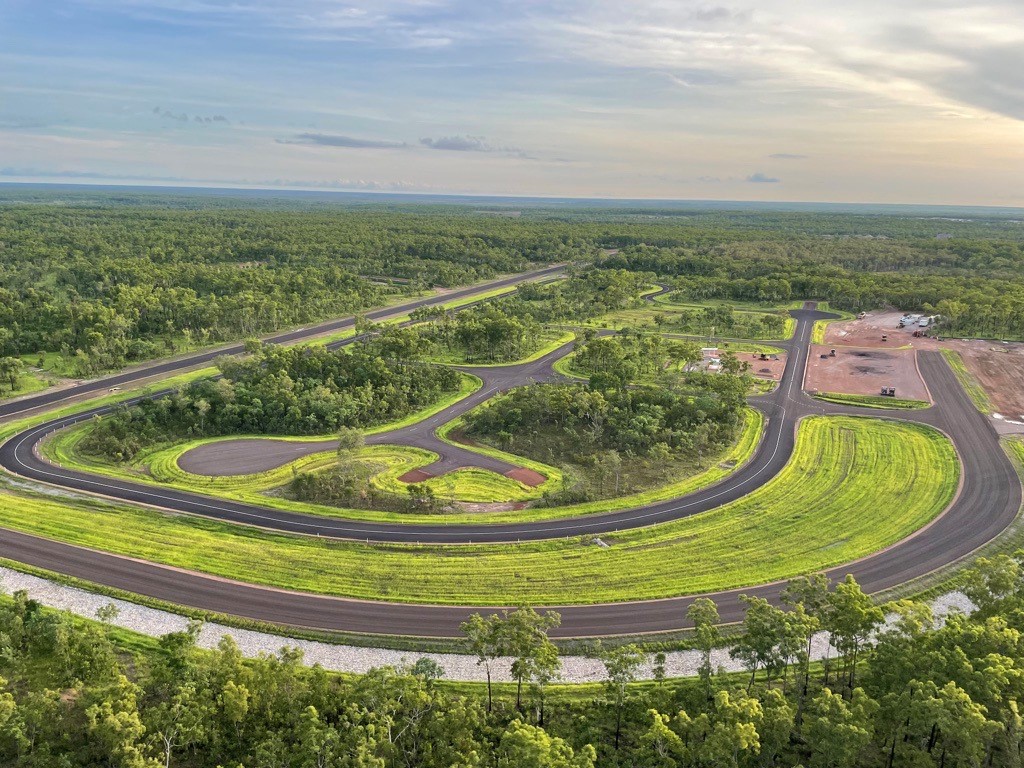
AKJ frequently contributes to community projects, such as building a Darwin playground at cost with no profit margin. Every year the company hosts a Trade Day, giving Indigenous high school students a chance to operate machinery, meet staff, and imagine careers in construction.
"Unless kids see what's possible, they won't know what opportunities exist," Risk says.
This year 130 students took part, supported by the Clontarf and Stars Foundations.
By mentoring her brothers, employing Indigenous staff, and encouraging youth, Risk ensures AKJ's impact extends beyond contracts.
"Training young people has always been one of our goals," she says.
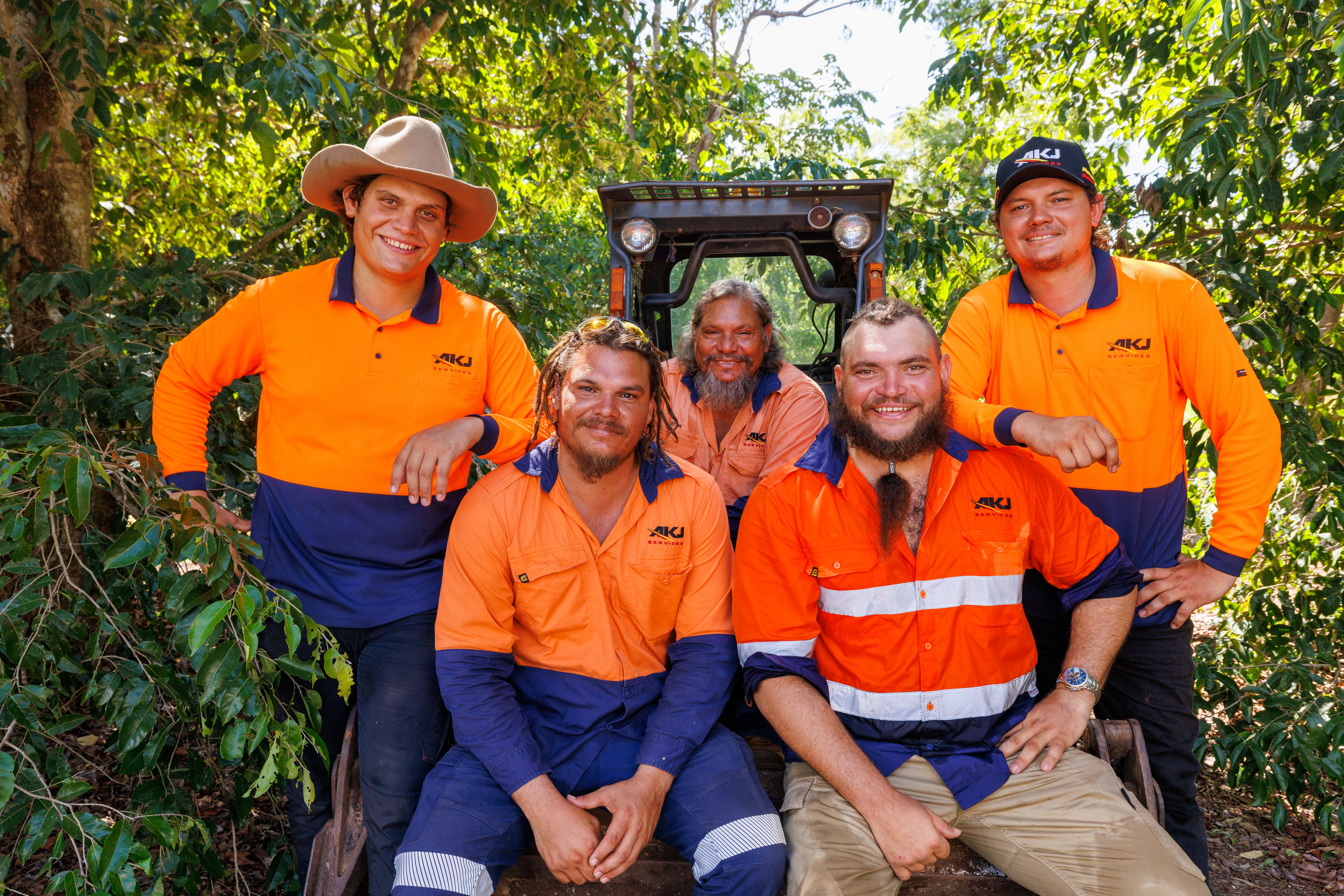
Jessie's dad Keith with her brothers Breadon, Warwick, Dylan and Jackson. Image: supplied.
Challenges and Advocacy
Success has not come easily. Financing machinery required bank loans, and the stress of meeting payroll is constant.
"The amount of stress... I'm grinding my teeth at night," she admits. Yet her conservative approach - reinvesting profits, avoiding unnecessary debt - has kept the company stable.
She is frank about the broader sector.
"Unfortunately, everyone's becoming an Indigenous business that isn't an actual Indigenous business," she says.
"And we go to tender briefings and you're seeing companies rock up in other companies' vehicles and shirts and they're chucking on a vest and they're saying they're working for this Indigenous company, you know."
For Risk, the difference between national registries and community-based chambers is clear. She believes organisations like the Northern Territory Indigenous Business Network (NTIBN) are setting the right standard by grounding their assessments in community recognition and accountability.
"The advocacy piece is massive," she says, praising NTIBN's behind-the-scenes work to defend genuine Aboriginal enterprises.
By contrast, she argues Supply Nation has fallen short.
"I think the Supply Nation should actually have a look and see what they are doing," she says.
For Risk, the answer is straightforward: "If you're interested in this industry as an Indigenous business, go out and solely be that Indigenous business. Hire the people. Invest in the company. Because I have to."
A Lasting Legacy
In 2024 Risk was named NAIDOC NT Person of the Year, recognition of both her business achievements and her community contributions. Yet she remains grounded.
"It's not glamorous, and I do lose some sleep," she admits.
However, she sees her work as creating generational change.
"We're building a business that will last generations, giving back to our community while making a difference."
From the classroom to construction sites, from five children at home to more than 100 employees in the field, Jessie Risk is proof that strong leadership grounded in culture can transform industries - and lives.