



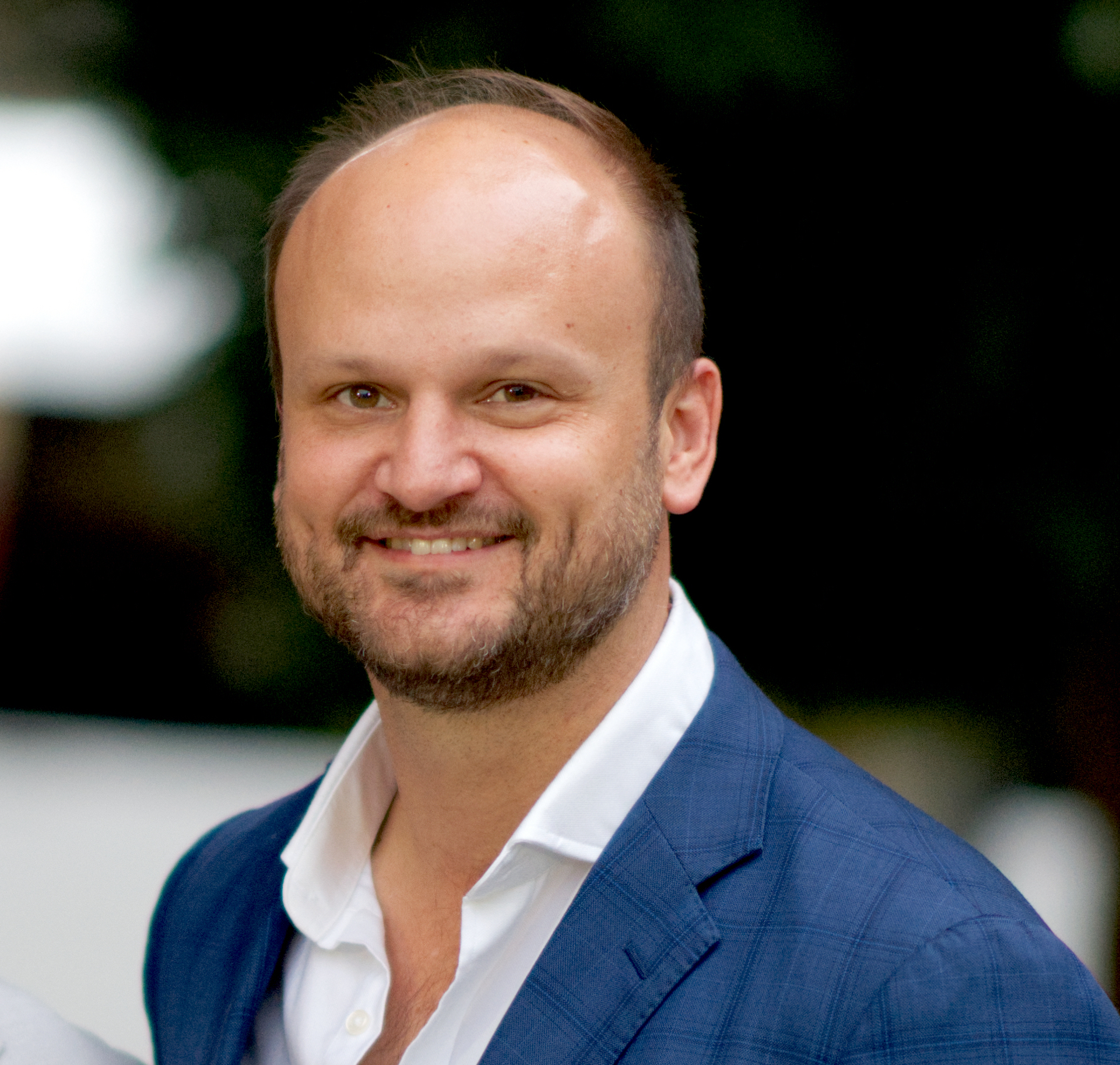

At the 2025 AEMEE Conference in Darwin, Minerals Council of Australia Principal Adviser for Indigenous Partnerships and Communities, Matt Denyer, issued a challenge which signalled a shift in national mining policy: procurement has opened the door - but true self-determination will only come through ownership.
Speaking on the second day of the conference, held under the theme Beyond Boundaries: Partnerships, Power and Prosperity, Mr Denyer told delegates that while Indigenous procurement has transformed relationships between Aboriginal enterprises and the mining sector, the next phase must be about equity and control.
"Participation alone isn't power, and visibility isn't value," he said. "If we are standing here in five years telling the same story - 'we won more contracts' - we will have failed. Because the world will have moved ahead, but Indigenous business will still be in supply-chain mode, not in ownership mode."
A sector ready for change
The Aboriginal Enterprises in Mining, Energy and Exploration (AEMEE) network, which hosted the conference, was founded to strengthen Indigenous participation across Australia's resources industries. Over the past decade it has become a key forum for Aboriginal business leaders, Traditional Owners and industry to debate how equity can replace dependency.
AEMEE Chief Executive, Jyi Lawton, has long argued that Indigenous control, not just inclusion, must define the future.
"If we can't determine how our minerals are developed and where the profits go, then we're still standing outside the gate," he said in an earlier address.
Mr Denyer's speech echoed that call from within the establishment itself - a notable statement from an organisation representing BHP, Rio Tinto, Hancock Iron Ore, South32, Glencore, Newmont and Darwin Port among others. His message was blunt: co-ownership is not charity but smart business.
Closing the gap
A Gomeroi man born on Giabal and Jarowair country and now based on Ngunnawal land, Mr Denyer joined the MCA after two decades in Indigenous policy and business development.
In his speech, he acknowledged the sector's progress. In 2024-25, Indigenous business procurement reached $5.83 billion, with mining accounting for $1.64 billion - about 28 per cent of that total. MCA members now employ 6,000 Aboriginal and Torres Strait Islander people, earning an average salary of $158,800.
Yet despite these figures, he said, the economic gap remains vast.
"We have only one Indigenous-led mine, no Indigenous-owned processing facilities, and no Indigenous capital funds capturing meaningful shares of that value," he said.
"That gap is risk, because while resource value flows, its legacy flows elsewhere."
Reform at the crossroads
Mr Denyer pointed to a series of national reforms - including reviews of the Environment Protection and Biodiversity Conservation Act, the Future Acts regime, and the Aboriginal and Torres Strait Islander Heritage Protection Act - as opportunities to anchor Indigenous equity in the resource economy.
"These reforms are not roadblocks," he said. "They are opportunities for Indigenous businesses to reap the rewards of investment and co-ownership in our mineral reserves."
The review of the Future Acts framework, he added, could shift native title from a defensive instrument into a platform for economic participation.
He also noted rising interest from Australian super funds and international financiers who see projects with cultural certainty and early Indigenous leadership as lower-risk and more investable.
Pathways to ownership
Mr Denyer outlined three pathways for Indigenous enterprises to move from contracts to capital.
First, they must hold exploration and mining titles rather than subcontract to those who do. Early collaboration, he said, mitigates heritage risk and secures value from the outset.
Second, Indigenous co-ownership in regional infrastructure - processing plants, logistics hubs and renewable systems - can lock wealth into communities.
Third, investment in governance and technical capability will make Indigenous enterprises "investment-grade" and ready to lead.
"Imagine Indigenous businesses undertaking mineral exploration," he said. "When you're exploring, you're not chasing contracts - you're building ownership."
Speaking on the first day of the conference Professor Marcia Langton AO said: "The capital exists. What we need are pathways to invest it in productive, Indigenous-led ventures."
From opportunity to equity
Mr Denyer urged governments to back co-investment through the Northern Australia Infrastructure Facility, Indigenous Business Australia and the Future Made in Australia framework rather than rely on short-term grants.
"Government agencies should work with IBA to finance Indigenous-owned assets and ensure policy supports investment-readiness and long-term capability, not just short-term buy-in," he said.
Building the legacy
Mr Denyer reminded delegates the $405 billion minerals export economy offers enormous potential if Indigenous businesses can capture even a small share through ownership.
Securing just one per cent of that value, he said, would deliver $4 billion a year in community wealth.
"From contracts to assets. From opportunity to ownership," he said. "That is how Indigenous enterprises will turn today's progress into tomorrow's intergenerational wealth."