



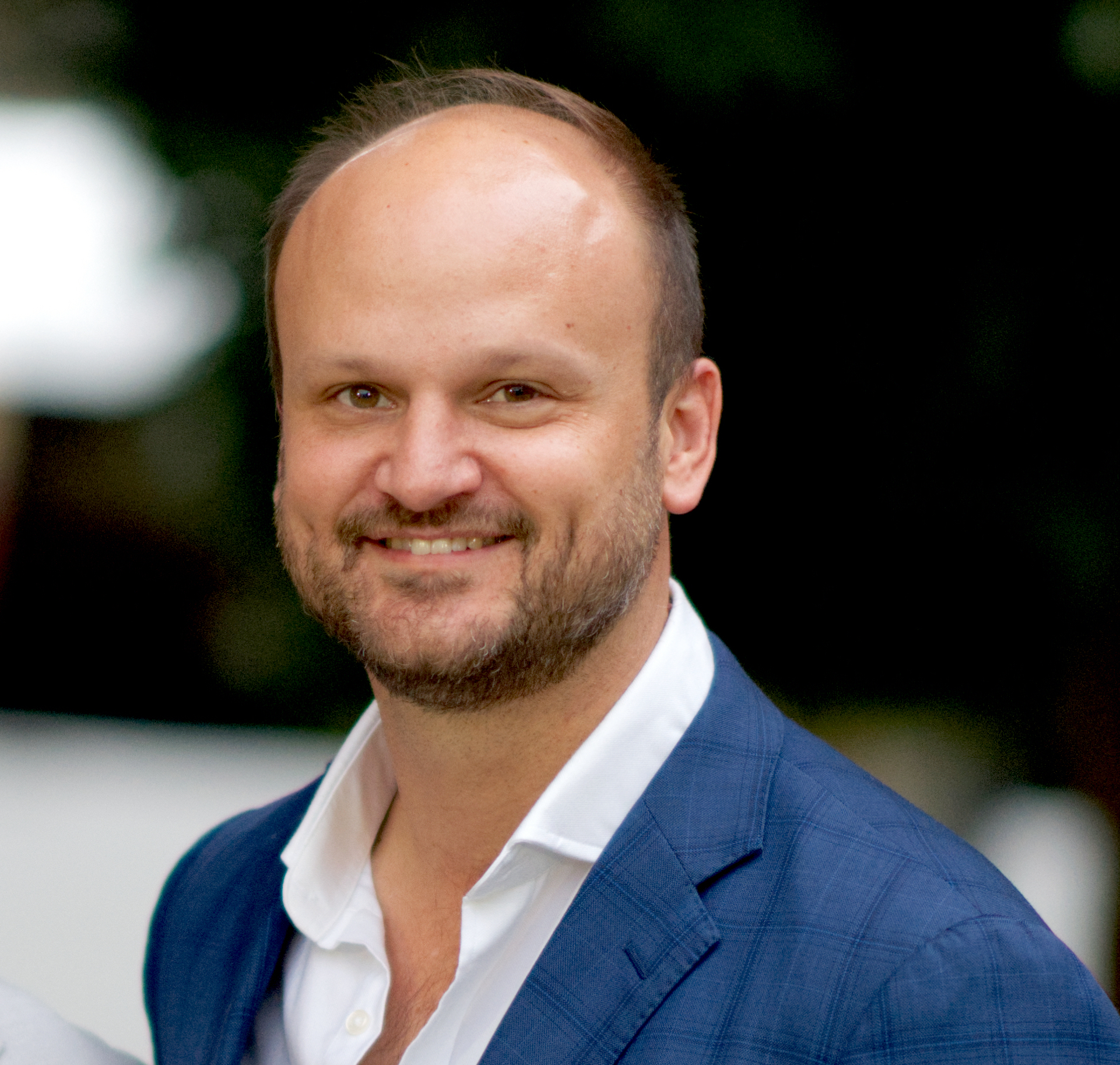

Jyi Lawton spoke with calm precision, outlining a simple truth: the resources driving global growth lie on Country, and their custodians should hold the keys.
At the Northern Territory Indigenous Business Network's Black and Bold conference on Larakia country in Darwin today, the Chief Executive Officer of Aboriginal Enterprises in Mining, Energy and Exploration (AEMEE) called for a new era of Aboriginal ownership, equity, and governance in Australia's resources and critical minerals sectors.
Lawton argued that Aboriginal people must not simply participate in the next phase of mining and clean energy expansion. They must control it. "It reminds us that being bold is not always about volume," he said. "It is about conviction, the quiet power that comes from knowing exactly where you stand and what you stand for."
AEMEE is the national Indigenous body representing Aboriginal interests in the mining, energy, and exploration sectors. It connects Traditional Owners and Indigenous businesses with major companies and governments to ensure Aboriginal communities move beyond token participation toward meaningful partnership and ownership. Under Lawton's leadership, AEMEE has become a key advocate for self-determination through enterprise, helping Indigenous people become not just employees or contractors but equity holders and decision-makers in projects developed on their lands.
From Exclusion to Empowerment
Lawton's argument is rooted in history. He recounted how his ancestors, along with thousands of other Aboriginal people, built the foundations of Australia's pastoral economy without pay or recognition.
"They were never paid, not underpaid or poorly treated in the modern industrial sense. They were not paid at all," he said. "They lived in tin shacks while breaking their backs to build an industry that still makes millions of dollars every year."
This legacy, he said, defines the present. "When we talk about Indigenous economic development, we need to remember that our starting point is not the same as everyone else's. For many families like mine, the journey began with exclusion from wages, from ownership, and from opportunity."
That exclusion, Lawton argued, makes economic empowerment essential for genuine freedom. "How can we talk about freedom in this country without talking about economic freedom?" he asked.
"Because the truth is if you do not have the means to make decisions that affect your life, your family, or your future, then you're arguably not truly free. Settling is not freedom. It's survival. And survival is not enough for our people."
A Strategic Role in the Energy Transition
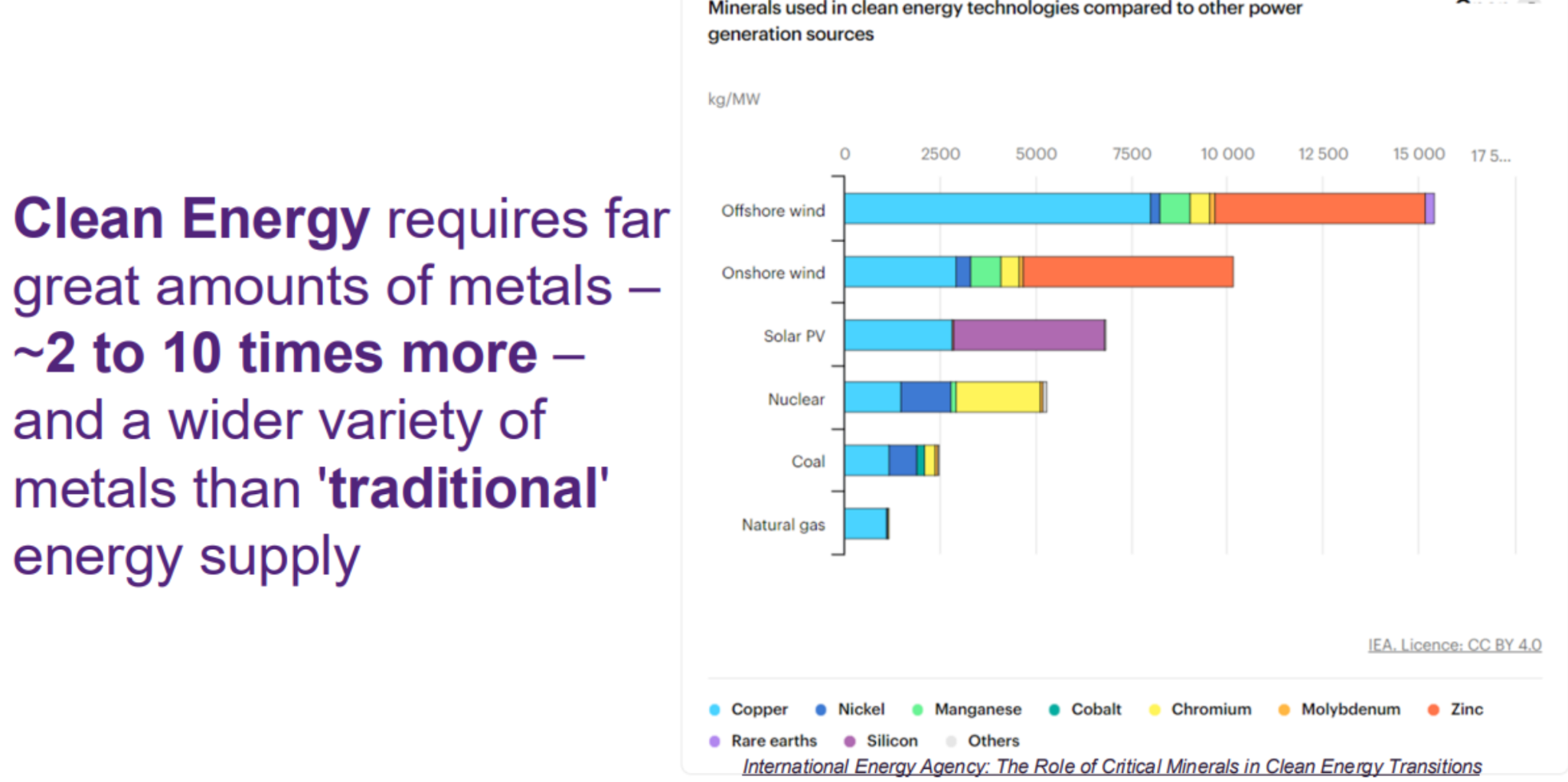
Lawton's warning was stark: the global shift to renewable energy will not end mining. It will multiply it. "The transition to renewables doesn't happen on sunlight and wind alone," he said. "It depends on minerals and large quantities of them."
Clean energy technology, he explained, requires up to ten times more metal than traditional energy systems, including copper, nickel, lithium, cobalt, and rare earths.
"So, when we talk about the clean energy transition, what we're really talking about is the largest increase in global mineral extraction in human history," he said.
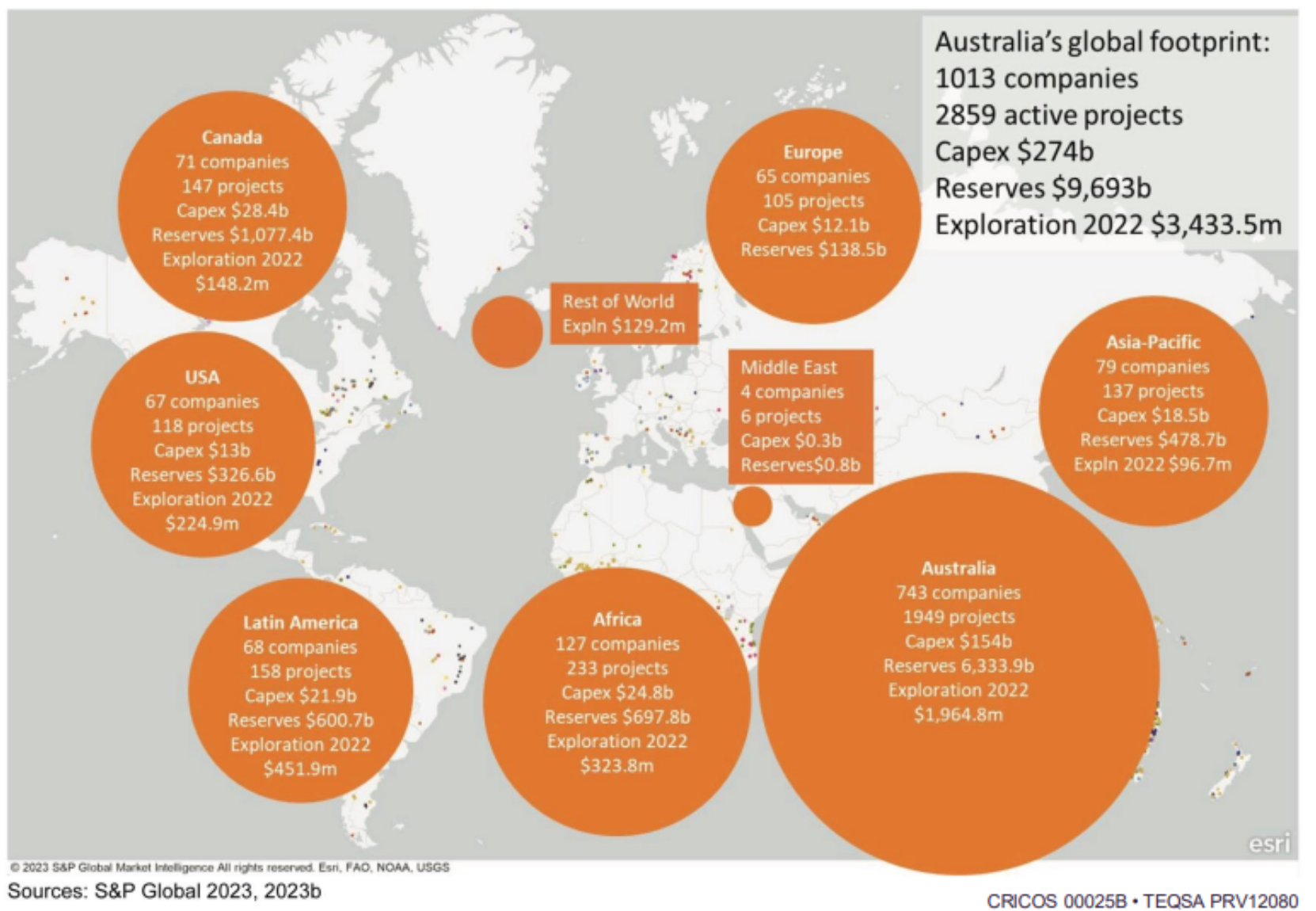
Those resources, Lawton reminded the audience, are overwhelmingly found on Aboriginal land.
"When the world says Australia's critical minerals, let's be very clear, they're talking about our Country, our water, our stories. The resources that will power the next century are sitting right under our feet."
This, he said, creates both responsibility and opportunity.
"If the world needs what comes from our Country, then our people should be the ones setting the standard, managing the risks, protecting the stories, and sharing the wealth that follows."
Lawton argued that the old model, where Traditional Owners are consulted but not in control, cannot continue.
"Opposition alone won't stop. The world still demands the minerals, the metals, the energy that comes from our land. So, we need a different kind of resistance. One that's strategic, informed, and powerful."
Being in the room, he said, does not mean compromising cultural values. "Being in the room doesn't mean selling out," he said. "It means showing up with knowledge, power, and confidence, and making sure the rules of the game change while we're playing. Because if we're not there, the mines will still open, the trucks will still roll, the profits will still flow. They just won't flow our way."
Building Capability and Governance
For Aboriginal people to lead, Lawton said, capability and governance must match ambition. Access to capital, technical knowledge, and risk management systems are essential if Indigenous organisations are to become true partners and equity holders.
"If we clicked our fingers today and got access to that capital, would we be able to manage it?" he asked. "Would we have the governance systems in place to manage the risk of that capital?"
Lawton described AEMEE's Indigenous Business Network as evidence of the progress already being made. It includes dozens of Indigenous enterprises across mining, energy, construction, and environmental services. Around 15 per cent generate more than $10 million a year, and collectively they employ more than 1,200 people.
"This is proof that Indigenous enterprise is not a small business story," Lawton said. "We're talking about strong, capable, growing businesses contributing to the national economy."
He said AEMEE's growing profile at national and international forums is helping ensure Indigenous perspectives are visible and respected in spaces where key industry decisions are made.
"Open the Doors and Be Brave"
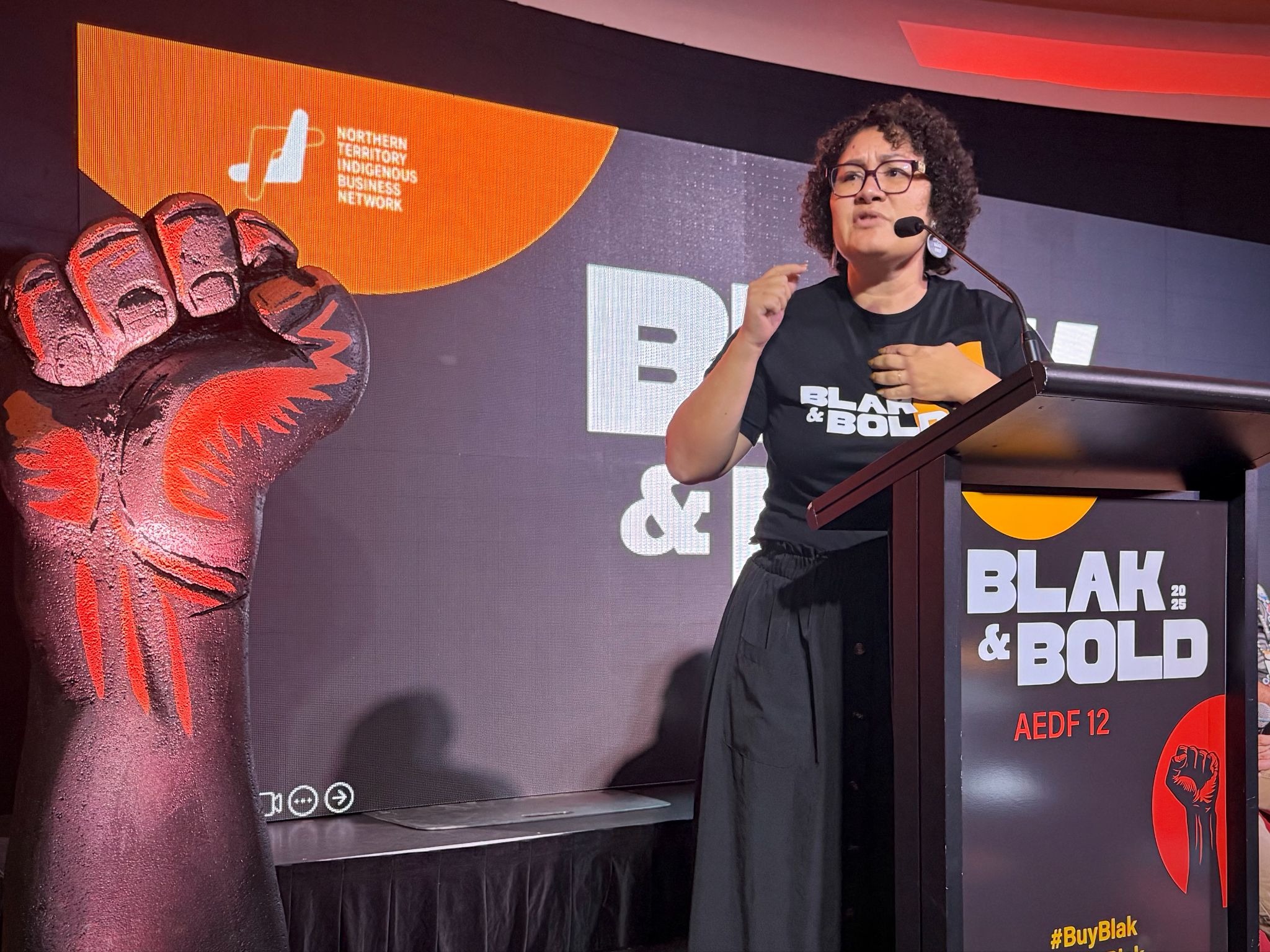
Northern Territory Indigenous Business Network (NTIBN) CEO Naomi Anstess reinforced Lawton's message, urging governments and industry to create genuine space for Indigenous leadership and investment.
"Black and Bold for us is about how we set the scene for how people see us," she said. "It's about you creating the space. It's about you opening the doors and it's about you being brave."
Anstess said the Territory's Indigenous business community is already a major economic force that should be recognised as central to the region's future, not a niche within it.
"We are not a minority here," she said. "We are the largest ethnic group in the Territory, so if doing stuff for those who are also the most dispossessed and impoverished mob in the Territory — if lifting us up isn't good for all Territorians, I don't know what is."
Rejecting outdated assumptions about Indigenous capability, Anstess said Aboriginal enterprises are delivering at scale and with precision. "Our businesses here are sophisticated," she said. "They're delivering multimillion-dollar projects with the appropriate safety, insurance, and ISO qualifications. When you engage Aboriginal businesses, you're getting highly capable, highly committed people."
She linked that sophistication directly to the Territory's broader prosperity, noting the measurable scale of Aboriginal enterprise. "We've got a $3 billion revenue in our member base that equates to a $15 billion return," she said.
For Anstess, economic independence is not only about growth but about freedom. "When we make money, we've got choice. That's what the power is about," she said. "Because when you get that money in your hand and you made it yourself, no one else can tell you how to spend it."
"First Nations Businesses Are Leading It"
Federal Minister for Indigenous Australians Senator Malarndirri McCarthy placed Lawton's message within a national framework, describing the strength of First Nations business as central to Australia's future economy.
"First Nations businesses are thriving from construction and tourism to professional services, the arts and clean energy," she said. "Together, our businesses contribute more than $16 billion to the national economy and employ more than 116,000 people."
She cited the Indigenous Procurement Policy (IPP) as one of the most significant tools driving that growth.
"Since 2015, the IPP has awarded more than 80,000 contracts worth $12.6 billion to more than 4,500 Indigenous businesses," she said. But she added that the next step must go further, strengthening eligibility criteria, increasing ambition, and tackling fraudulent practices that undermine genuine Indigenous enterprises.
"First Nation businesses are not just participating in the economy," McCarthy said.
"They are leading it. And together we are building a stronger, fairer, and more inclusive economy, one that recognises the strength, talent, and potential of First Nations people."
A Northern Territory Blueprint
Lawton said the Northern Territory holds a unique advantage in showing what Indigenous-led economic development can look like at scale. "You have what everyone else is trying to build, cultural authority and economic potential all in the same place," he said. "The task is to bring them together."
With major projects emerging in gas, critical minerals, renewables, hydrogen, and carbon farming, he said the Territory can lead the nation by demonstrating how culture, commerce, and Country can coexist.
"The big game is as partners, equity holders, and custodians of both the resource and the return," Lawton said. "Otherwise, we'll be standing on moral ground while the world moves around us once again."
"Now It's Time to Get Paid for It"
Lawton ended his address on a note that connected history to aspiration.
"Our stories, our knowledge and our people have always been the backbone of this country's strength," he said. "Now it's time to get paid for it."
For the AEMEE chief, the clean energy boom represents not just an industrial opportunity but a test of integrity for Australia and for those who lead on Country. "Prosperity can coexist with culture when we lead," he said.
The challenge, he concluded, is to ensure that the next century of resource development in Australia is not something done to Aboriginal people, but something built with and for them.