





Industry experts have called for greater long-term Indigenous participation in the energy sector at The Summit 2025, citing the rapid growth of Indigenous businesses and cultural knowledge of Country as an untapped opportunity for the renewables sector.
Hosted by the New South Wales Indigenous Chamber of Commerce last week, The Summit featured its highly anticipated business tradeshow and a series of panel discussions held over two days.
At a panel last Wednesday, Indigenous and non-Indigenous leaders at the forefront of NSW's energy sector came together to discuss investment, procurement and engagement opportunities for Indigenous businesses.
Sponsored by the NSW Department of Primary, Industry and Regional Development, the discussion highlighted how local First Nations businesses are uniquely positioned to manage renewable energy projects on Country while ensuring that economic benefits remain within communities.
Panellists included moderator Narelle Anderson, Deputy Chairperson of NSWICC and Owner of Envirobank; Liam Harte, Co-Founder and Director of TIKAEQ; Ben Linschoten, Procurement Manager at ACEREZ; Kath Hawkins, Director of Stakeholder and Permitting at Hydrostor; Neville Bereyne, Manager of Program Delivery, Social Procurement & Workforce Development and Regional Development at EnergyCo NSW; and Louise McGrath, Head Industry Development and Policy at Australian Industry Group (AIGroup).
"We talk a lot about the environment, about caring for Country, and really, that's what the renewable sector is all about too. It is all about caring for Country - Australia is actually one of the world's fastest adopters of renewable energy, and that's obviously thanks to the beautiful sunshine and strong winds and land space that we have available," Ms Anderson said.
"As of 2025, around one third of Australia's electricity comes from renewables, and the government aims for 82 per cent of renewable electricity by 2030."
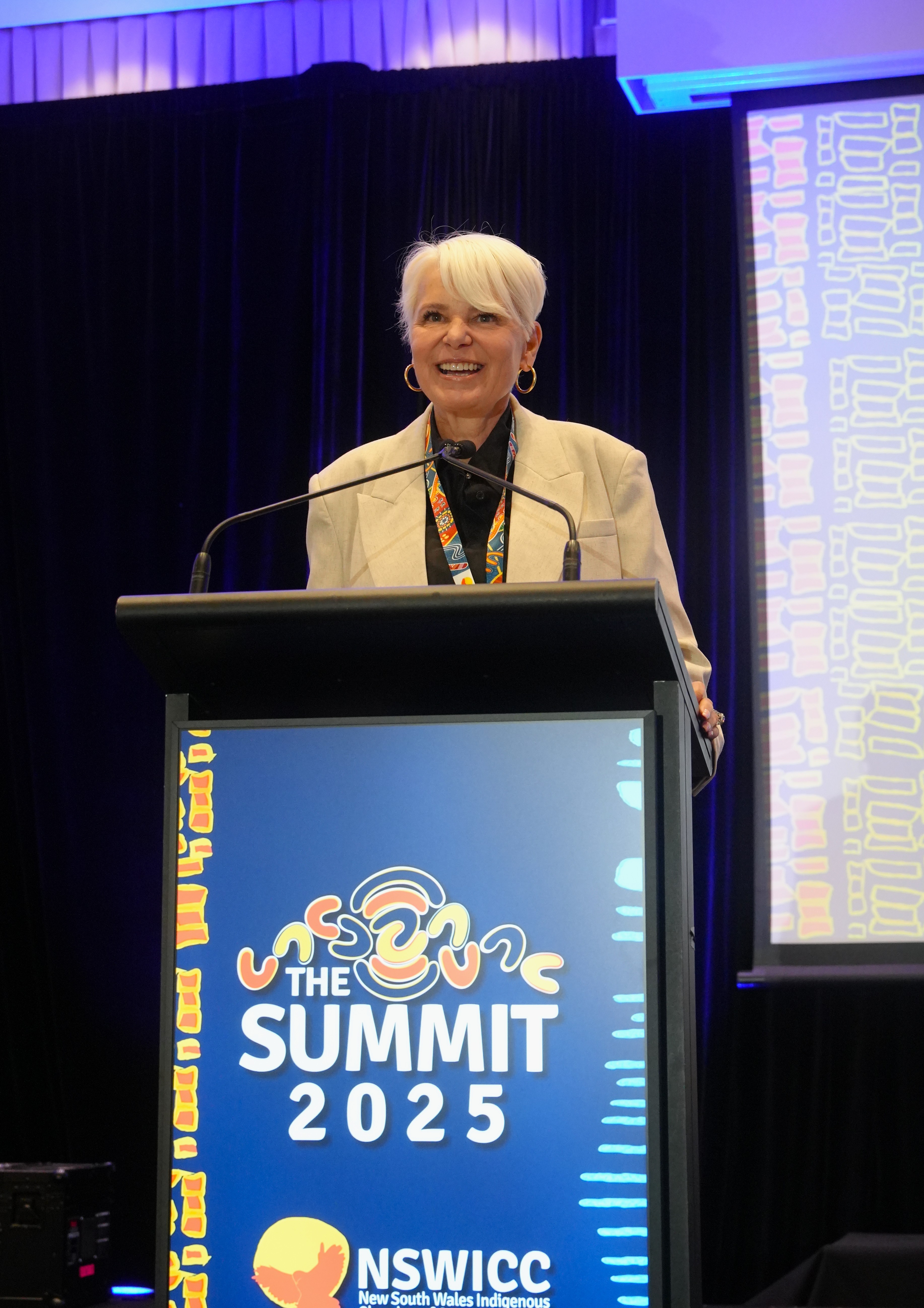
Ms McGrath highlighted engaging with Indigenous businesses comes with significant commercial advantage for the renewables sector, particularly because of the innate relationship between environment and energy management.
"For more than 60,000 years, our people have been caring for Country, so it's a good place to start to engage with Indigenous business and include that cultural connection and knowledge," she said.
Her comments set the tone for a broader conversation on how industry can move from intention to action, as panellists turned their focus to what practical solutions look like for enabling greater Indigenous participation in the energy sector.
"Primarily working with them is our number one... it's making sure you're working with local community and not having barriers that are unreasonably too high," Ms McGrath said, adding the same principle applies across industries from defence to renewables.
"It's always the message that we give to potential suppliers," she said.
Mr Linschoten said engagement and visibility are key to building genuine inclusion.
"The most important thing for us is being engaged and also being visible. And for us, the third probably element is training and support," he said.
"We've also looked at scope of works that we have in the market, and really tried to break them down into smaller scopes to make it more accessible to small and medium business."
For Mr Bereyne, scaling support and connecting smaller businesses to the wider supply chain are essential steps toward sustainable impact.
"Being able to scale up so you've got a lot of small businesses who feel they may not be able to participate or go for a package because the job is too big," he said.
"But as Ben has mentioned, they're doing the work of scaling things down and connecting local and smaller businesses with those who've won the package, so that they can be part of the supply chain and part of the energy projects."
Mr Bereyne noted preparing the workforce and building leadership are equally important parts of the equation.
"We're also concentrating on getting the workforce ready, so EnergyCo will be rolling out programs and initiatives and working with our proponents to get the local workforce ready," he said.
"Leadership is another example - we're training that next generation of leaders and leading hands so they can guide the next generation of workers into what will be quite a big workforce required to deliver all of these renewable energy projects."
Panellists shared examples of how procurement processes are being reworked to make them more culturally safe and inclusive from the beginning, rather than an afterthought.
"To get it right, we've had to do things differently," Ms Hawkins explained. "We engaged with cultural advisors to make sure our curriculum and procurement documents were written in a way Indigenous businesses could understand. How do we make it accessible and bring them on the journey?"
"We also worked with the NSW Indigenous Chamber of Commerce to educate our procurement team on best practice - not just bringing Indigenous businesses in under a contract, but involving them from the get-go."
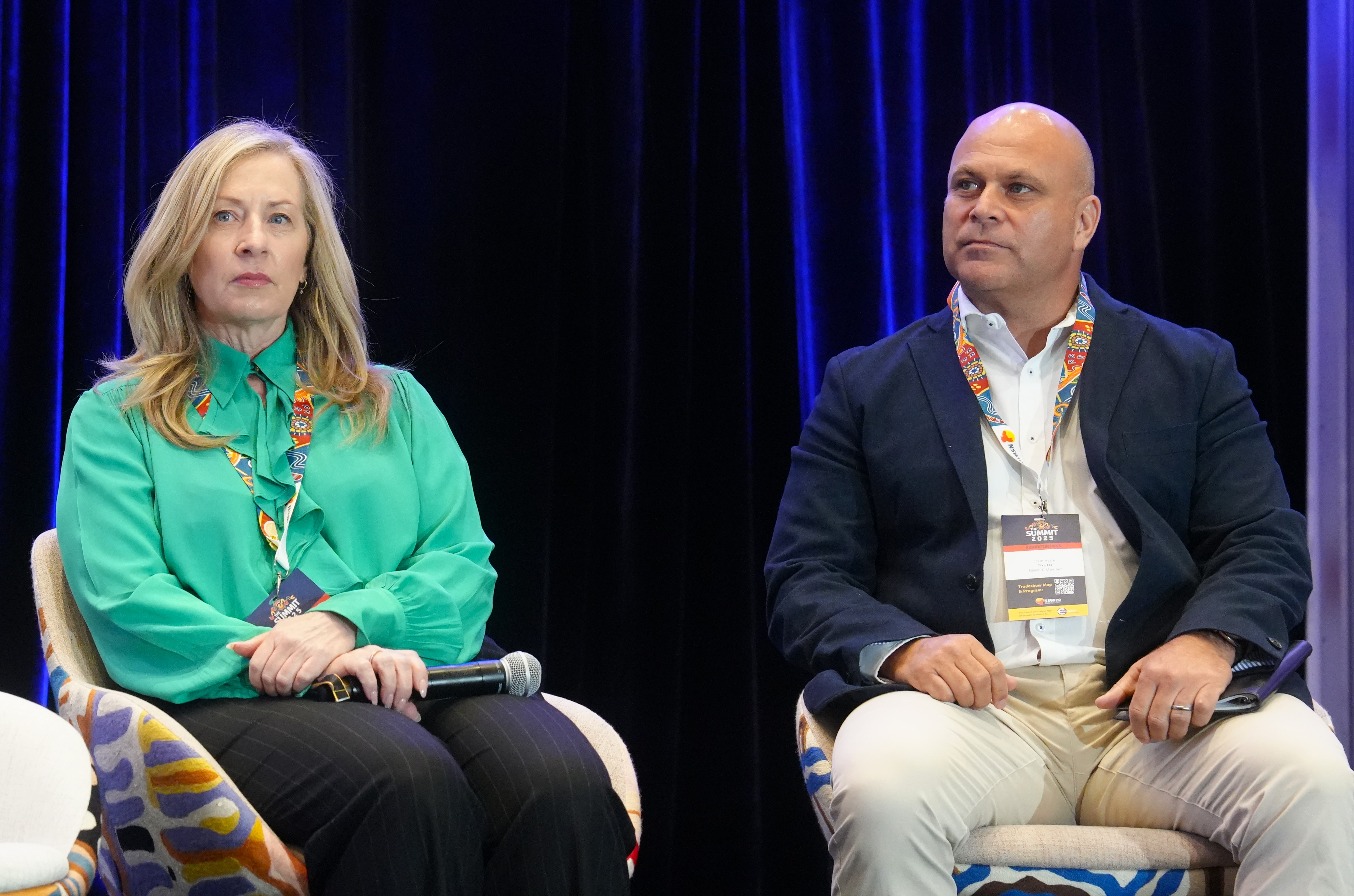
That kind of genuine engagement, the panel agreed, also helps strengthen community trust and social licence.
"One of the challenges for renewable build-out across Australia is social license, and I think a key part of that is working with local communities and having that diversity on the ground," Ms McGrath said.
"Procurement has to be localised and sensitive to the local community and provide real opportunities - that's how we get social license."
Concluding the discussion, Ms Anderson reflected on how the growing Indigenous business sector continues to create a ripple effect of opportunity and success.
"More success breeds success," she said. "This is a sector - the Indigenous business sector - that's growing year on year."
The discussion echoed The Summit's overarching message: genuine collaboration with First Nations businesses is key to building a sustainable and inclusive future. By embedding Indigenous leadership, knowledge, and participation at every stage of action, industry experts believe it can deliver lasting benefits for communities and Country alike.
The Indigenous Business Review is an official media partner for the NSW Indigenous Chamber of Commerce's The Summit 2025.