



Women in Delaivadra Village on Druadrua Island in Macuata, Fiji are saving up to $50 a week following the installation of solar freezers in their community.
The freezers allow frozen food to be stored locally, reducing the need for regular travel to Labasa to purchase meat, frozen goods and cold drinks.
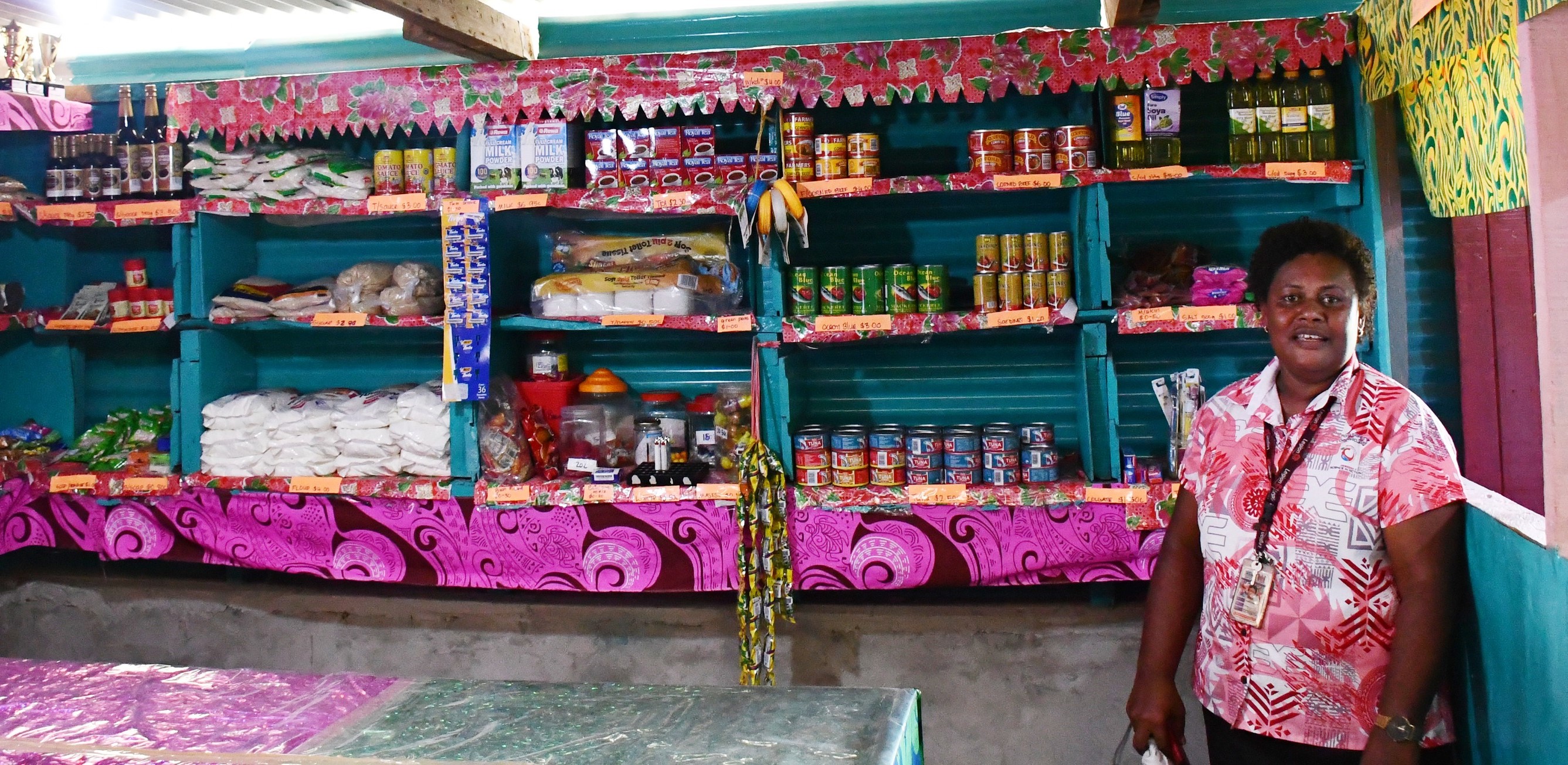
The initiative is being delivered through the Sigavou Women's Cooperative, which operates a village-based business serving local households.
The project has been framed as a cost-of-living and income-support measure for women and families living on the island.
Sigavou Women's Cooperative leader, Paulini Dulena, said the freezers had changed how women manage household expenses and daily routines.
"This support will really help us a lot, especially as we will no longer have to travel all the way to Labasa just to buy frozen food for our families," Ms Dulena said.
She said the ability to store frozen goods locally was already reducing weekly expenses.
"Having these solar freezers here in the village means we can save money every week, spend more time with our families, and focus on improving our livelihoods," she said.
Ms Dulena said the cooperative was also planning to expand its small business activities.
The group intends to purchase fish directly from local fishermen, store the produce safely and sell it later at nearby markets.
"This project gives us hope," Ms Dulena said.
"We are now looking forward to buying fish from our own fishermen, supporting them, and selling our products with confidence."
She said the expansion would allow women to contribute more actively to the local economy.
The solar freezers were officially handed over by the Minister for Rural and Maritime Development and Disaster Management Mosese Bulitavu.
The handover was described as a practical step to reduce household costs and improve food security on Druadrua Island.
Mr Bulitavu said the initiative would have immediate and long-term benefits for women.
"This initiative directly improves household savings, food security, and income opportunities for women," he said.
Mr Bulitavu said money previously spent on travel could now be redirected to other priorities.
"What was once spent on weekly travel costs can now be redirected towards education, health, and other family needs," he said.
The project was funded through the Ministry of Rural and Maritime Development and Disaster Management's Self-Help Program.
The total cost of the project was more than $26,000.
The Self-Help Program is intended to support community-led initiatives that strengthen local livelihoods and resilience.
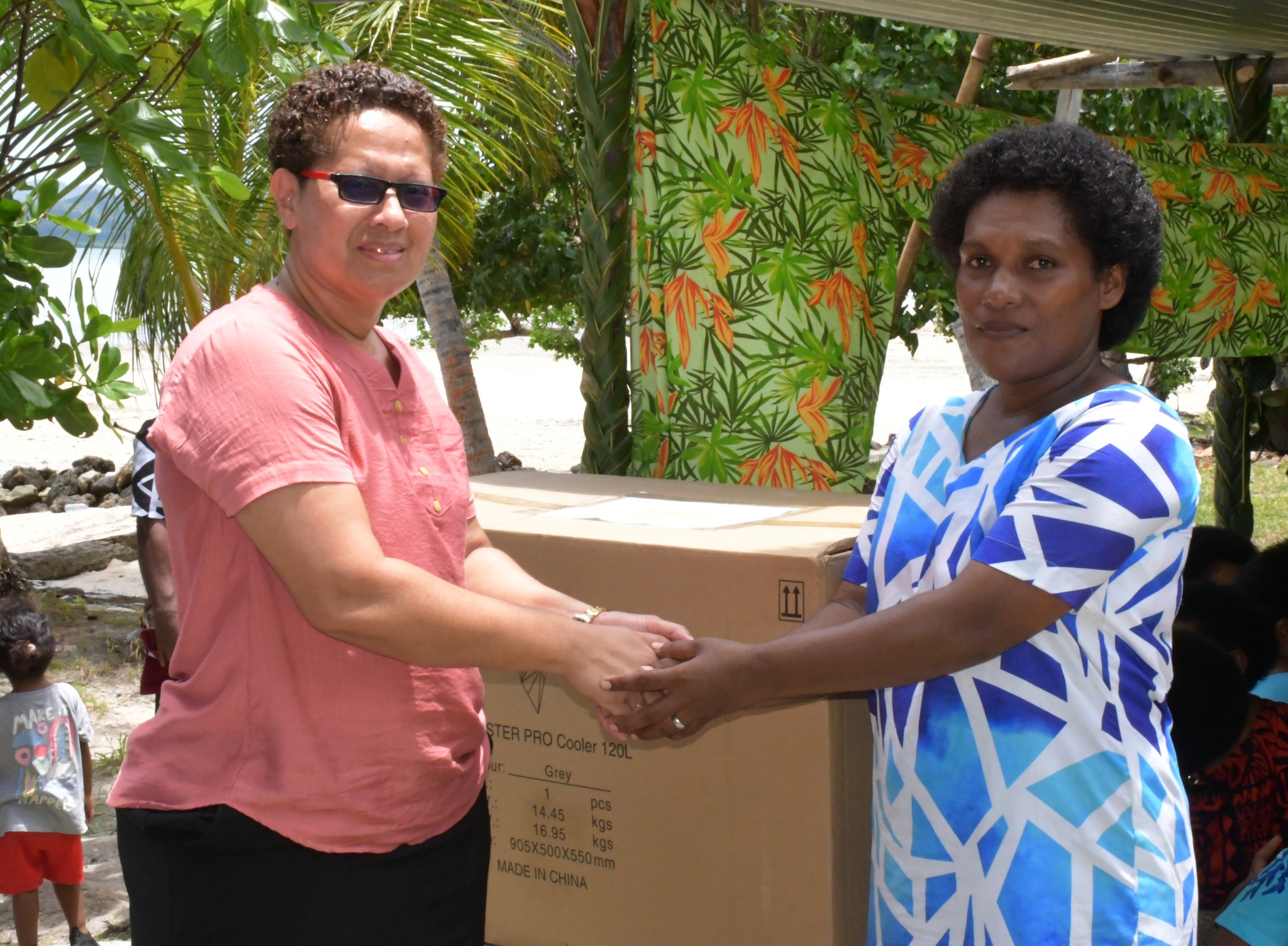
The solar freezers are also helping reduce spoilage of fish and seafood harvested during the week.
This allows products to be sold later at better prices rather than immediately or at a loss.
The improved storage capacity is expected to strengthen income generation for the women's cooperative.
Mr Bulitavu commended the Sigavou Women's Group for its leadership and unity in delivering the project.
He encouraged the group to manage the facility responsibly to ensure long-term benefits.
"This investment is not just about infrastructure," Mr Bulitavu said.
"It is about empowering women, strengthening resilience, and improving the overall quality of life for families in Delaivadra."
The women's cooperative has also received additional support from other organisations.
Additional ice box freezers have been provided by the United Nations Population Fund Pacific and the Department of Cooperative.
The extra equipment is expected to further support the cooperative's business operations.
The combined support is intended to strengthen the group's capacity to store and sell frozen goods locally.
Community leaders said the project demonstrated how targeted infrastructure could deliver practical benefits in remote island settings.
The initiative is expected to continue supporting women's economic participation and household stability in Delaivadra Village.