



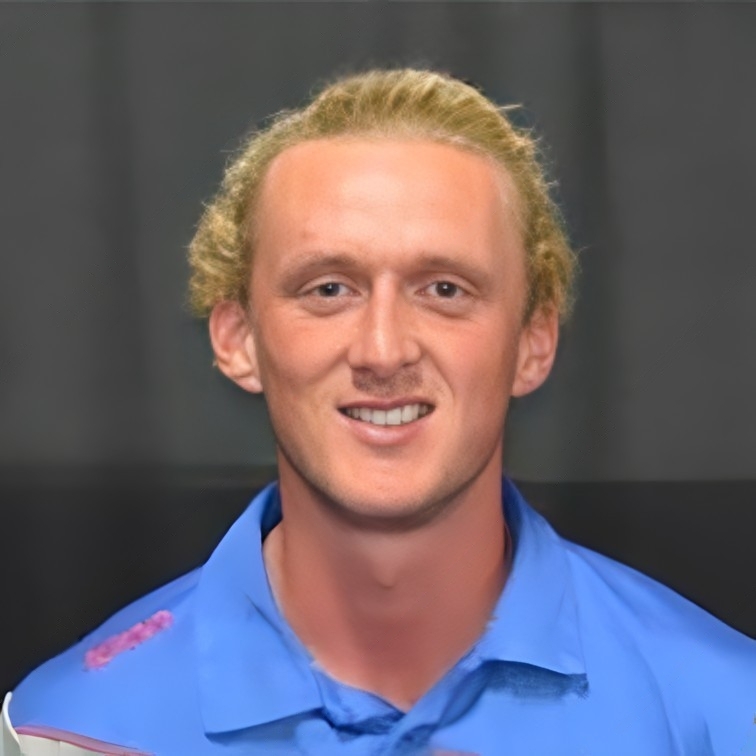

In Western Australia's Great Southern region an Indigenous-owned and women-led training and labour hire firm is assisting mob enter the state's mining, civil, and earthworks sectors.
Tambal Solutions, based near Albany, utilises Aboriginal-owned land to hold industry-recognised training courses which are supporting the career development of both Indigenous and non-Indigenous participants.
Founded by Noongar woman Penny Williams, Tambal offers earthworks and civil contracting, labour hire and cultural support, however a key element of its business operations is the delivery of Aboriginal-led training courses on a 1200-acre family owned sheep property.
Ms Williams said Tambal Solutions was named after her family's personal journey through the area.
"The concept was our own family's journey from Tambellup to Mount Barker to Albany, and it's abbreviated Tambal," Ms Williams told The Indigenous Business Review.
"In that journey, my parents sought to k70eep moving to different locations for opportunities for their children, including employment education and sport.
"It was very holistic with what they were trying to provide for us, so that's pretty much what Tambal represents."
After 18 years in the mining industry with Rio Tinto, Ms Williams said she became increasingly aware of the lack of opportunity for young people in WA's south, which inspired her to establish Tambal.
"I could see the disparity happening back home and people not having those opportunities," she said.
"You just didn't see many Noongar people or Aboriginal people in the civil sector, as well as constriction."
Noticing the disadvantage faced by southern mob and while utilising her mining experience and training, Ms Williams founded Tambal in 2022 with the support of her husband, Scott, son, Steven, and daughter, Samara, who collectively manage in-field operations.
"I thought someone like myself who has had access to these opportunities could come back to town and, in a culturally safe fashion, be able to share and work with local Aboriginal people in the community," Ms Williams said.
While the majority of Tambal's training graduates are Indigenous, Ms Williams said the company takes on students "from all walks of life".
"We don't want to decide who can and who can't come through the door and have access to training," Ms Williams said. "If we can help, we will help."
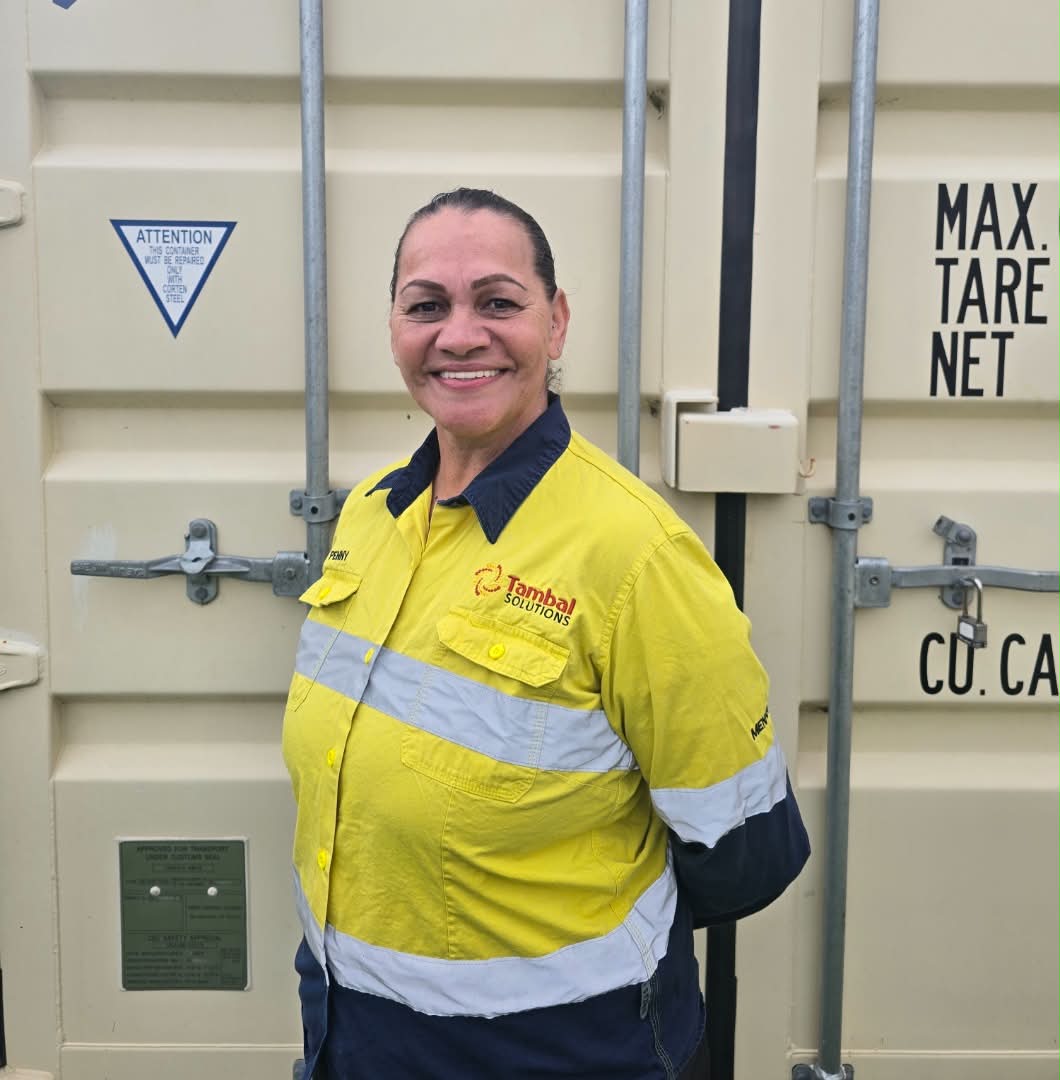
Leading Tambal's training department is Ms Williams' daughter, Samara, who utilises her years of experience with BHP to mentor the next generation of operators form the state's south.
The Menang woman said through Tambal, she feels a strong sense of community contribution after nearly a decade of fly-in, fly-out work in WA's north.
"I didn't see myself working for such a big corporation for much longer when I could be coming home and pouring all my knowledge into our community," she said.
Samara said Tambal prides itself on offering tailored training solutions based on a client's individual requirements.
"We will create a package depending on the required number of machines, and make a program based around those," she said.
"Typically, it's a maximum of four machines, so we can have up to 10 people in a classroom, and then have a circuit over the course of four weeks."
Samara said with the high percentage of Aboriginal participants, Tambal ensures it offers culturally safe training, including opportunities for participants to have a yarn on Country.
"I think being out on the farm, on our Country, with our own mob, in a safe place with people that they trust and that they're growing and learning with, I think that offers a lot of support," she said.
Tambal goes the extra mile for its training participants by offering transport support and a "mandatory" Friday barbecue — where culture meets cuisine — to celebrate the week's learning.
Samara said leading Tambal's training cohorts made her feel extremely proud of mob entering the earthwork industry, while giving her a renewed sense of purpose.
"To see the commitment and the excitement and the effort actually being put in, and the attendance is also very good, which is great to see," she said.
"And if I can help people grow and learn or create opportunities and open pathways for anyone, I feel like I'm doing what I'm meant to be doing here."