





For more than 60 years, forestry has been part of life on the Tiwi Islands. Now, a new workforce plan is laying the foundation for the next generation of Tiwi workers and leaders to step into long term careers on Country.
The Tiwi Plantations Corporation has officially released the Tiwi Forestry Workforce Plan 2026-2030, a detailed roadmap designed to strengthen Tiwi participation across every stage of the forestry industry.
Owned entirely by Tiwi people, the Tiwi Plantations Corporation manages more than 30,000 hectares of plantation estate on Melville Island and recently secured ownership of the port in Pirlangimpi, now known as Tiwi Port and Marine.
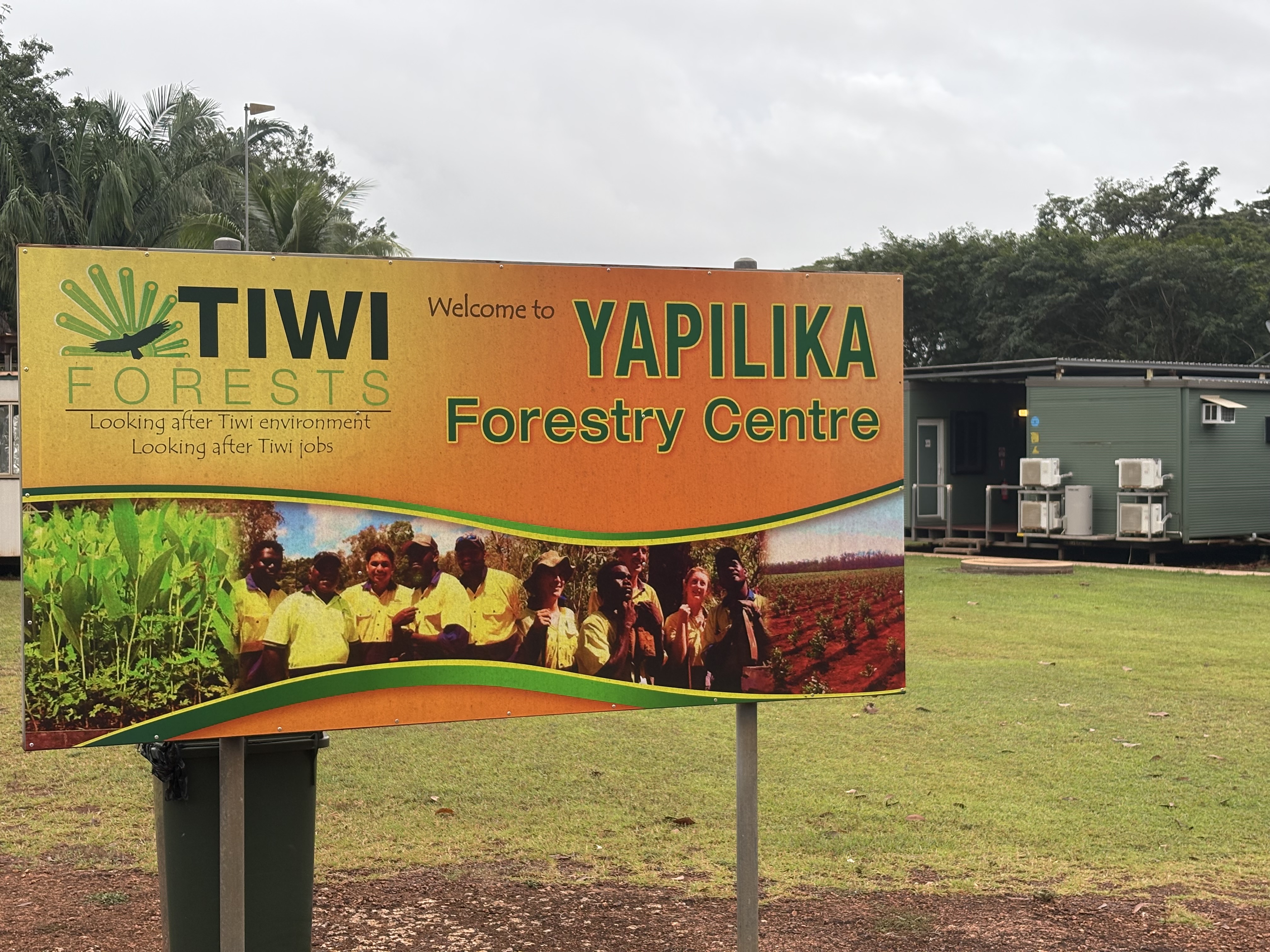
The plan comes at a significant turning point for the industry. In 2024, the last shipment of Acacia mangium woodchip left the islands, marking the end of the first plantation rotation. Following extensive clan meetings in 2025, Tiwi approval was secured for a second rotation, with the corporation now preparing to replant 30,000 hectares with Eucalyptus pellita over the next decade.
That next phase is expected to create jobs across nursery operations, planting programs, forest protection, workshop maintenance, camp services, harvest teams, trucking and port operations.
Charles Darwin University Northern Institute Research Associate Alicia Boyle, who led the project academically, said the workforce plan was designed to make career pathways visible and achievable for Tiwi people.
"The plan provides a practical way for Tiwi people to see what roles exist in forestry and how to move into them," Ms Boyle said.
"It shows clear training and career pathways for young people, as well as leadership opportunities. When Tiwi people move into supervisory and senior roles, they create visible pathways for others to follow."
The plan maps out entire career journeys, beginning with entry level positions and progressing through to leadership and management roles. It includes training options, on the job development and higher education pathways linked to forestry, environmental science, horticulture and land management.
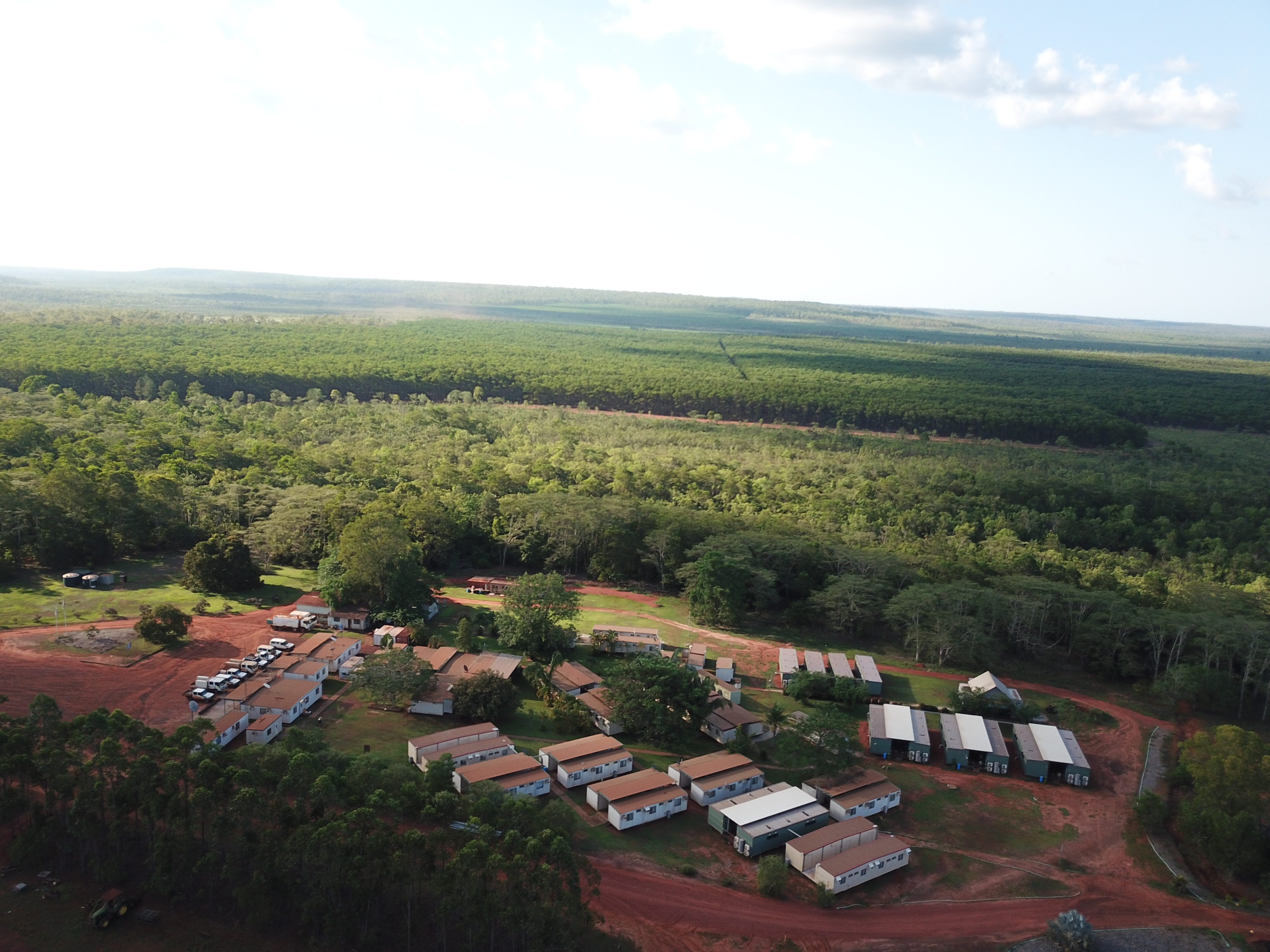
Importantly, the document is grounded in Tiwi knowledge systems and seasonal understanding. Alongside the workforce plan sits the Tiwi Forestry Seasonal Calendar, described as a first of its kind tool aligning forestry operations with Tiwi seasons and ecological knowledge.
The seasonal calendar outlines how forestry activities shift throughout the year depending on weather patterns, fire management periods and environmental conditions. Controlled burning, planting, weed spraying, harvesting and road maintenance are all mapped against Tiwi seasonal knowledge, reinforcing the importance of caring for Country while building a sustainable industry.
Tiwi Plantations Corporation Chair Gibson Farmer Illortaminni said the release of the plan represented the continuation of a vision held by Tiwi Elders for generations.
"This has always been part of our vision. Now we have a clear plan to support the next generation to step into the workforce and into leadership," Mr Illortaminni said.
"We're excited to showcase the plan to our people, because there are jobs on the Tiwi Islands, and we have to get our people into the workforce.
"In the old days, it was the elders' vision to get our people in the workforce. The next generation needs to step up."
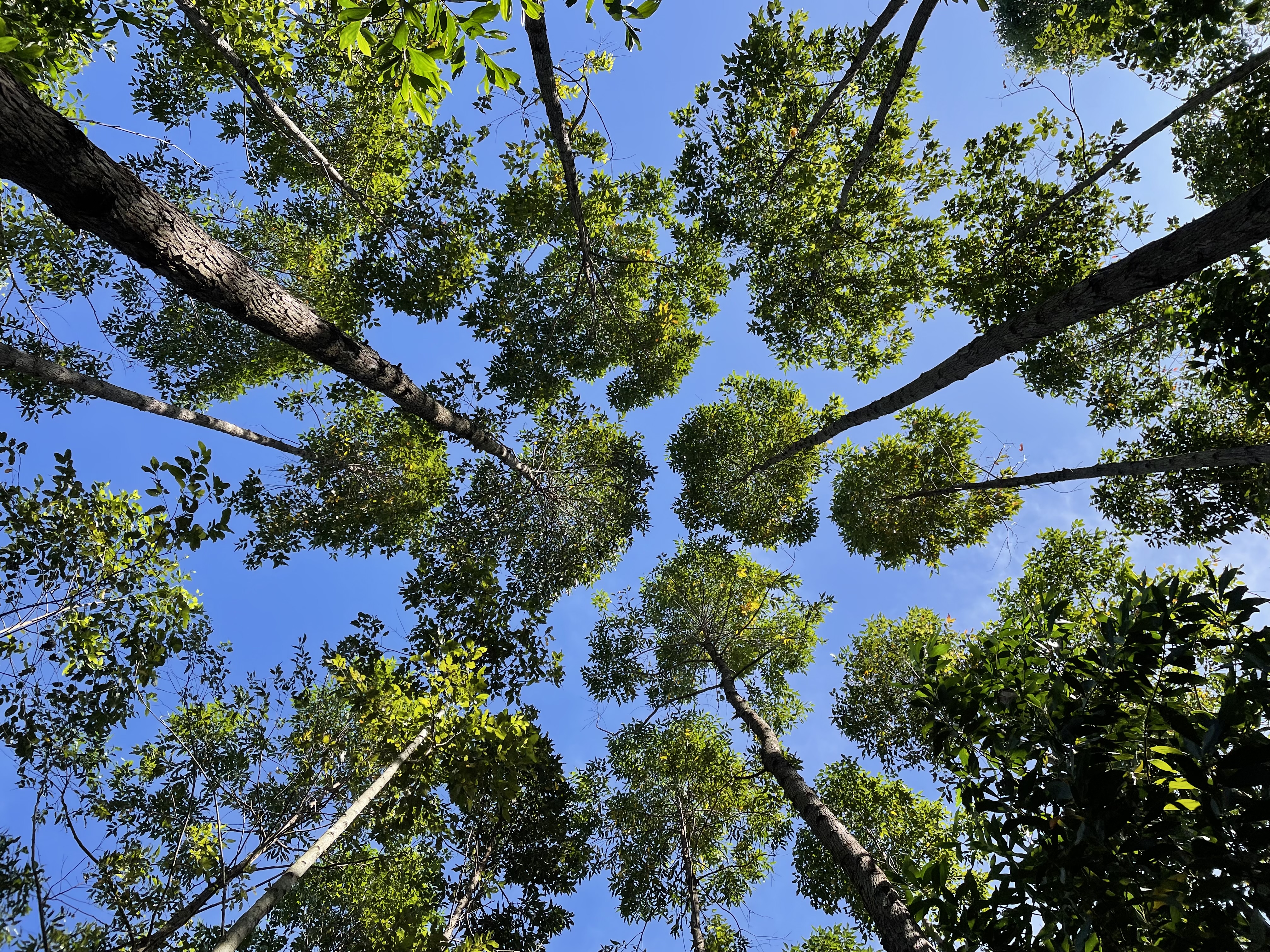
The workforce plan is also being shared with schools across Darwin and the Tiwi Islands to encourage students to begin thinking about careers in forestry from an early age.
For many young Tiwi people, the plan represents more than employment. It is about self-determination, leadership and ensuring economic opportunities remain connected to Country and community.
The plan highlights that skills developed in forestry can also create pathways into other industries including ranger programs, local government, mining and oil and gas.
At its heart, the Tiwi Forestry Workforce Plan is about long-term sustainability. Not only sustaining plantations and economic growth, but sustaining knowledge, opportunity and leadership for future generations of Tiwi people.
As the second plantation rotation begins, the vision is clear. Forestry on the Tiwi Islands is not only planting trees for the future, it is planting pathways for people.