





What is unfolding on Wurankuwu is a powerful example of what self-determination can look like when Traditional Owners are not simply consulted, but leading from the front.
Tiwi man Ron Poantimilui has become one of the driving forces behind the Mapurlarri Prawn Farm Project, helping shape a vision grounded in culture, Country and long-term opportunity for his people. A respected Traditional Owner from the Wurankuwu clan on Bathurst Island, he has worked closely with Tiwi Resources, the Portaminni Trust and CSIRO to ensure the project reflects the aspirations of community, rather than outside agendas.
"For us, it means our people are making the decisions about our own future," he said.
"We are not waiting for outside organisations to lead us. We are using our land, our knowledge and our culture to build something that belongs to us."
That philosophy sits at the heart of the project.
The proposed prawn farm has been designed through a co design partnership where Traditional Owners actively shape decisions around land use, environmental management and how benefits will flow back into community. It is not just about aquaculture. It is about creating long term employment on Country, skills development, economic independence and opportunities for future generations.
"Working on Country is very important," Mr Poantimilui said.
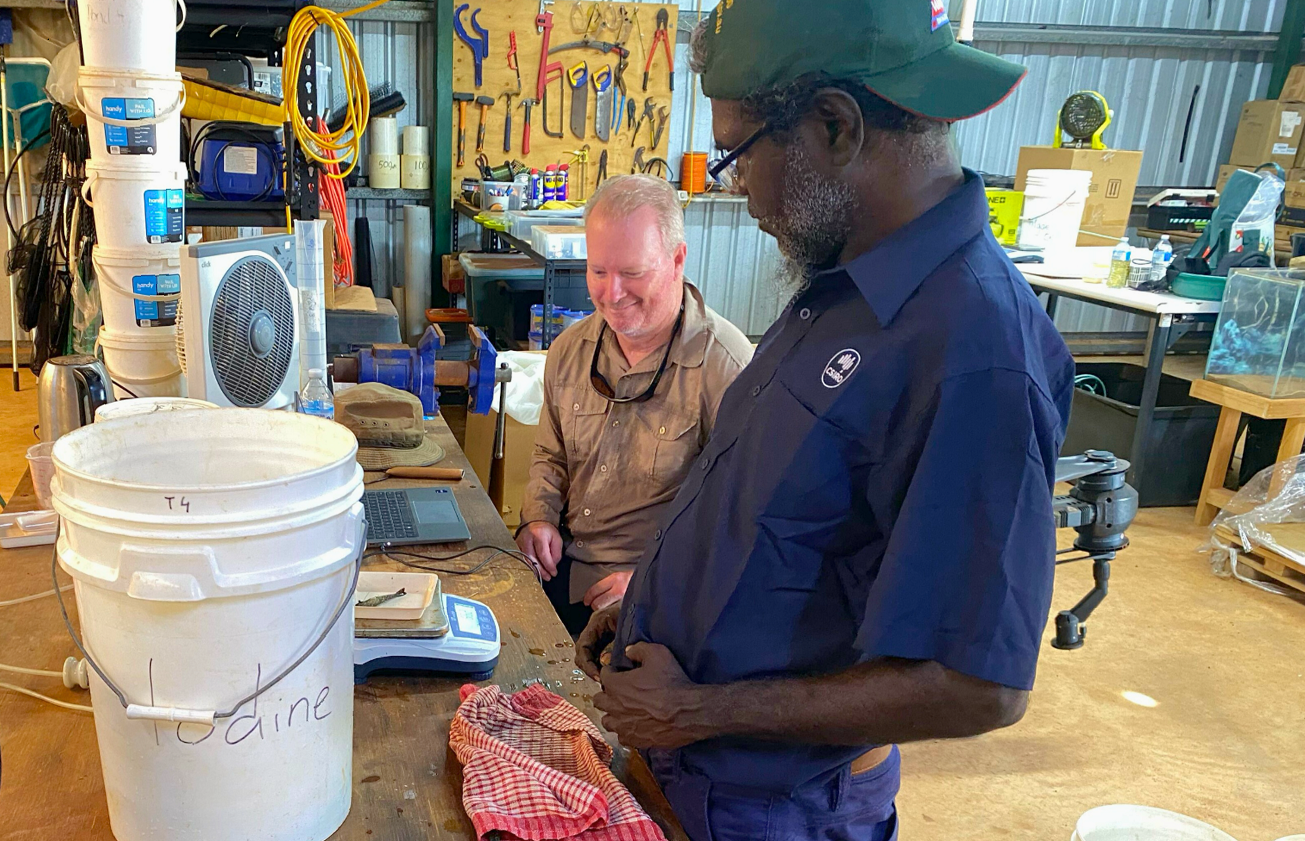
"It keeps our culture strong, creates jobs for our people and gives pride to our community."
The project also challenges long standing assumptions about development in remote Australia. Too often, economic opportunity has required First Nations people to leave their homelands behind. Ron believes this model offers another path.
"Our homelands are where our culture lives," he said.
"If people have to leave for work, we lose connection to our land, our language and our identity.
"Projects like this bring jobs back to the community. People can stay, work and look after Country at the same time."
That commitment to culture and environmental care has guided every stage of planning. Traditional ecological knowledge has sat alongside western science, helping determine the right site for the farm while ensuring sacred sites and waterways are protected.
"We always start with culture first," he said.
"Our culture teaches us how to look after land and sea properly. That means we respect Country and do not take more than we should."
Mr Poantimilui's involvement has also stretched beyond the Tiwi Islands. Through an international study tour to Vietnam, he was able to see successful prawn farming operations firsthand and explore how those approaches could be adapted to the Tiwi context. The experience strengthened the project's vision of blending proven aquaculture techniques with Tiwi knowledge systems.
CSIRO Senior Experimental Scientist Simon Irvin said the implications of the project could extend far beyond one community.
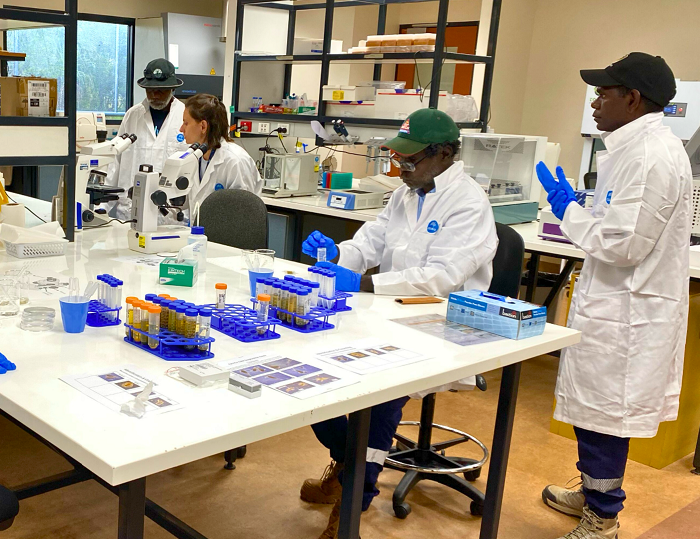
"If this model succeeds, it could signal a major shift in what's possible for First Nations communities across the Northern Territory and well beyond," he said.
"At its core, it would demonstrate that remote, place-based aquaculture enterprises are not only viable but scalable when they are designed with Country, culture and local capability at the centre."
Mr Irvin said the project could become a blueprint for other coastal communities looking to build sustainable industries grounded in local knowledge and leadership.
"It highlights how traditional ecological knowledge and western science can work together to unlock new opportunities across northern Australia," he said.
For him, the biggest impact may be what young Tiwi people see in front of them.
"It shows that leadership is about working together," he said.
"It is about listening to Elders, respecting culture and also learning new skills.
"Young people can see that they can be part of business, science and working on Country at the same time."