



Leaders from the Whadjuk Aboriginal Corporation are in Aotearoa for a week-long program with Waikato-Tainui, examining how one of the country's largest iwi (family) has transformed a Treaty settlement into a multi-billion-dollar economic base over the past three decades.
The visit includes briefings and site tours across Māori-owned businesses, infrastructure, landholdings and commercial assets. Early discussions have taken place at the Te Arikinui Pullman Auckland Airport, setting the tone for a broader exchange focused on strategy, governance and long-term wealth creation.
For Noongar readers, the relevance is immediate. With cash and real estate associated with the Single Noongar Claim on a path towards Indigenous control over time, the discussions go directly to how those assets will be governed, grown and protected.
Waikato-Tainui, with around 96,000 members, has built its economic base through its commercial arm, Tainui Group Holdings, following its 1995 settlement with the Crown. Today it manages a diversified portfolio across property, hospitality, logistics and infrastructure.
Its chair, Tukoroirangi Morgan, known widely as Tuku Morgan, has led a strategy grounded in discipline, partnership and long-term custodianship.
From settlement to scale
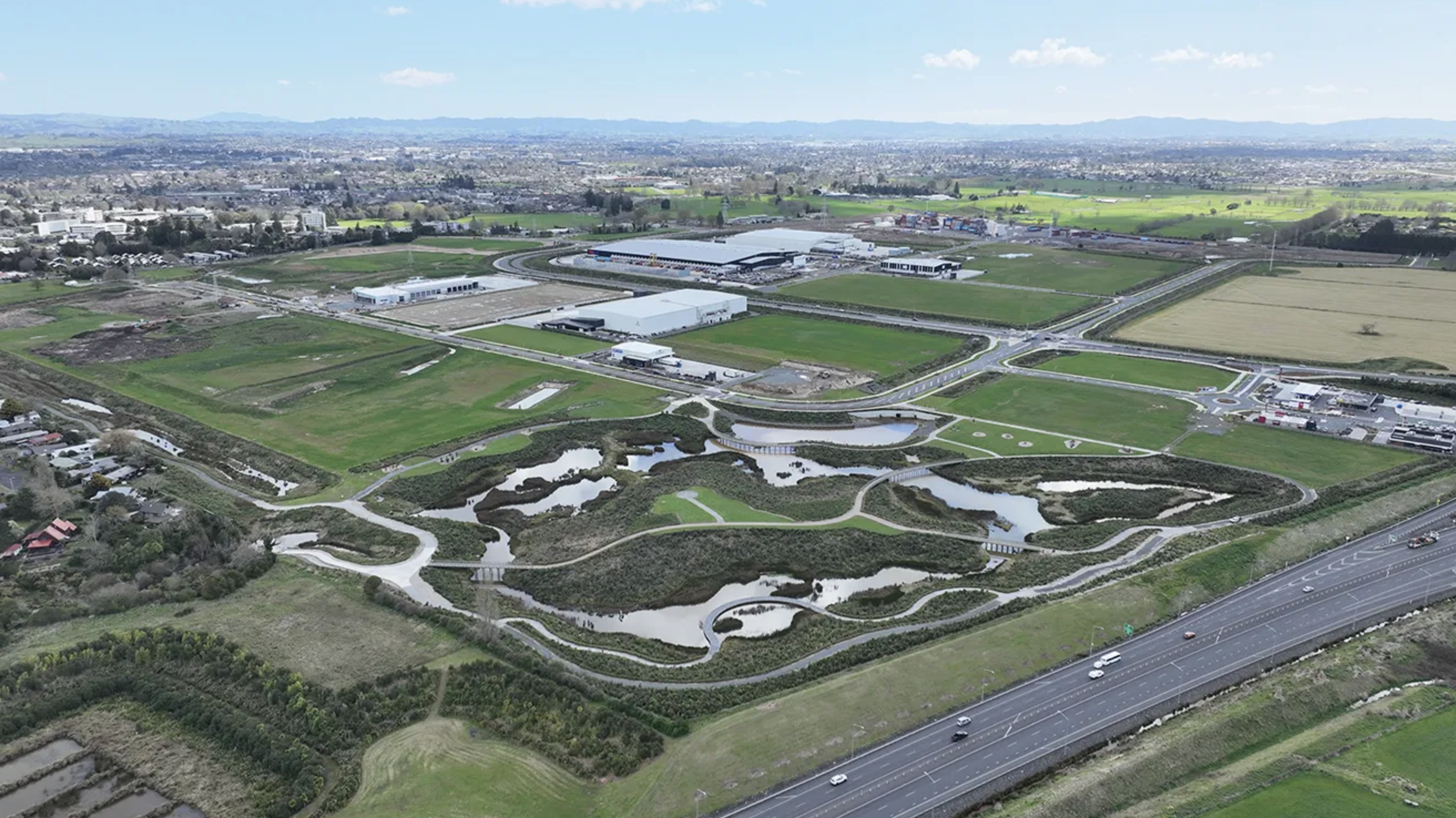
Over 30 years, Waikato-Tainui has developed a substantial real estate and infrastructure portfolio while retaining ownership of whenua (land).
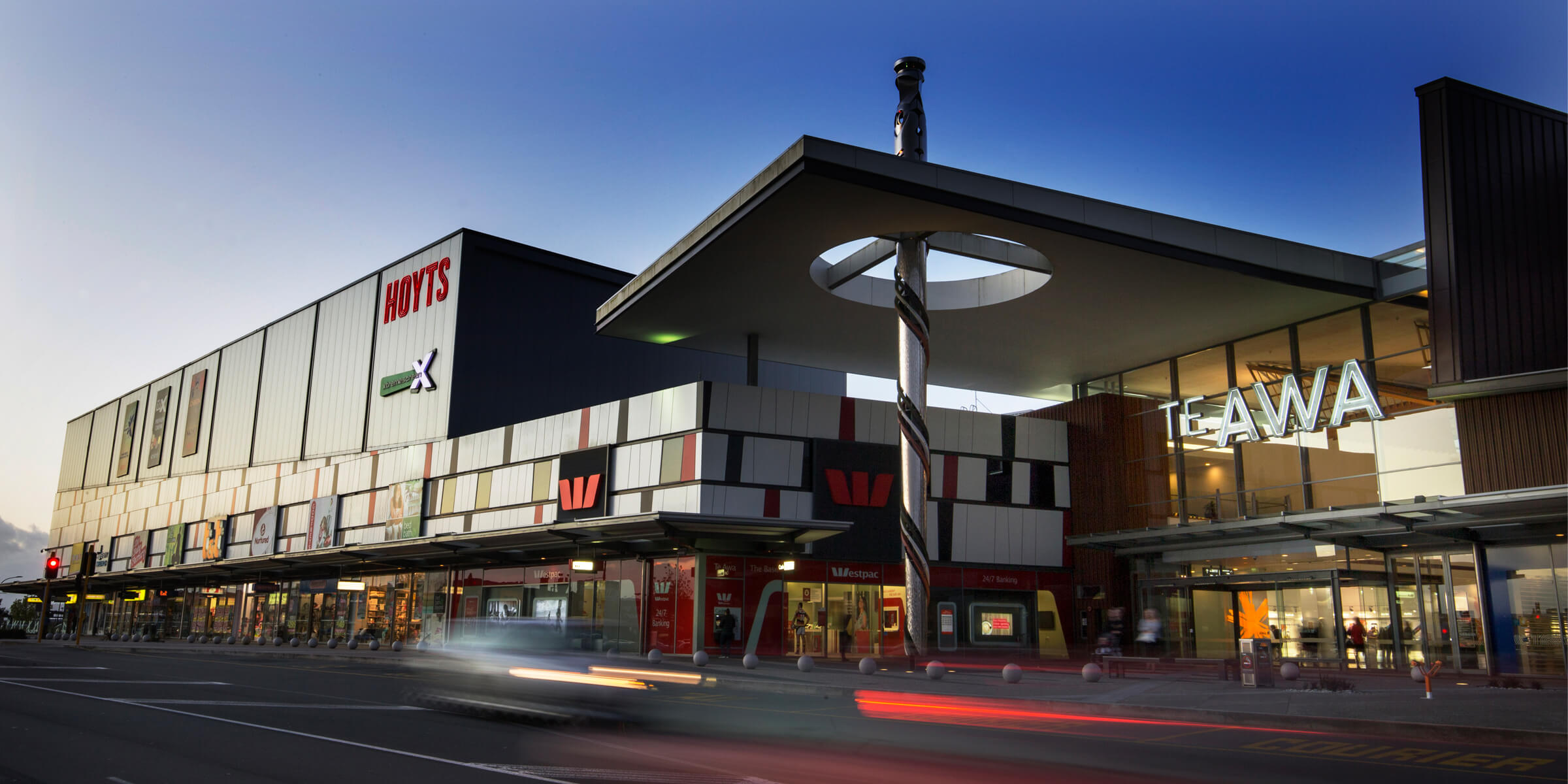
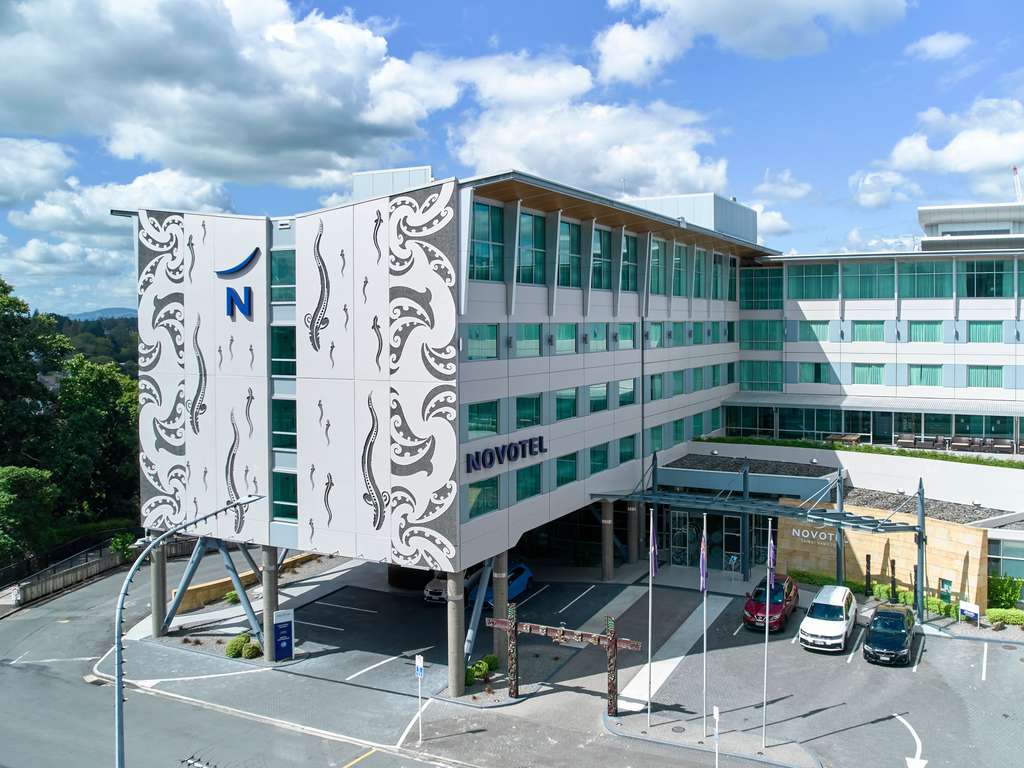
This includes The Base, one of New Zealand's largest retail centres; Centre Place; the Ruakura Superhub and Ruakura Inland Port logistics precinct; a growing portfolio of commercial offices, industrial land and residential developments; and strategic ground leases across public infrastructure including courts, police stations and education facilities. Its hospitality assets include the Te Arikinui Pullman Auckland Airport, Novotel Auckland Airport and ibis Hamilton Tainui.
TGH also owns and manages around 2,760ha of farmland, supporting dairy, sheep, beef, and owns and cares for around 1,706ha of ngahere (forestry). TGH is also the asset holding company for around 40 per cent of local fishing quta on behalf of their community.
Taken together, the portfolio shows how settlement land has been retained and leveraged into a diversified, income-generating platform.
That growth now underpins direct member benefit. Waikato-Tainui's tribal parliament recently approved an annual disbursement budget of about $70 million for its 96,000 members. Under its Puna Whakatupu Taangata framework, around 2.5 per cent of net asset value is distributed each year while the asset base continues to grow in real terms.
Discipline and realism
Morgan told the delegation the outcome reflects long-term discipline rather than short-term gain.
"There was no point in distributing the wealth at a time when actually we were trying to build," he said.
"You can't make decisions that's going to impact generations... if we just spend it all willy-nilly, then there's going to be nothing."
He said the process of building unity and capability had been difficult.
"We had to survive. We had to be resilient, strong in our belief that we were going to shape a new tomorrow," Morgan said.
"It's not all roses. It's a tough game. But it's the most satisfying quest."
He also stressed the importance of developing internal capability.
"We are working on the premise now that we have to train our own," he said.
A shared challenge
For Charne Hayden, the scale of Waikato-Tainui's progress sharpened the challenge facing Noongar leaders.
"You've done that in 30 years," Hayden said.
"We have had nearly 37 years... and yet we've only got the single Noongar claim done in 2021."
She said the next phase requires a shift from settlement to strategy.
"How do we create intergenerational wealth?" she said.
"How do we bring our people along on this journey?"
Hayden spoke directly about structural barriers.
"Our people... have lived in that welfare dependency... they got too comfortable over the years," she said.
"We've got to change that narrative.
"The only way we can bring our people together is to give them a vision for the future."
Responding to scrutiny
Hayden also acknowledged that the visit had drawn criticism from some individuals within the Noongar community.
"There's been a lot said about why we're here," she said.
"But this is about learning, about understanding what's possible, and about getting the strategy right."
She said exposure to large scale Indigenous economies was critical to decision-making.
"If we don't take the time to learn this properly... we risk getting it wrong," she said.
"For us, this is about making sure we're in the right position to build, to grow, and to take advantage of the opportunities that are coming."
Partnership and scale
Partnerships were a consistent theme across discussions and asset briefings.
"Everything that we've built has come as a result of partnership," Morgan said.
"That's the secret."
Tainui executives said joint ventures have enabled access to capital and expertise across sectors.
"It's about sharing risk... access to capability... and it helps you move up the food chain a whole lot faster," one executive said.
Hayden said similar thinking could support Noongar-led development.
"We sit up this conglomerate like you guys are looking at the partnerships," she said.
"That's how we do that."
Hotels as a working model
The Pullman and broader hotel portfolio were presented as a practical example of the model.
"So there altogether our ownership... is probably north of about $250 million," a Waikato-Tainui executive said.
The airport investment was initially uncertain.
"We came into the scene not really knowing what would happen because it was a gamble at the time," a hotel executive said.
"And we've never looked back."
The asset now operates within a high-volume transport environment.
"Seventy per cent of all flight traffic comes through the international airport," he said.
"They are factories... people come in, they go... we churn guests and visitors at a fast pace."
Culture and authority
Renata Te Wiata, a fourth generation Maoria master carver, said cultural authority had been embedded into developments from the outset.
"It's not just a panel on the wall, it's actually embedding it in the concrete," he said.
"The only way you can get rid of this is... to demolish the building."
Across the Pullman's ground floor, etched glasswork depicts taniwha, ancestral guardians connected to land and waterways.
"So, all the designs... those taniwha are protecting this and all the people inside," he said.
"We still carry those important narratives, it's just applied in that modern way."
"When you're sitting at the table... it's being as blunt as saying, 'how much money have you put aside for cultural budget?'" he said.
"And if they say, 'Oh, thousand bucks, we'll walk away...' that says to you they don't care about you."
Financing the next phase
Financing large-scale Indigenous development was also a focus.
Hayden pointed to the need for coordinated investment across Noongar organisations.
"We've got one language, one nation... we've got to bring that together," she said.
Participants also referenced early conversations with Indigenous Business Australia as a potential pathway to unlocking capital for larger projects.
What comes next
The visit will continue with further briefings across Māori-owned enterprises, offering Whadjuk leaders additional models to consider.
For Waikato-Tainui, settlement was the starting point. For Whadjuk leaders, the task now is to align land, capital and governance to build a comparable economic future.
"We don't need to wait 30 years," Hayden said.
"We can do that within the next one to two years... to build this concept."