



A Canada-funded regional program worth CAD 7.85 million (AUD 8.42 million) will back women-led, nature-based businesses in Fiji, Samoa and Tuvalu.
Fiji's government has welcomed the launch of the Pasifika Women Entrepreneurs as Guardians of Island Adaptation and Nature-based Business Solutions initiative (Pasifika WE-GUARDIANS).
The program is funded through Global Affairs Canada and is being implemented by Alinea International in partnership with women-led enterprises, women's organisations and communities.
Canadian Secretary of State for International Development, Randeep Sarai, said the investment was aimed at strengthening local economies while supporting climate resilience.
"When women succeed, communities thrive," he said.
"Supporting women entrepreneurs is one of the smartest investments we can make for local economies and a sustainable future."
The initiative is intended to strengthen women's leadership in climate resilience, economic empowerment and environmental stewardship in climate-vulnerable areas.
Project material supplied with the launch describes a focus on women whose livelihoods depend on land and ocean resources.
The project context also states the program aims to improve sustainable use practices across about 500,000 hectares of tropical forests, coral reefs and coastal mangrove ecosystems.
Climate impacts in the Pacific were described as immediate, with women-led solutions positioned as central to protecting communities and ecosystems.
"It's real, it's happening, and the solutions being led by women here are essential to protecting communities and ecosystems," Mr Sarai said.
The program is being presented as support for climate-smart production, stronger value chains and improved market access.
Barriers identified in project material include access to markets, finance, natural resources and decision-making spaces.
Fiji's Minister of Women, Children and Social Protection, Sashi Kiran, said the initiative was intended to shift how Pacific women are positioned in climate policy.
"Women are guardians of resilience, protectors of nature and architects of climate-smart economies," she said.
"When women are empowered, ecosystems are protected, disaster recovery is faster and communities are stronger."
The Minister linked the program to Fiji's domestic policy settings on climate and gender equality.
The initiative aligns with Fiji's Climate Change Act and gender-responsive disaster risk reduction priorities.
The Fijian government is working toward a National Action Plan for Women's Economic Empowerment.
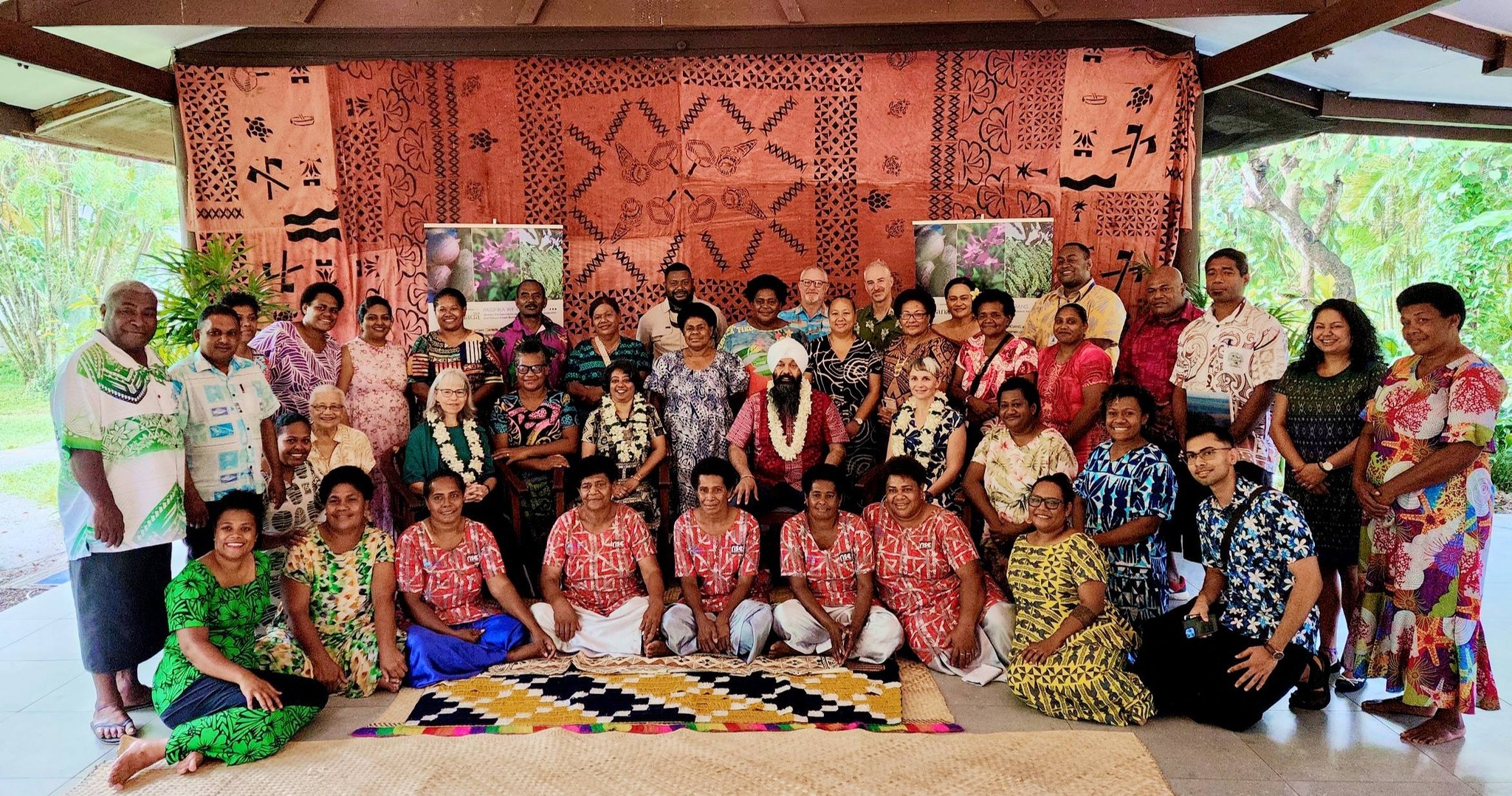
Regional scope is a key feature of the project, with Fiji describing it as a platform for shared learning and stronger Pacific women's voices.
Implementation details in the material place delivery with Alinea International working alongside local partners.
Alinea International Vice-President for Program Delivery, Tanya Salewski, said community leadership would shape what success looks like on the ground.
"Durable climate adaptation must be defined and led by communities themselves," she said.
"Small, targeted investments, paired with strong local leadership, can unlock disproportionate benefits for livelihoods and ecosystems."
Targeted Innovation Fund investments have supported women-led enterprises in Fiji, including South Sea Orchids and South Pacific Coffee.
Those investments were described as supporting climate-adapted infrastructure, processing equipment and training to reduce losses from extreme weather.
The aim is to improve productivity and income security alongside environmental outcomes.
South Sea Orchids Founder and Director, Aileen Burness, said hosting the launch was a marker of practical support for women in business.
"This partnership represents practical, meaningful support that opens doors for families and communities," she said.
Mr Sarai's visit included field visits and meetings focused on Canadian-funded projects and trade opportunities.
The Pasifika WE-GUARDIANS project will run across the three Pacific countries as a multi-year program.
The initiative frames women-led businesses as a pathway to stronger livelihoods alongside ecosystem protection.
"Women-led, nature-based enterprises demonstrate that economic empowerment and environmental protection go hand in hand," Ms Kiran said.
"By investing in women's leadership before disasters strike, we reduce long-term vulnerability, accelerate recovery, and build stronger, more resilient communities."