



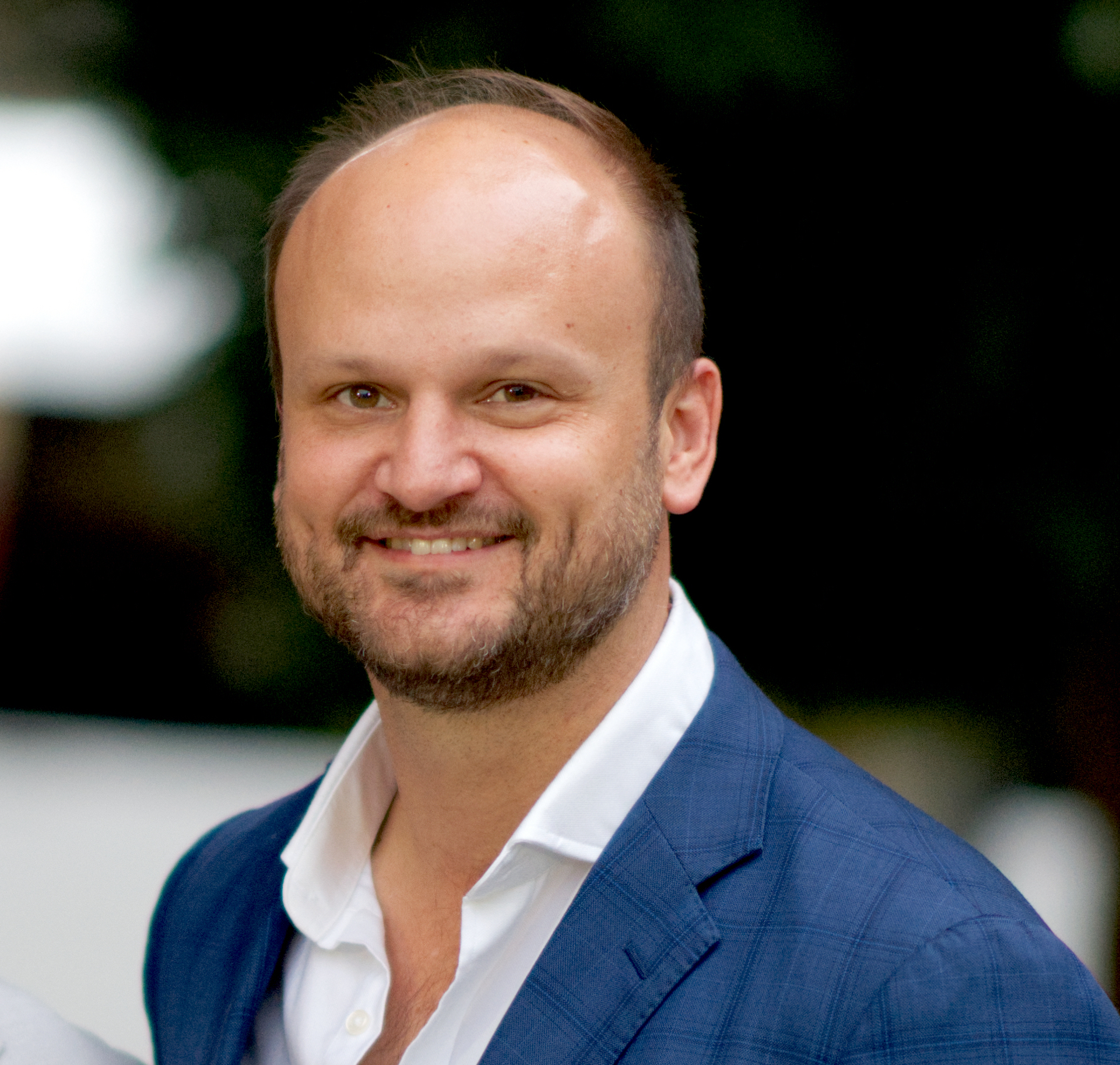

When Darren Godwell took over as Chair of Indigenous Business Australia in January, he inherited an organisation with a proud legacy, a mixed reputation and a narrow remit.
Ten months later, IBA has a new leadership team, a ten-year strategy, and the most significant legislative reforms in its 33-year history. The changes have given it, for the first time, the power to borrow and raise capital on the open market.
At the Blak and Bold conference in Darwin this week, Mr Godwell outlined what that transformation means in practice.
"IBA is changing in purpose, in scale, and in mindset," he said.
"We now have the tools to act like a true development bank for Indigenous Australia."
Mr Godwell, who was appointed Chair in January 2025, said the organisation's new 2030 Strategy, released this month, is built on four pillars: raising, deploying, patient and shaping capital. Together, they are designed to move IBA from a retail lender to a large-scale investor in Indigenous-owned projects and enterprises.
"For fifty years, our people have self-funded their own economic agency through their mortgages and business loans," he told the crowd.
"Now, for the first time, we can take that same discipline into the capital markets."
A New Era of Leadership
Mr Godwell's appointment as Chair, followed by the appointment of a new Chief Executive Officer earlier this year, marks a generational change at the top of IBA. The pair are charged with steering the agency through a period of reform and growth not seen since its establishment in 1990.
In February, amendments to the Aboriginal and Torres Strait Islander Act 2005 removed long-standing restrictions that had prevented IBA from borrowing or issuing debt. The change allows it to act more like a public investment corporation, raising and deploying capital at scale.
"We are no longer limited to recycling the funds we lend out," Mr Godwell said.
"We can now go to the capital markets and raise the funds that our communities need to grow."
He confirmed that IBA is in discussions with the Federal Government about raising a Commonwealth bond in the region of one billion dollars, the first of its kind dedicated solely to Indigenous economic development.
"The goal is to create the right kind of capital, capital that is patient, ethical and aligned with Indigenous values," he said.
"This is about building wealth through ownership, not dependence."
A 2.3 Billion Dollar Foundation
Mr Godwell said IBA enters this new era from a position of strength.
"Our balance sheet now stands at 2.3 billion dollars, and almost 90 percent of our operating budget is funded by repayments from Indigenous clients," he said.
"That tells a powerful story, one of financial independence built from the ground up."
He described that self-funding model as IBA's defining legacy.
"Every home loan, every business loan repaid has built the foundation for what we can now do," he said.
"This transformation belongs to those who came before us."
Under the new strategy, IBA plans to mobilise between five and seven billion dollars over the next five years, leveraging that foundation to attract both public and private investment.
Four Pillars for Growth
The first pillar, raising capital, focuses on building partnerships with Treasury, Finance and major financial institutions to unlock new funding sources, including the proposed bond issue.
The second pillar, deploying capital, commits IBA to invest directly in projects that deliver economic and social returns, particularly in housing, renewable energy, infrastructure and Indigenous enterprise.
"Capital must flow where it creates the most impact and aligns with First Nations economic goals," Mr Godwell said.
The third pillar, patient capital, will target intergenerational investments such as community-owned housing portfolios and equity stakes in long-term assets.
"Transformational change takes time," he said. "We are thinking in decades, not quarters."
The fourth pillar, shaping capital, involves creating an Office of the Indigenous Economy to collect and publish regular data on Indigenous businesses, workforce participation and investment performance.
"Reliable data drives confidence and transparency," he said.
Culture of Confidence
Internally, the shift also marks a cultural renewal. The new CEO, has been tasked with modernising IBA's operations and aligning its workforce with its expanded investment mandate.
Mr Godwell said the combination of new leadership, new laws and a clear long-term plan has energised the organisation.
"IBA is full of people who want to make a difference," he said.
"What is changing now is the scale of what is possible."
He emphasised that IBA's next decade will focus on partnerships, not only with government, but also with Indigenous chambers, investors and private sector institutions.
"We want to work alongside others who share our vision of an Indigenous economy that is powerful, productive and proud," he said.
A Chance to Do Things Differently
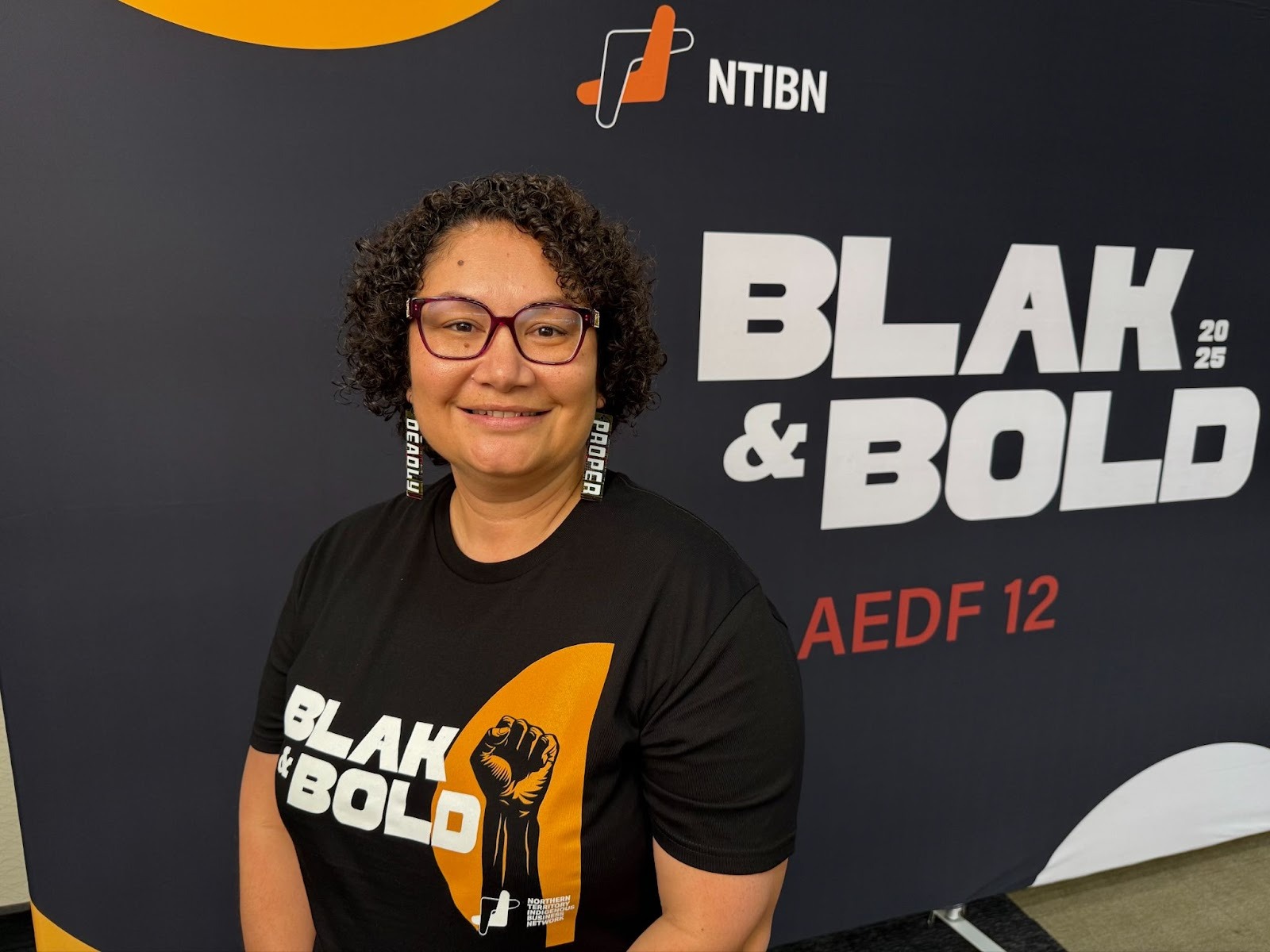
Naomi Anstess, Chief Executive of the Northern Territory Indigenous Business Network, said she sees the new direction as a turning point.
"It is great to see new leadership, new legislation and a new strategy all coming together," she said.
"This is a chance to do things differently."
Ms Anstess said IBA's challenge will be to ensure the benefits reach beyond traditional owner corporations to the thousands of smaller Indigenous-owned enterprises across the country.
"There are amazing businesses out there, construction firms, service providers, logistics companies, that have proven they can succeed," she said.
"IBA now has the capacity to help them scale."
She added that under Darren Godwell's leadership, the organisation appears willing to take on more calculated risk.
"That is what is needed," she said. "
Aboriginal businesses are statistically more likely to succeed than non-Aboriginal ones in their early years. IBA can afford to be bolder."
Charting a New Path
For Mr Godwell, the reform is about more than finance. It is about restoring control over capital to Indigenous hands.
"We want Indigenous Australians to be investors, not just participants," he said.
"To own the infrastructure, not just build it."
He closed his Darwin address with a challenge to business and government alike.
"Access to capital has always been the missing piece. Now that we have it, the question is how we use it and how we make sure the benefits flow back to Country."