




In 2016, a new Australian wine label was born with a bold vision – to celebrate Indigenous culture through the medium of wine, and in doing so, challenge stereotypes.
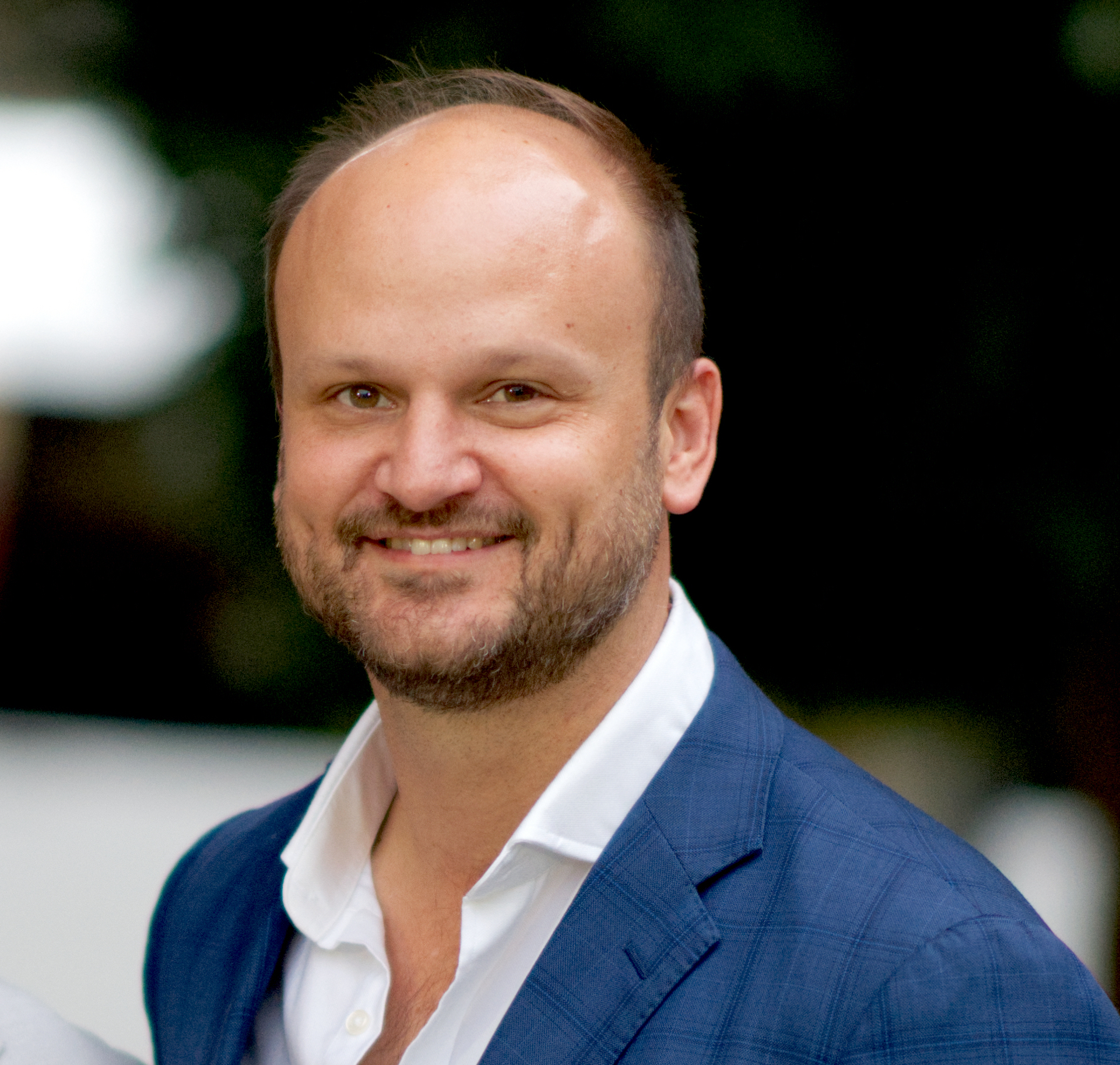
Mt Yengo Wines, co-founded by Gary Green and Ben Hansberry, is widely recognised as Australia's first majority First Nations-owned wine brand. What began as a small operation has rapidly grown into a business selling thousands of cases a year across Australia and overseas.
Co-owner Wayne Quilliam, a Palawa man and renowned Aboriginal photographer and artist, calls Mt Yengo "a legacy piece" – one that proves Indigenous enterprise can thrive globally while staying true to culture.
From Gondwana to Mt Yengo: Origins and vision
The journey began when Green and Hansberry, long-time friends from the rugby field, recognised a shared goal. Green wanted to overturn the persistent stigma linking Indigenous people and alcohol misuse, while Hansberry, who had helped bring Patrón Tequila to Australia and was exporting wines to China, had the industry know-how to build a brand.
"Gary felt … why is there always a bad stereotype with Indigenous people and alcohol? So, we thought we'd create an Indigenous-focused brand that celebrates Indigenous art and culture and also doesn't alienate Indigenous people with alcohol," Hansberry recalls.
Their first label, Gondwana Wines, sold in small quantities, often to corporates. A few years later, they met Quilliam, whose artwork had already appeared on their bottles. He was drawn to the project's potential and bought into the business in 2019, helping reimagine the brand as Mt Yengo Wines.
Named after the sacred mountain in the Hunter Valley where the creation spirit Baiame is said to have returned to the sky, the brand was grounded in cultural heritage and storytelling from the outset.
Quilliam calls the name both symbolic and aspirational: "It's the dream – to one day open a cellar door and cultural centre near Mt Yengo itself, in partnership with the Wonnarua people".
Culture at the core
For Quilliam, one of Australia's most exhibited Aboriginal artists, Mt Yengo became a new canvas. "My passion was to share our art and culture and find a new medium to get our stories out," he says.
His label artworks are drawn directly from Country – sand dunes, songlines, and ancestral stories become striking images on bottles.
"I can only ever create art when I'm on Country," Quilliam explains. "It's not like I can sit in a studio and just create. The inspiration comes when I'm out photographing, droning, or working with communities".
The result is wine that carries not only flavour but story. Each bottle is a bridge between ancient culture and contemporary enterprise.
"We use storytelling to bring people in to embrace who we are as a culture and how strong our brand is," Quilliam says.
From dozens to thousands
At the beginning, Mt Yengo moved just 10–20 cases a month. Today, it sells more than 5000 cases annually, with wines poured everywhere from corporate boardrooms to cruise lines. The range spans a premium Adelaide Hills series (sparkling, Sauvignon Blanc, Pinot Gris and Shiraz) and an accessible collection including Shiraz and Sauvignon Blanc.
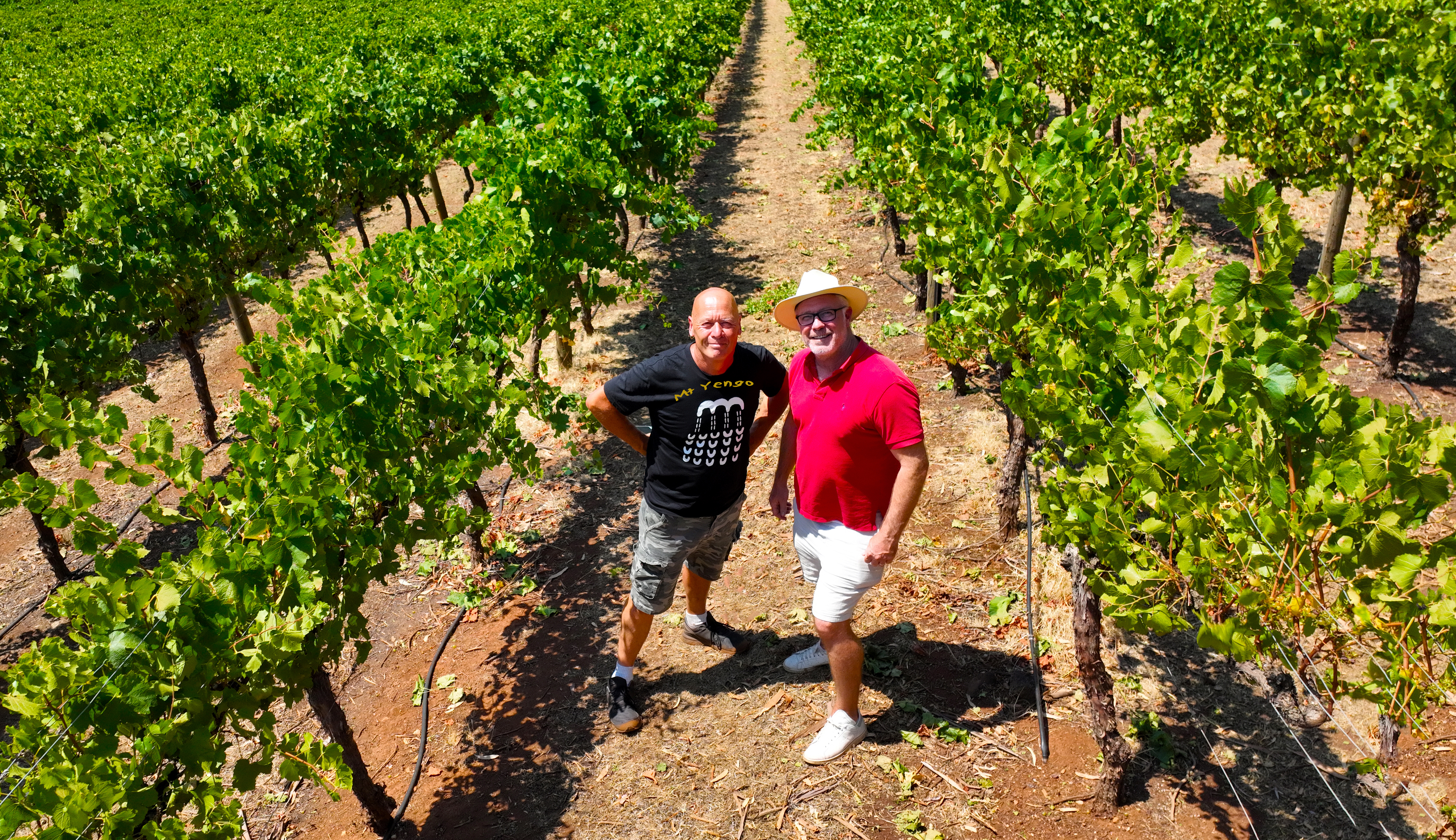
Hansberry manages the supply chain and production, building relationships with growers in regions such as the Riverina and Adelaide Hills.
"He (Wayne) works hard on the design and promotion side; I work hard on the actual wine side, and we come together for the story," Hansberry explains.
Celebrity endorsements have followed: at Vivid Sydney, Nigella Lawson blind-selected Mt Yengo's sparkling for her dinner series. Byron Bay Gifts has included thousands of bottles in corporate hampers. And the brand has become a fixture in cultural events, sponsoring the Sydney Film Festival and the Sydney Fringe Festival.
Wine with purpose
From day one, Mt Yengo has built giving back into its business model. A portion of the proceeds from every bottle sold goes to the National Indigenous Culinary Institute. To date, the company has contributed about $50,000 to Indigenous causes, in addition to significant wine donations for events.
"As we grow, we want to bring in more artists and give them new pathways," Quilliam says.
Hansberry adds: "People assume we must be getting handouts, but the truth is we've never received one cent of government support. In fact, we've given away about $50,000 to community initiatives".
Supporting young chefs like NICI alumnus Luke Bourke, who was recently named 2025 Young Chef of the Year, is just one example of how the model creates a lasting impact.
Challenges and changing perceptions
Despite its success, the company has faced resistance. A social media campaign earlier this year was derailed by racist trolling.
Quilliam calls success itself a form of defiance.
"If we create a strong Indigenous narrative through business, it gives people the opportunity to walk with us," he says.
Hansberry, who is not Indigenous, says the venture has been an education.
"I had very little knowledge of Indigenous art and culture before this. For me, learning so much from Wayne and Gary has been a blessing."
Global horizons
Mt Yengo is now exporting to the US, with wines available in more than 10 states. The team is pursuing opportunities in Britain, Europe, and Canada, where discussions with First Nations leaders are under way. Quilliam describes this as "Black-to-Black trade": partnerships that link Indigenous communities across borders.
Talks are also in motion in Fiji and Malaysia, where resort groups have shown interest.
"All these fledgling markets – it's about how we can share our culture and work with other Indigenous peoples around the world," Quilliam says.
Coles partnership: Scaling the vision
While the cultural vision defines Mt Yengo, corporate partnerships have helped scale it. The most significant has been with Coles Liquor, which has ranged Mt Yengo wines in Liquorland for more than five years.
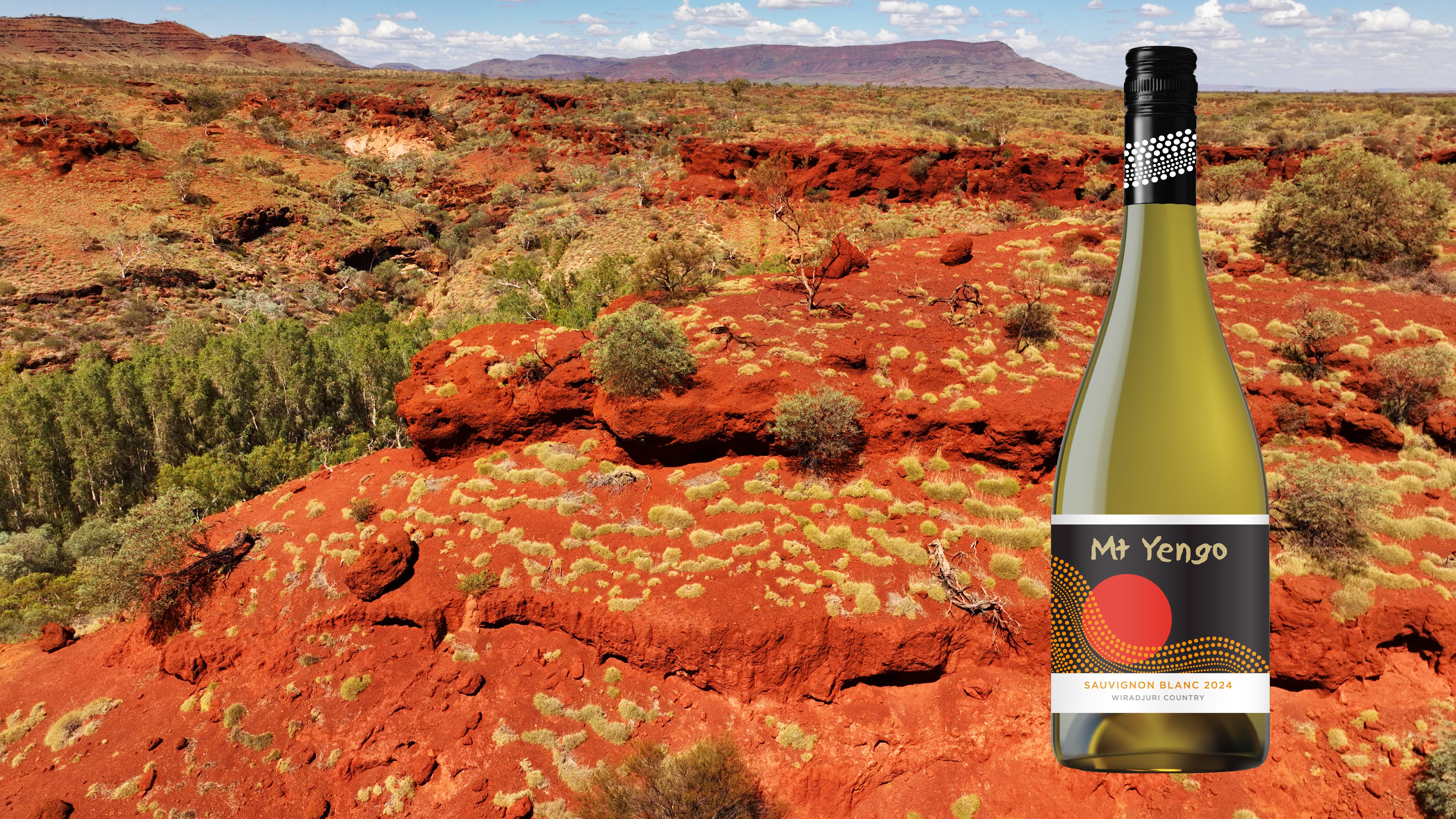
In 2023, Coles collaborated with the winery to redesign the labels, ensuring they captured shoppers' attention and clearly signalled their Aboriginal identity. Quilliam worked with Coles' marketing team to produce designs that "people could easily walk by and say, that's an Aboriginal wine label".
Coles head of Indigenous affairs and proud Kamilaroi woman, Sara Stuart says the company is "committed to helping First Nation suppliers benefit from our supply chain and providing them with a platform to reach more customers across the country and ultimately help to upscale their productions".
"By building long-term partnerships with Indigenous-owned suppliers just like Mt Yengo, we can win together; by delivering products we know our customers love whilst making a positive difference to Indigenous communities," she says.
"Coles has partnered with Mt Yengo for more than five years and is increasing its ranging across our national stores in the coming months to help get their wines into the hands of more Australians".
Today, Mt Yengo Sparkling NV, Sauvignon Blanc and Shiraz are available online nationally via Liquorland and in selected stores – a partnership that has given the brand reach it could never have achieved on its own.
A legacy in the making
Both Quilliam and Hansberry are committed to inspiring the next generation of Indigenous entrepreneurs.
Quilliam reflects: "Find your passion, but be prepared to learn and be prepared to make mistakes. Every mistake I made, I became stronger and more knowledgeable".
Hansberry agrees that patience is vital: "It took us five years to get into one of our largest distributors. You have to be prepared for the long game".
From a handful of cases to a growing international footprint, Mt Yengo is now a symbol of Indigenous enterprise done differently.
As Quilliam puts it: "We want not only Australia, we want the world to walk with us".