



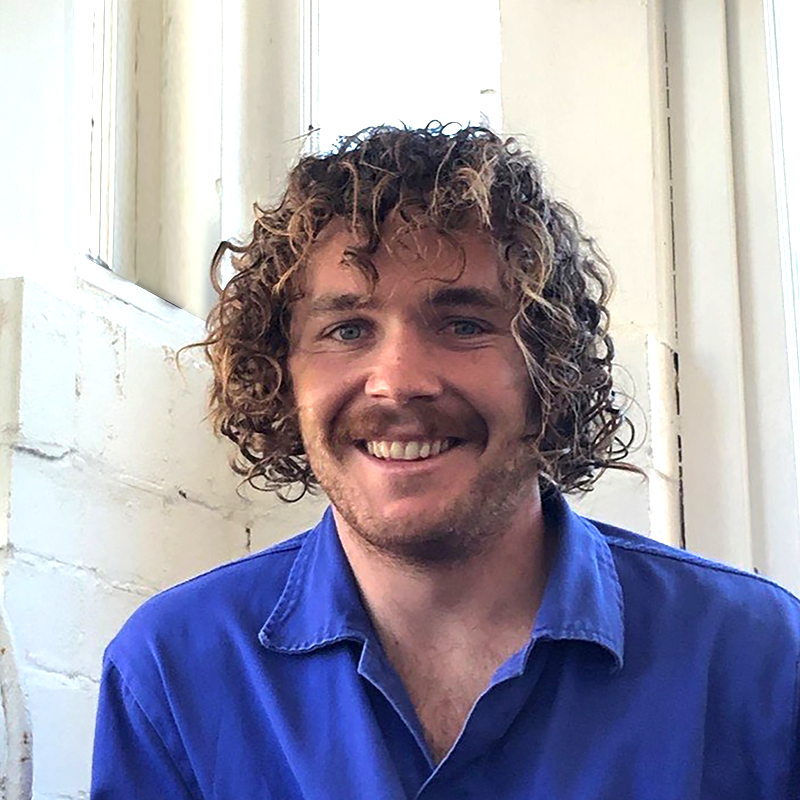

When Worimi Elder Michelle Perry took part in specialised Indigenous land management training, the influence it had on younger generations inspired her to go out on her own to take it further.
Aunty Michelle completed a block learning Certificate III in Conservation and Ecosystem Management with a group of 11 in her community at Karuah, just north of Newcastle. Some had come back home from interstate to take part.
She's started Perry's Aboriginal Corporation, hoping to further support younger generations to learn more, strengthen cultural knowledge and get out working on Country.
A big part of the value Aunty Michelle saw in the Certificate III was "the fact that these young people now want to be working out on Country".
"They're so keen to learn and be a part of it. That's what made me give up my job to help pursue this field," she told National Indigenous Times.
Aunty Michelle's group were participants in the program blending western science and Aboriginal fire practice into land restoration, ecological management and cultural burning education.
The 12-18 month programs are delivered by Hunter Valley-based rural industries training provider Tocal College, with educators travelling out to the students in partnerships with Aboriginal Land Council's, Local Land Services and Elders.
It brings in specialised trainers and industry experts, from ecologists and the Rural Fire Service to Aboriginal cultural officers.
Tocal College is operated by the NSW Department of Primary Industries and Regional Development.
The Indigenous Land Management Training program is part of the Department's Aboriginal Outcomes Strategy.
Student cohorts of around 20 are currently taking place in Armidale — including students from Walcha and Inverell, and Moama on the NSW-Victoria border with students from Cummeragunja, Yorta‑Yorta, Moama and Pangerang communities and land council's.
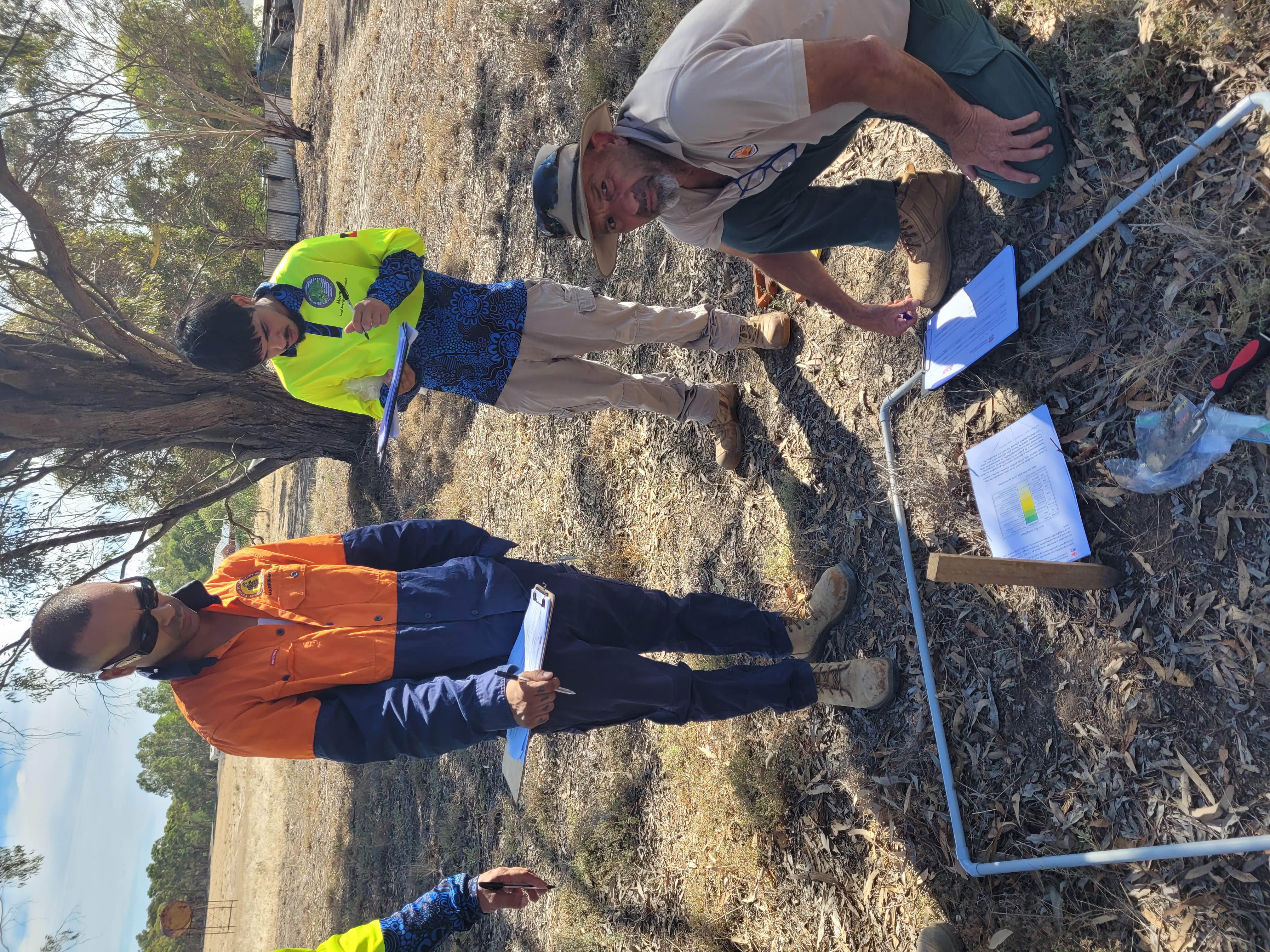
Aunty Michelle said there was an obvious love for the experience, getting hands-on training with classroom theory.
She added the cultural competency from educators was strong.
"It's all new to us, and we're learning... and he was obviously taking notes from us too, on different perspectives," Aunty Michelle said.
Aunty Michelle said input from her group will go a way to help inform how the program is delivered going forward.
"The blended approach ensures participants gain the technical skills required for modern land management roles, while grounding all learning in Aboriginal cultural knowledge," Department of Primary Industries and Regional Development education delivery manager Julie White said.
"Participants learn how cultural burning supports healthy Country, how traditional practices can be applied in contemporary land management, and the compliance requirements now expected across government and industry.
"Our aim is to build confidence, capability and employment pathways for Aboriginal communities by delivering a nationally recognised qualification in a culturally informed way."