




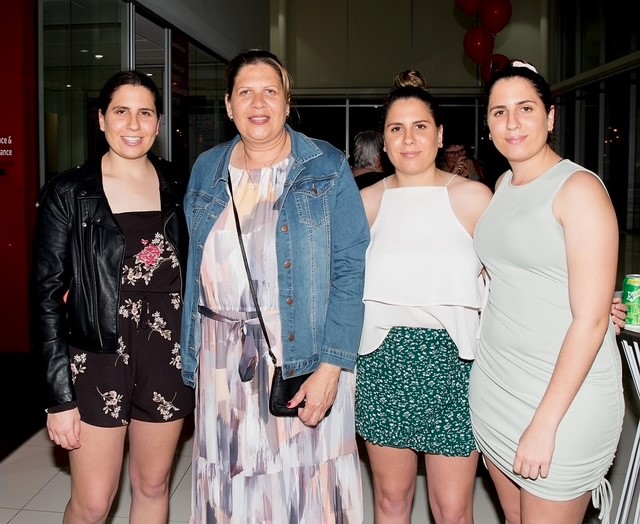
In Port Hedland, access to healthcare has never been straightforward. Distances are vast, services are stretched, and for many Aboriginal families, the health system itself can feel unfamiliar and difficult to navigate. It is a reality the Ramirez-Smith sisters have known since birth.
As premature triplets, Lauren, Roberta and Jacinta were flown to Perth because the local hospital did not have the capacity to deliver them safely. It was an early introduction to a pattern that continues to shape life in the Pilbara: when care is needed, it is sometimes far away.
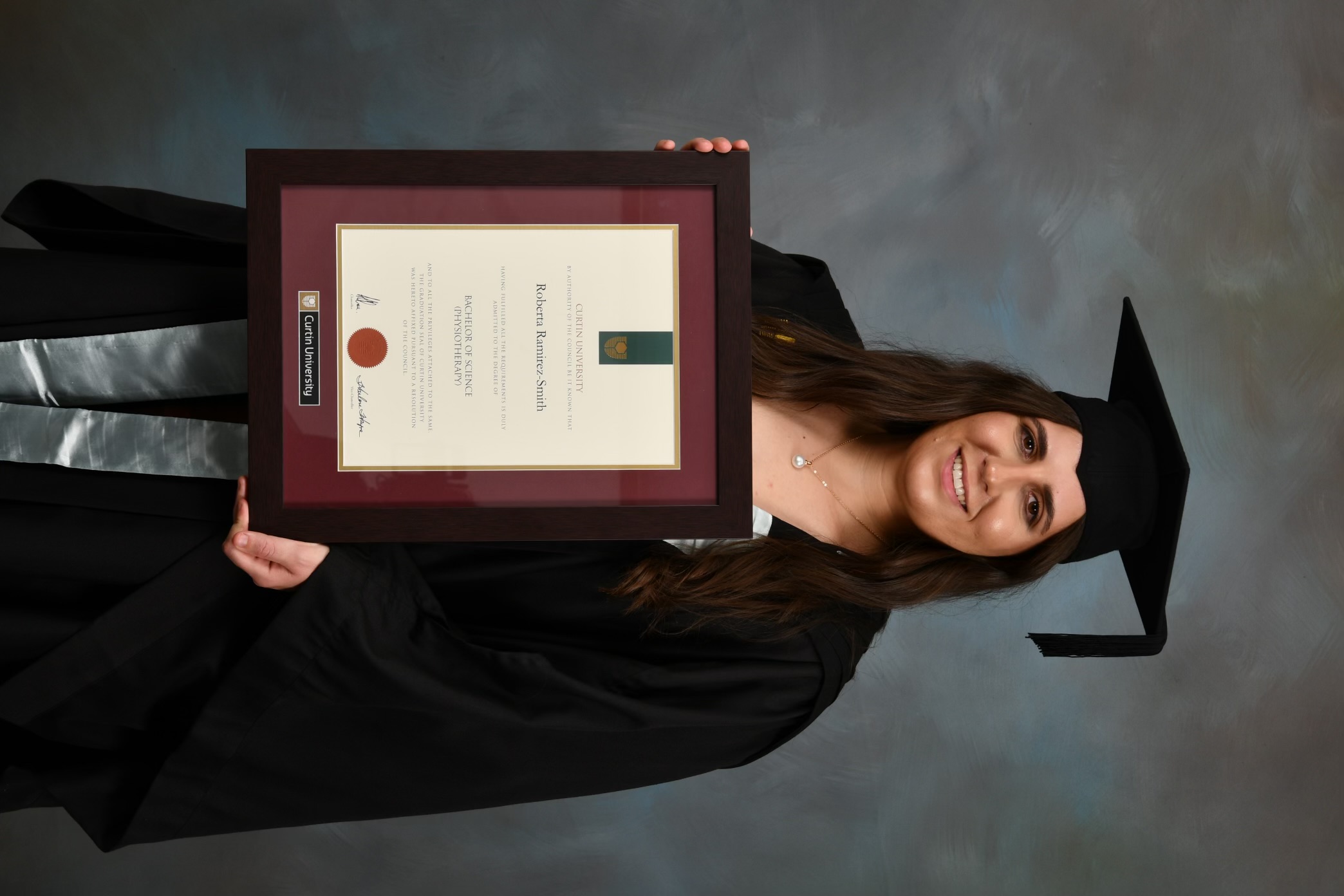
On their maternal grandmother's side, the family are Nyamal traditional owners, with ties to Warragine Station, east of Marble Bar. This connection to Country and community remains central to the sisters' sense of responsibility. Today, two of the sisters have returned as qualified physiotherapists, determined to shift the long‑standing equation that sends Pilbara families away for care.
What they are building through Universal Physiotherapy & Wellness is more than a clinic. It is a strategic intervention in a region where health outcomes are shaped as much by geography and culture as by clinical need. Their model blends evidence‑based physiotherapy with cultural safety, community trust, and a preventative‑health mindset rarely embedded in private practice.
Their pathway into physiotherapy began through sport. Both sisters competed in the WA Netball League and experienced serious injuries, including ACL ruptures that required surgery and rehabilitation.
"We were rehabbed by great physios and that's when the idea sort of popped in our head," they said. What began as an interest in sport and recovery evolved into something broader. University training exposed them to the full scope of physiotherapy, and with that came a recognition of its potential impact in remote communities.
Returning home shifted that understanding again. In the Pilbara, physiotherapists cannot specialise narrowly. They must operate as generalists, responding to a wide range of needs across a population that often has limited access to healthcare.
"We call ourselves rural physio generalists... because of that lack of health care services," they said.
For Lauren, the decision to pursue physiotherapy was shaped not only by sport, but by what she observed growing up.
"Being Indigenous growing up in the Pilbara and actually first-hand seeing the lack of Indigenous support around healthcare... I wanted to be a physio to help our people bring that cultural safety and that cultural awareness into healthcare," she said.
Cultural safety is the operational core of their business. Many barriers faced by Aboriginal patients are relational, not clinical. Language differences, communication styles, and unfamiliar environments can make appointments feel inaccessible. Cultural safety is a practical necessity. Many of the barriers faced by Aboriginal patients are not clinical, but relational.
"There's a big language barrier... so Aboriginal people when going to an appointment might not understand anything that's being said," Lauren said. It's a simple recognition that for many Aboriginal people, English is a 2nd or a 3rd spoken language.
She also pointed to differences in communication styles, including eye contact, body language and avoidance issues, as factors that shape whether patients feel comfortable engaging with care.
The result is reflected in attendance patterns across the region. Missed appointments are common, but the reasons behind them are complex and often misunderstood.
In this context, representation becomes a form of access. The presence of Aboriginal practitioners changes the dynamic.
"So naturally being an Aboriginal healthcare worker, you're naturally going to attract more of that Aboriginal population to see you because they're already going to feel culturally safe," Lauren said.
This is not incidental. It is central to the strategic purpose of the business.
"Our number one goal... is to get our mob to get the preventative health care that they need," she said.
The clinic itself is modest in scale. Located in Port Hedland, it currently operates with two treatment rooms and is staffed by the sisters themselves. It has been open for just over two months, but demand is already building, largely through word of mouth.
"In small towns, it is word of mouth... that's probably the biggest way it gets around," they said.
Their service offering is broad: musculoskeletal physiotherapy, sports injury rehabilitation, NDIS services, women's and men's health, and pre-employment assessments. In a region like the Pilbara, this breadth is not optional.
Growth plans are already in motion. In the medium term, they aim to expand the clinic, hire additional practitioners, and establish a dedicated gym and pilates space at the rear of their clinic.
"We have a big space at the back... and from there we want to open group based exercise classes," they said.
These plans are tied to a specific vision: creating environments where Aboriginal people feel comfortable participating in exercise and rehabilitation.
Longer term, the ambition extends beyond Port Hedland. The sisters are considering additional clinics across the Pilbara as part of a broader effort to improve access across the region.
Even in these early stages, structural challenges are clear. Among them, one stands out.
"It's getting transport for our Indigenous clients into clinic... that's a big one," they said.
Without reliable transport, even the most culturally appropriate service can remain out of reach.
At 27, the Ramirez-Smith sisters are at the beginning of what is likely to be a long-term commitment to the region. They expect to remain in the Pilbara into the future, building both their business and its impact.
Their story reflects a broader shift taking place across the country: the move by Indigenous Australians from participation in the workforce to ownership of enterprise.
In Port Hedland, that shift is already visible. It's in a modest clinic with two treatment rooms, built by three sisters and guided by a clear sense of purpose.
To bring healthcare home. To make it culturally safe. And to ensure that the next generation of Pilbara families can access care without leaving Country.