





Representatives from the Aboriginal cultural tourism and other business sectors gathered at the Murrook Culture Centre on Worimi Country, Port Stephens, on Thursday for the eighth New South Wales Aboriginal Business Roundtable.
The event highlighted the importance of empowering First Nations-led tourism and businesses, with panellists championing economic independence and self-determination.
Hosted by Aboriginal Affairs NSW and Destination NSW, the event focused on four key themes: creating new pathways, boosting Aboriginal cultural tourism in NSW, outlining the benefits of collaboration between businesses, and empowering regional Aboriginal businesses.
This year's roundtable was guided by the theme 'Walking together to create cultural tourism experiences', reflecting a shared commitment to growing authentic, collaboratively-led tourism opportunities across the state.
The NSW government said this commitment reflects their reaffirmed support for Aboriginal businesses, as outlined in Closing the Gap's Priority Reform 5.
Panellists included Andrew Smith, CEO of Worimi Local Aboriginal Land Council and operator of Sand Dune Adventures; Sharon Winsor, a Ngemba Weilwan woman, founder and CEO of Indigiearth and member of the Aboriginal Business Taskforce; and Phil Lockyer, Head of Indigenous Affairs at Tourism Australia. Yuin-Ngarrug man Dwayne Bannon-Harrison, Chair of the NSW Aboriginal Tourism Operators Council, also delivered the keynote address.
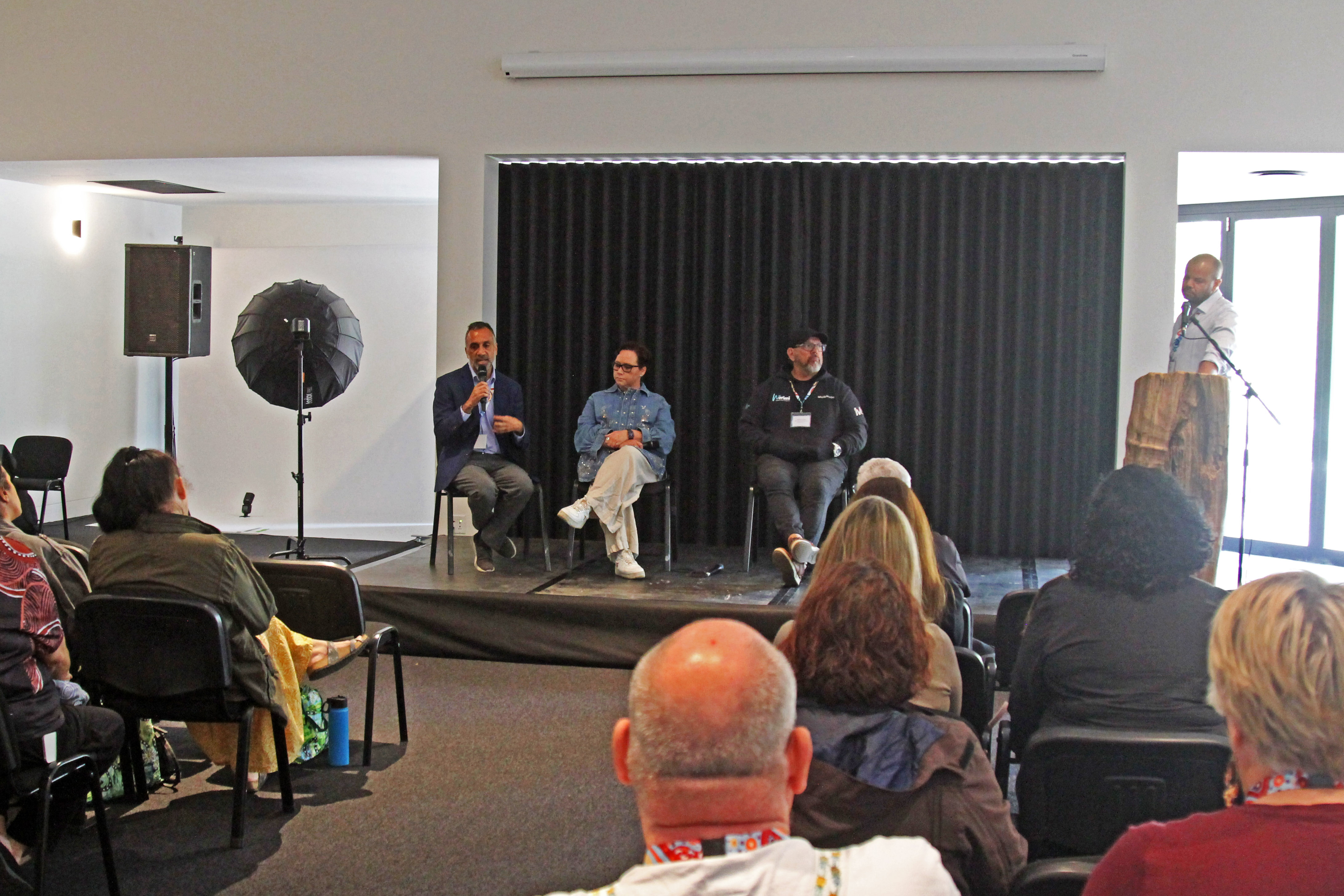
The panellists shared insights on how First Nations-led tourism businesses are not only preserving culture but also driving economic empowerment and self-determination for First Nations communities across NSW.
"As an Aboriginal-owned and operated business, we know the importance of tourism and how, with a good business and marketing plan, including a good product, can provide many benefits including training, employment and economic opportunities for Aboriginal people," Mr Smith said.
"Why is it important for people to have an Aboriginal experience? Because they need to understand that they are custodians of this country. If they're going to live, eat, play, work and sleep on this land and draw from the same energy that Mother Earth gives to me, then they need to think, act and respond the way that I do to Mother Earth, and understand and appreciate their cultural responsibility.
"You do that by coming into a relationship with Aboriginal people…have real conversations, and do some truth talking and truth listening.
"We are resilient. We are thriving, not just surviving, and we're doing great things, and this conference today is about all of that…I love that the Labor Government is getting behind us. I love that Aboriginal Affairs has chosen to host it here. I love that Destination NSW is utilising this space for this facility."
Ms Winsor also emphasised the importance of First Nations empowerment and independence in positive business growth. Reflecting on the success of Indigiearth, Ms Winsor attributed its success to its freedom to create opportunities through Indigenous-led initiatives autonomously.
"It's the opportunities that we were able to create for ourselves through business…to be able to have a platform to do things by us, for us, rather than us being told how to do it," she said.
Ms Winsor also emphasised that a collaborative approach to business, uniting First Nations communities and non-Indigenous people, is integral to creating shared economic opportunities.
"Our culture is here for everyone to embrace. We have never said we don't want people to be part of our culture. We want to bring people together to engage with us, learn to be part of our great country as all Australians, embrace our culture, care for this beautiful land, and share what we have to offer on a cultural level," she said.
Local and state Government representatives supported the words of panellists, with Member for Port Stephens Kate Washington commending Worimi Local Aboriginal Land Council's Sand Dune Adventures as an example of a successful First Nations business.
"Worimi Local Aboriginal Council has done so well to create such a successful business, employing and empowering local Aboriginal people whilst also attracting many visitors to Port Stephens.
Speaking at the event, Ms Washington said: "What we are seeing here today is Aboriginal business owners, operators and entrepreneurs coming together to talk about the importance of Aboriginal businesses in New South Wales thriving and driving that economic opportunity and self-determination that comes from it."
"New South Wales Government is supporting Aboriginal businesses in New South Wales. We've got significant growth in Aboriginal businesses here, and it's part of our work and our dedication to driving out the priority reform number five under the Closing the Gap agreement, priority reform number five is unique to New South Wales," she said.
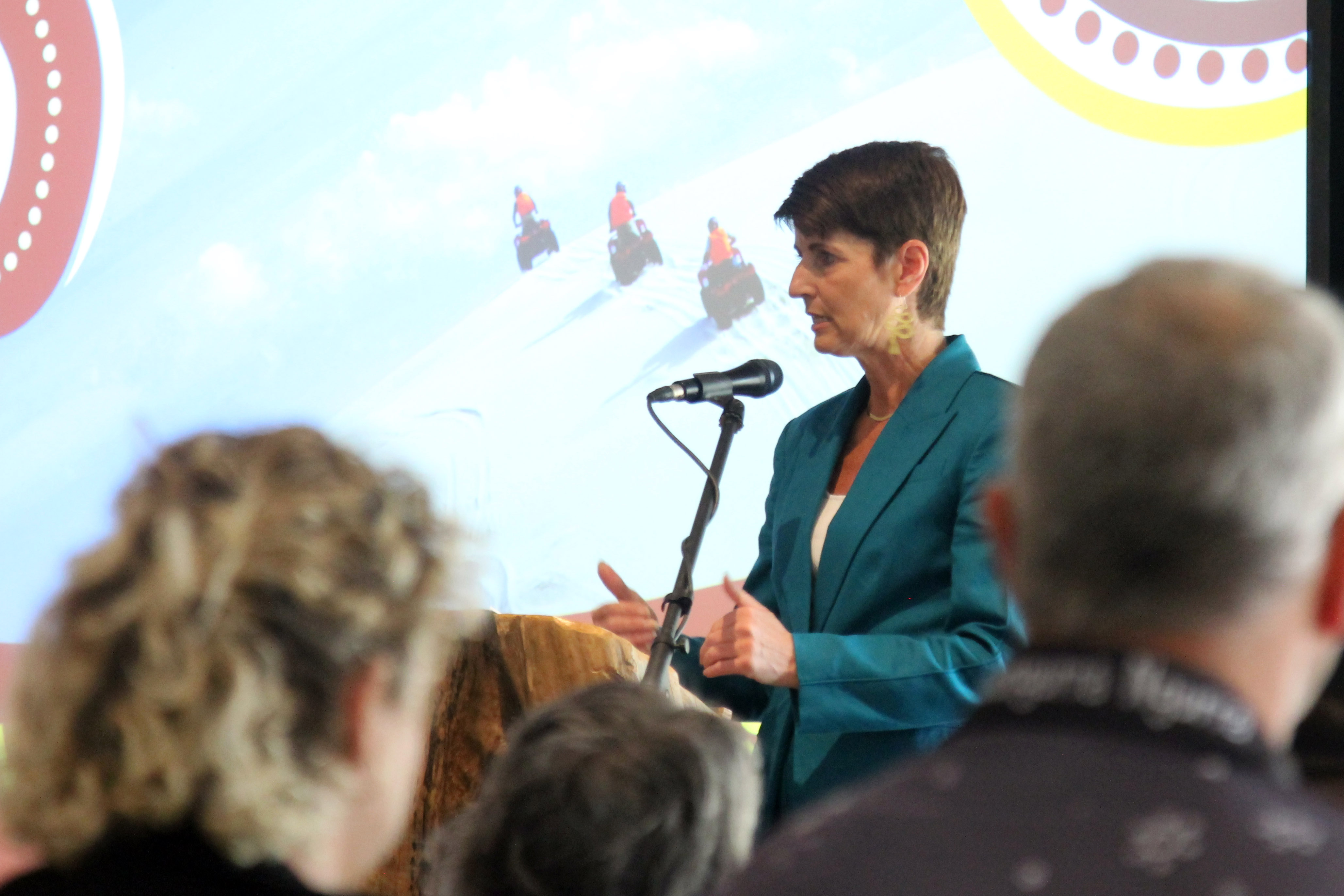
Minister for Aboriginal Affairs and Treaty David Harris highlighted the value of the roundtable in strengthening connections and supporting the long-term growth of Aboriginal cultural tourism.
"The Aboriginal Business Roundtable was a great opportunity for Aboriginal business owners to get together and yarn about the strengths, challenges and future of the cultural tourism industry," he said.
"When the Aboriginal business sector is strong, it delivers prosperity and better outcomes to help Close the Gap for Aboriginal people with benefits that ripple out to the broader community.
"The NSW Government will take the learnings from the event to optimise continued support for the growth and success of the sector."
The roundtable reinforced that supporting First Nations-led businesses, such as those in cultural tourism, is about more than economic growth - it can foster cultural respect, community cohesion, and shared opportunity for all Australians.