





The Choctaw Nation of Oklahoma generated an estimated US$4.1 billion in economic impact in 2023, supporting nearly 27,000 jobs across the state, according to newly released figures that underscore the growing economic influence of tribal governments in the United States.
The analysis, compiled as part of the nation's regular economic reporting, illustrates the scale at which modern tribal enterprises operate, combining government services, commercial businesses and large employment bases that extend far beyond their own citizens.
For the Choctaw Nation, the numbers reflect a broad economic ecosystem that includes gaming, hospitality, healthcare, retail, construction, professional services and community programs across southeastern Oklahoma.
Together, these activities are estimated to support 26,847 jobs statewide, including both direct employment within the nation's operations and indirect employment generated through supply chains, contractors and associated industries.
A major regional employer
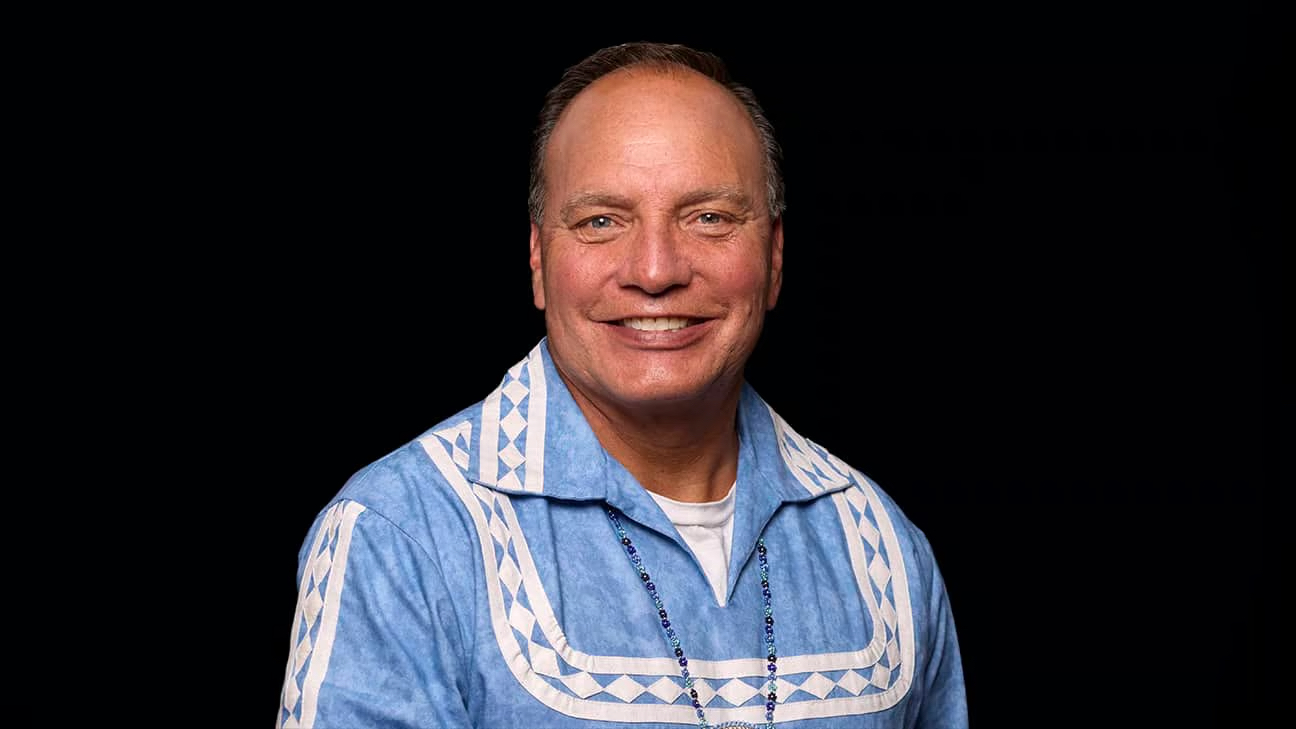
Choctaw Nation Chief Gary Batton said the figures demonstrate the nation's role not only as a government serving its citizens, but as a major economic driver for the wider region.
"Every job created and every dollar spent reflects our commitment to building opportunities for our tribal members and strengthening the communities where we operate," Batton said when the findings were released.
The Choctaw Nation is one of the largest federally recognised tribes in the United States, with more than 230,000 enrolled citizens, and operates one of the most extensive tribal business portfolios in the country.
Its business operations include Choctaw Casinos & Resorts, which has grown into a major hospitality and tourism network across Oklahoma, alongside a range of diversified commercial ventures.
Tribal economies expanding beyond gaming
While gaming remains an important pillar of many tribal economies in the United States, tribes such as the Choctaw Nation have increasingly diversified their economic strategies.
Today, Choctaw enterprises span sectors including manufacturing, information technology, defence contracting, construction and professional services, in addition to tourism and hospitality.
The economic impact study found that tribal spending flows widely across the state economy, supporting suppliers, small businesses and contractors across multiple industries.
This multiplier effect means tribal economic activity contributes significantly to state and regional economies, particularly in rural areas where large employers can be limited.
A model of Indigenous-led economic development
For many observers, the scale of the Choctaw Nation's economic footprint highlights the potential of Indigenous-led economic development when supported by strong governance, long-term planning and sovereign economic rights.
In the United States, tribal governments operate under a framework of tribal sovereignty, allowing them to establish enterprises, negotiate commercial partnerships and operate government services for their citizens.
This framework has enabled several tribal nations to build substantial economic bases over the past three decades, particularly following the expansion of tribal gaming under the Indian Gaming Regulatory Act of 1988.
Yet many tribal leaders emphasise that the ultimate goal extends beyond gaming revenues.
Economic development strategies increasingly focus on diversification, long-term asset creation and employment pathways for tribal citizens.
Lessons for Indigenous economic policy
The Choctaw Nation's economic results are also attracting attention internationally, particularly among Indigenous organisations exploring models for economic self-determination.
Across Australia, Canada and New Zealand, Indigenous economic development has accelerated through land rights agreements, native title settlements and Indigenous procurement policies.
However, few Indigenous nations outside the United States have yet reached the scale of commercial activity seen among major American tribal enterprises.
For policymakers and Indigenous business leaders internationally, the Choctaw experience illustrates how sovereign economic rights, combined with diversified business development and professional management structures, can generate substantial regional economic benefits.
Community investment at the core
Choctaw Nation leaders say the economic impact figures ultimately translate into investments in housing, healthcare, education and cultural programs for their citizens.
Revenue generated through tribal enterprises helps fund public services across the Choctaw Nation's ten-and-a-half county jurisdiction in southeastern Oklahoma.
This includes programs supporting workforce development, healthcare access, youth initiatives and infrastructure development in rural communities.
For Chief Batton, the results reflect a long-term strategy centred on community prosperity.
"Our success is measured not just in economic numbers," he said, "but in the opportunities we create for our people and the strength of our communities."
Indigenous enterprise at global scale
For international observers of Indigenous economic development, the Choctaw Nation's US$4.1 billion impact offers a striking example of the economic scale Indigenous governments can achieve.
As Indigenous nations around the world expand their role in major industries, investment funds and international trade, tribal economies in the United States continue to provide some of the most advanced examples of Indigenous-led commercial development. In many regions, they are becoming central drivers of growth, employment and regional development.
The Choctaw Nation
The Choctaw people are one of the original Indigenous nations of the southeastern United States, with ancestral homelands across what are now Mississippi, Alabama and Louisiana. Long before European arrival, the Choctaw maintained complex political systems, agricultural economies and extensive trade networks throughout the region.
In the early nineteenth century, the Choctaw Nation became the first Native American nation to be forcibly removed under the United States' Indian Removal policy. Following the signing of the Treaty of Dancing Rabbit Creek in 1830, thousands of Choctaw people were compelled to leave their homelands and relocate west to what is now Oklahoma. The journey, undertaken under harsh conditions, resulted in significant loss of life and is remembered as part of the Trail of Tears.
Despite this injustice and upheaval, the Choctaw rebuilt their nation in Indian Territory, establishing a constitutional government, schools and a functioning legal system. Today, the Choctaw Nation of Oklahoma is the largest of the three federally recognised Choctaw tribes and continues to operate as a sovereign tribal government serving more than 230,000 citizens.