



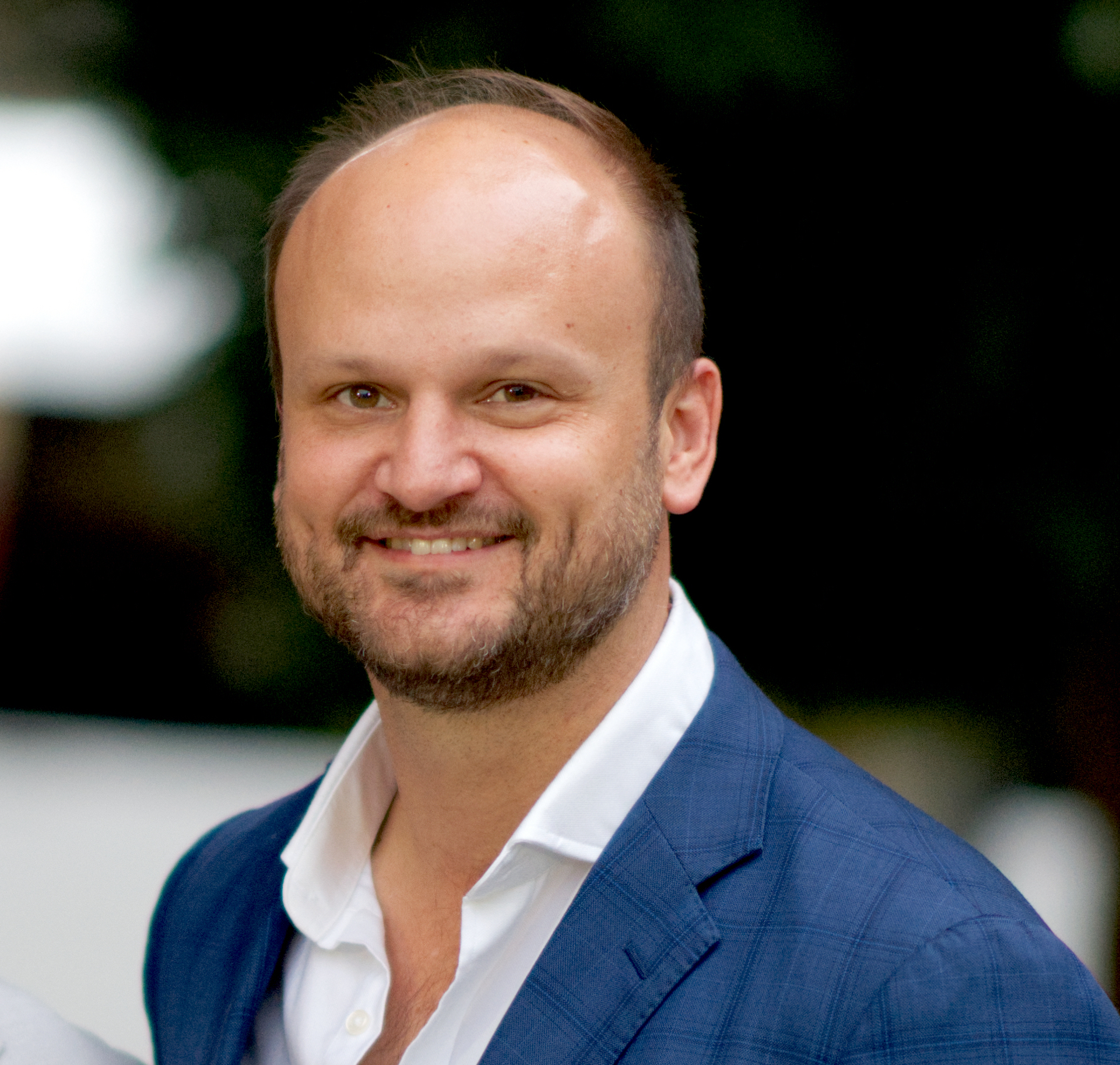

Adam Davids' career has been shaped as much by what he did not see growing up as by what he did.
Raised between southwest Sydney and Wagga Wagga, Davids grew up in communities where sport offered one of the few clearly visible routes to opportunity for Aboriginal boys. He played widely, excelled early, and saw how readily clubs and coaches stepped forward when talent appeared.
What struck him later was the contrast.
"I experienced the positive outreach from presidents of football clubs really early on," Davids reflects. "But I didn't see that same energy coming from other institutions."
That absence of encouragement and expectation has quietly informed the work he has gone on to lead.
Davids is a proud Aboriginal man from Wiradjuri mob through his mother. One of his earliest formative memories comes from primary school, when his school raised the Aboriginal flag for the first time. As the oldest Aboriginal student, he was asked to raise it each day. At the time, it felt ceremonial. In retrospect, he sees it as something more consequential.
"It was the first time I felt I had responsibility," he says. "Something that mattered beyond myself."
At home, Davids watched his mother work in the social sector, supporting women experiencing domestic violence. Those spaces shaped his understanding of service, dignity and accountability. Financial security was fragile. He took his first paid job as soon as he was legally able, working at KFC, and began thinking about how people build futures from modest beginnings.
As a teenager, he arranged a meeting with a financial planner, eager to learn about investing. He suggested he might be able to put together $500. The meeting ended quickly.
"That moment stayed with me," Davids says. "Not because of the money, but because of the message. Aspiration wasn't taken seriously."
By the end of high school, Davids had begun to question the narrow futures often mapped for Aboriginal students. He stepped away from sport and leaned into business studies. Career aptitude tests pointed him towards policing or emergency services. A teacher suggested university. Davids followed the latter advice.
He enrolled in a Bachelor of Commerce at the University of New South Wales and entered a world structured by privilege, networks and inherited confidence. Sitting alongside students from elite private schools, he carried the lived experience of a single-parent household and limited financial security.
The transition was challenging. The academic demands were steep, particularly in mathematics. What sustained him, he says, was conviction and connection. Indigenous centres, scholarships and student networks provided both practical support and a sense of belonging.
As graduation approached, Davids faced a decision familiar to many Indigenous students. He could pursue the most lucrative graduate pathway available, or commit to work grounded in community purpose. At the same time, he had been working with a youth programme in Sydney's south, supporting Indigenous young people through transitions into secondary school. He had also met the founder of a fledgling organisation with a bold proposition, CareerTrackers.
CareerTrackers was founded on a simple but powerful idea. Indigenous university students should not have to rely on chance to access professional networks, paid experience and meaningful career opportunities. Through structured, paid internships aligned with students' fields of study, the organisation sought to bridge the gap between education and professional life.
Davids joined as the organisation's second employee. Over the next decade, he helped shape its strategy, partnerships and national footprint.
"The original language was very direct," he says. "It was about seeing Indigenous Australians in the boardrooms of corporate Australia."
That framing has since evolved to encompass leadership across professions such as science, engineering, finance and law. The purpose, however, remains consistent.
"We are not talking about representation for its own sake," Davids says. "We are talking about excellence. About Indigenous people being present in decision-making roles because they are capable and prepared."
Today, CareerTrackers has supported more than 9,000 internships and built an alumni network of over 1,600 Indigenous professionals. Davids acknowledges that the environment has shifted since the organisation's early days. Reconciliation Action Plans are now common. Indigenous employment pathways exist across banking, government, consulting and resources.
But he is cautious about overstating progress.
Indigenous Australians remain under-represented in senior professional, executive and board roles. "The pipeline has improved," he says. "But the ceilings are still there."
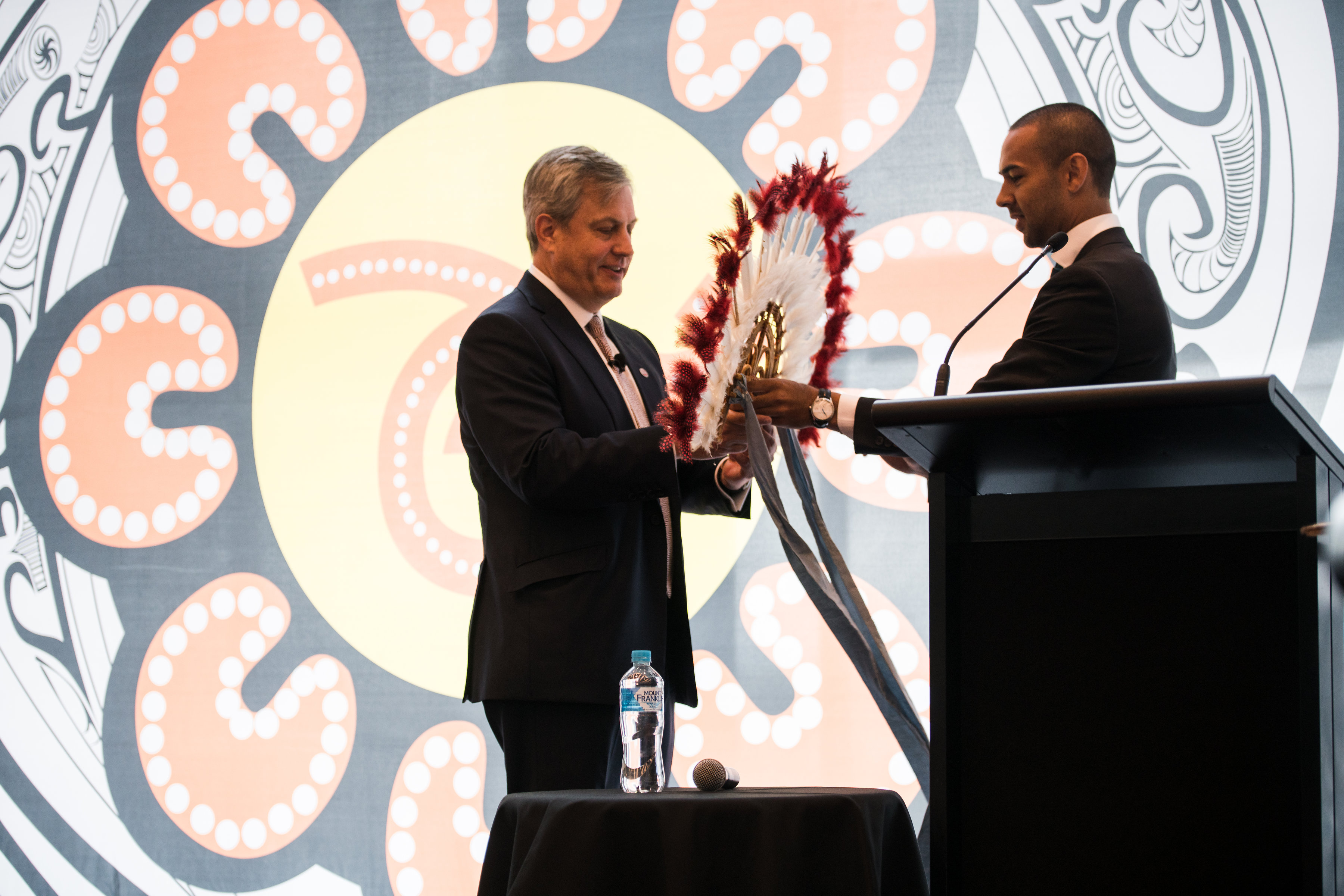
In 2019, Davids' thinking deepened further when he was awarded a Fulbright Scholarship to the United States. His research examined internship-based equity programs that emerged from the US civil rights era and what decades of experience might offer Indigenous economic development in Australia.
That work sharpened his focus on wealth. Not simply employment outcomes, but long-term economic security.
"We talk a lot about participation," Davids says. "But we do not have a clear national picture of Indigenous household wealth. That matters, because wealth (or net worth) is what creates resilience."
Those insights led to the establishment of First Nations Equity Partners, a research-driven initiative focused on measuring how ASX200 organisations perform on First Nations outcomes. The aim is to move beyond commitments and towards tangible results, and to equip institutional investors to act as more informed stewards.
"This is not just a moral conversation," Davids says. "There are real economic and reputational risks for organisations that do not take this seriously."
After returning to Australia, Davids re-entered CareerTrackers as CEO. He describes it lightly as a "summer internship" after his earlier decade of service, but his focus is clear. Scale what works, deepen capability, and prepare Indigenous talent for the next economic transition.
That transition is already underway.
Artificial intelligence and digital transformation are reshaping the workforce, and Davids is concerned that familiar inequalities could be reproduced in new forms. "When generative AI emerged, elite institutions moved quickly to teach it," he says. "Others tried to ban it. That is structural."
His advice to Indigenous students and early-career professionals is practical. Learn the tools, master them, and use them early, while holding on to what matters.
"Listening, respect and responsibility are strengths our people have carried for tens of thousands of years," Davids says. "They are also exactly the qualities future leaders will need."
For Adam Davids, the work is not about opening doors once. It is about building pathways that endure, and ensuring the people who walk them are equipped to stay.