



When proud Larrakia woman Gayle Heron started working with Indigenous Rangers across the Top End, she developed a deeper sense of cultural understanding and passion for protecting Australia's unique environment.
Most of the work Ms Heron is doing involves assisting rangers to monitor and report any flora or fauna that may pose a biosecurity risk to Australia.
"I can't express how good it makes me feel going out on country and working with the ranges, both the men and women. The rangers are always so helpful, they love being out there and they have a sense of pride in the work they do," she said.
"A lot of the communities in the Top End still have English as their second or third language and we have senior rangers who act as interpreters to ensure the messages are being conveyed correctly.
While I'm there, I hear stories and talk about dreaming and things like that it's a real eye-opener."
Ms Heron said many of the female rangers were powerful women who held positions of respect in their communities.
"I feel very strongly about the country and maintaining our international high standards, I would be devastated if something came in that devastate our Aboriginal communities and impacted traditional food sources," she said.
"I have a deeper level of cultural understanding and feel much more connected and reinforced as a result of sharing these stories in history there's a very strong cultural connection."
Ms Heron is one of the 88,000 women in Australia making their mark in the agriculture industry.
According to the latest Australian Census, almost half of the women working in agriculture were women.
From 2016 to 2021, the number of women employed in agriculture grew by 7,105.
Sheep, beef cattle and grain farming accounted for 42 per cent of women working in the sector.
To highlight International Women's Day, Department of Agriculture, Fisheries and Forestry deputy secretary, Tess Bishop, said women made significant yet often unrecognised contributions to businesses and communities across Australia.
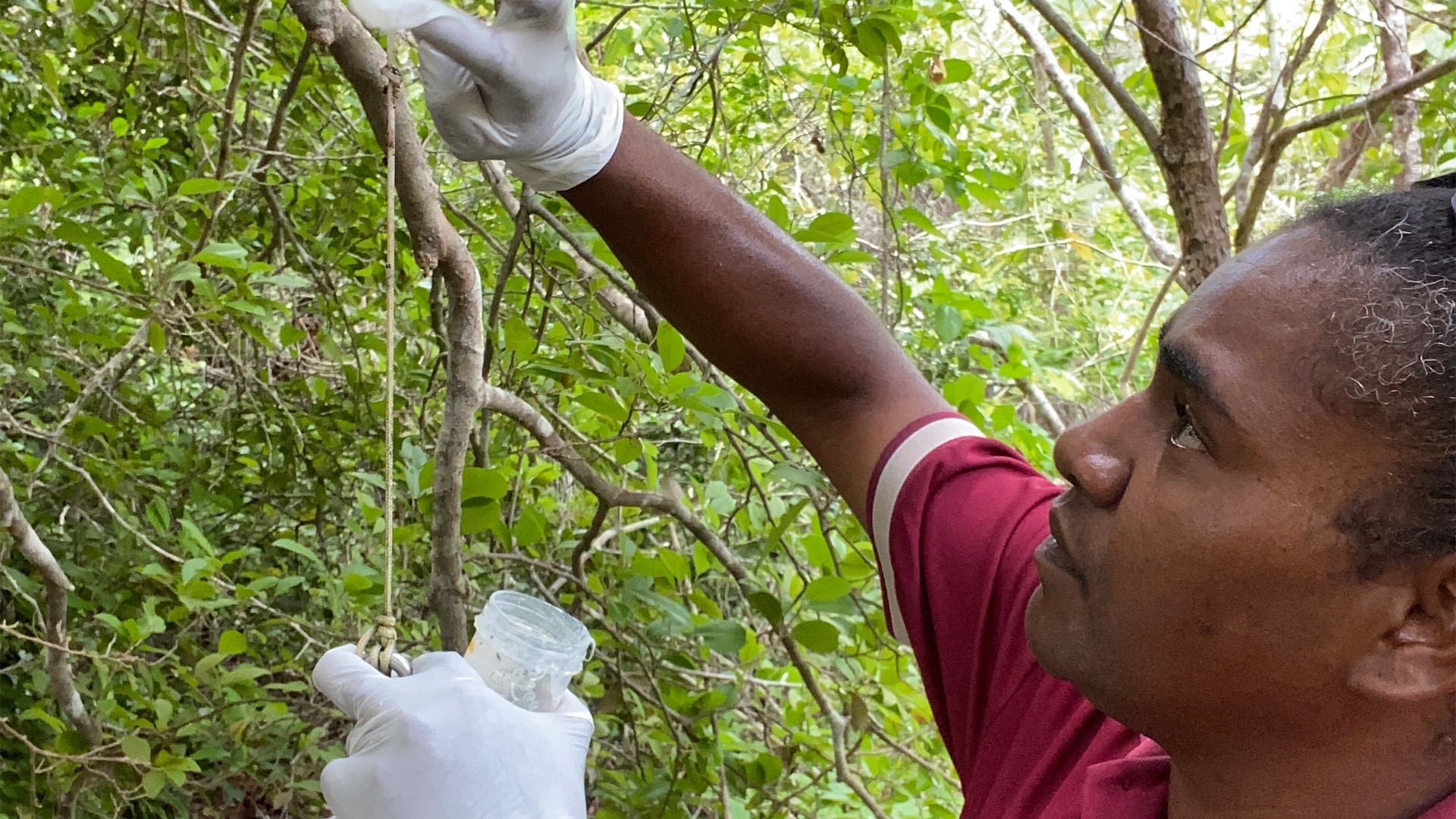
"Women have long played a vital role in agriculture and have often been overlooked," she said.
"Today is about celebrating and recognising the diversity of our sector and the key role women hold now and for future growth.
"An increasing number of women are achieving qualifications in agriculture, including agricultural science, animal husbandry and wool science.
"Our department is very proud to have a gender balance on portfolio boards of 48% but we are keen to see more talented women embrace those opportunities."
Mundinarra Daley started with the department as a trainee in Sydney before becoming a biosecurity inspections team leader at Port Hedland.
"I really like to keep Australia in a safe environment with all the pests and diseases coming into the country, so I really enjoy working on the front lines," said Ms Daley.
"This job has been really good exposure for me so hopefully the next step, after I've gained enough experience, is to then apply for substantiative, permanent positions, and beyond that further growing and developing in the department."
She had one piece of advice for women thinking about starting a career in agriculture: don't be afraid.
"Especially within inspections, you think straight away that it's a male-dominated position but don't be afraid, females are really coming up in the department so just go for it," she said.
For Gikana Mosby working as a biosecurity officer for the Department of Agriculture, Fisheries and Forestry in the Torres Strait Islands (TI) is a family affair.
"This position came up and I thought I'd give it a go, I'd never had an interest in becoming a biosecurity officer, my passion was always teaching," she said.
"But I learned how biosecurity started up in the Torres Strait, my uncle was the first Indigenous officer of the 4 officers in TI, another one of my uncles, my dad's late brother was the first officer working in the outer islands and I still have family, in the department working on TI.
"I know my work is vital, we're on the front line, if I don't do my work then pests and diseases could damage the Australian environment, and we'd suffer as well."