



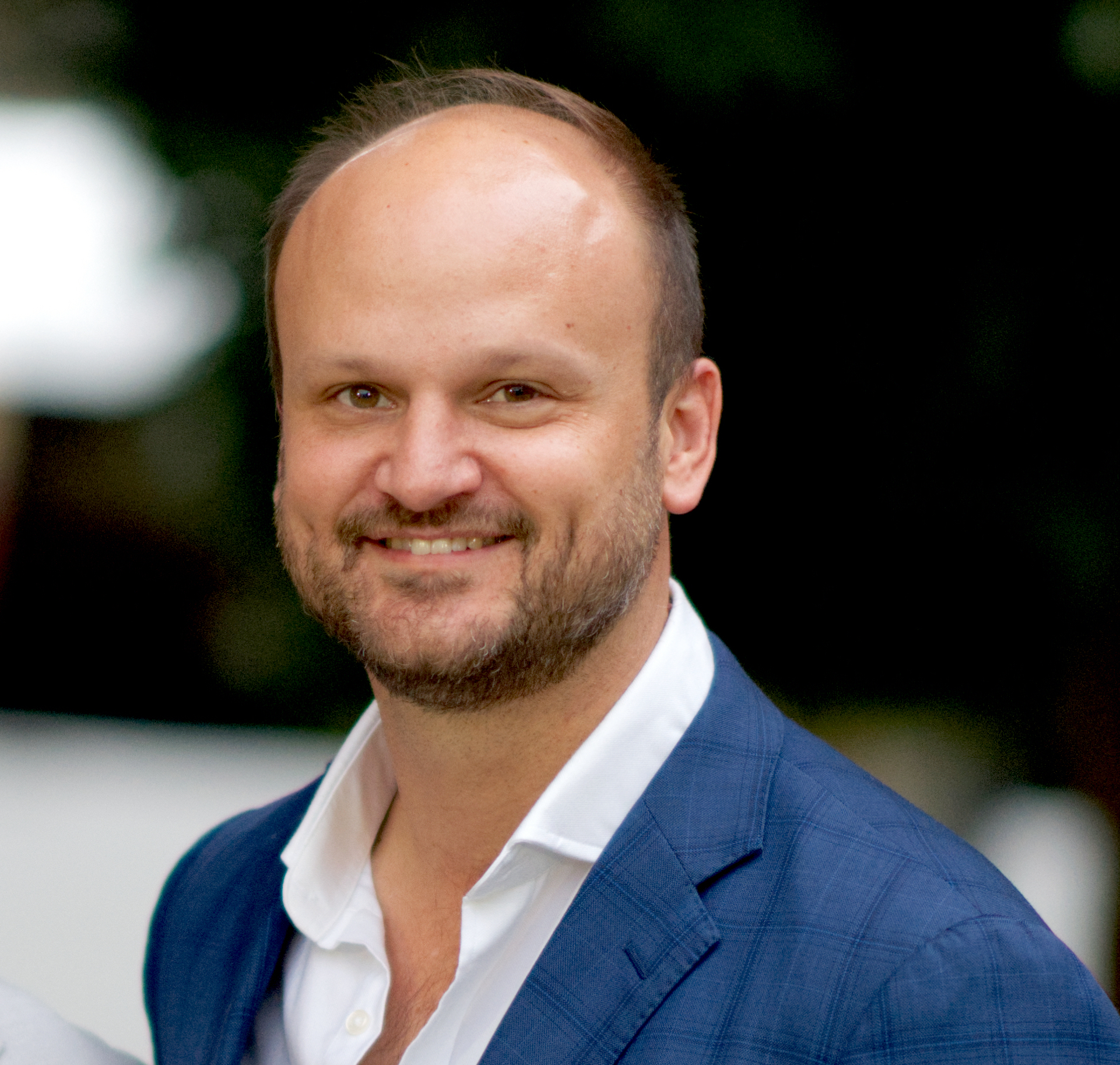

At the AEMEE (Aboriginal Enterprises in Mining, Energy and Exploration) Conference in Darwin, Djarindjin Aboriginal Corporation chief executive Nathan McIvor had a message for mainstream Australia: "Stop trying to fix us. Start learning from us."
Speaking on Larrakia Country, Mr McIvor said Djarindjin's approach is designed and led by the community.
"The story of Djarindjin continues to unfold, but one thing is already crystal clear: we're not just building a successful community, we're demonstrating what true self-determination looks like in practice," he said.
Mr McIvor said the corporation's success was grounded in a long-term plan, cultural governance and community ownership.
"Through our 20-year strategic plan, our commitment to Strong People and Healthy Living, our rejection of welfare mentality, and our refusal to be boxed in by someone else's system, we're proving that Indigenous communities can create our own definitions of success," he said.
He criticised the "Closing the Gap" framework, describing it as a failed model that continues to measure Aboriginal progress against non-Indigenous standards.
"'Closing the Gap' assumes there's a gap to close. But what if the gap isn't in our capabilities, what if the gap is in understanding? What if the problem isn't that Aboriginal people need to catch up, but that Australia needs to wake up to what we've always been capable of when we're allowed to determine our own futures?" he said.
"We've got off the 'Closing the Gap' train because we realised, we were never passengers, we were always meant to be driving our own journey," he said.
Mr McIvor said Djarindjin's path to independence began in 1984, when Bardi and Jawi people walked away from the Lombadina Catholic Mission to establish their own community.
"They left because they were sick of being told how to live, what to believe, what language they could speak, what culture they could practice," he said.
"They left because they understood something that many people still don't get today, that real self-determination isn't something you get given by governments or self-meaning bureaucrats. It's something you take."
He said Djarindjin now earns 90 per cent of its revenue through its own businesses, with the airport and related enterprises central to the community's success.
"Today, Djarindjin generates 90 per cent of our revenue from our own businesses," he said.
"Revenue from our airport and other businesses ballooned from $2.9 million to nearly $20 million in 2024. We went from employing 20 or 30 people in 2019 to 157 currently. These aren't just numbers on a spreadsheet, these are families with secure employment, young people with futures on country, elders with dignity, and a community with genuine control over its own destiny."
Mr McIvor said the community had repaid a $4.5 million loan and taken full control of its airport operations.
"We negotiated a $4.5 million loan with another airport who helped us operate ours and we paid it off in eight years from our share of the airport profits," he said.
"On the 1st of February 2022, we said goodbye and took over full management ourselves. And here's the kicker, we didn't just take over the airport, we innovated it. We've developed our own software package that's been specifically designed for helicopter turnarounds... built by us, an Aboriginal community and organisation. That's self-determination."
He said Djarindjin Airport won the 2024 Small Regional (non-RPT) Airport of the Year from the Australian Airports Association.
Mr McIvor said Djarindjin's governance is guided by cultural principles that remain constant through political changes.
"Our governance in a white man's world is our cultural north star," he said.
"No matter how complex the business environment becomes, we never lose sight of our cultural compass. When your foundation is 60,000 years of proven wisdom rather than the latest political trend, you don't get blown around by every change in Canberra. When your legitimacy comes from your people and your culture rather than government recognition, you can't be delegitimised by political games."
He said the corporation's 20-year strategic plan ties every initiative to community priorities.
"The plan operates on the principle that true self-governance requires more than just economic independence; it demands robust systems, skilled personnel, and diversified revenue streams that can withstand external pressures and market fluctuations," he said.
He highlighted the Aalaga Goorlii Sun Turtle Djarindjin Community Power Project as an example of the corporation's approach to long-term development.
"Our renewable energy project isn't just about sustainable power. It's about energy sovereignty, cost of transition for community programs, and positioning Djarindjin as leaders in the transition to clean energy," he said.
The GornGornMa Djarindjin Development housing model will deliver 70 homes over 20 years through a rent-to-buy scheme.
"Community members will be building equity from day one, a pathway to full home ownership without government bureaucracy," he said.
He said a new freight and logistics business will ensure remote communities have consistent access to fresh produce.
"We are not just running businesses; we are building a complete ecosystem of self-determination," he said.
Mr McIvor linked Djarindjin's economic success to improvements in health and wellbeing.
"Standing on healthy cultural principles doesn't just protect us politically, it transforms our health outcomes in ways that no government health program ever could," he said.
"Language and culture are coming back. We now offer adult Bardi language lessons funded by our own enterprises."
He said Djarindjin is sharing its frameworks with other communities across the Kimberley.
"We're establishing formal mechanisms for sharing our knowledge with other communities, creating networks that strengthen Indigenous self-determination throughout the Kimberley and across Australia," he said.
"We're creating a network of strong, healthy communities that can support each other through challenges and celebrate successes together."
Mr McIvor closed by urging policymakers to change how they engage with Aboriginal communities.
"Stop trying to fix us. Start learning from us," he said.
"The Djarindjin model proves that Indigenous communities don't need to be problems for Australia to solve, we can be partners for Australia to learn from, work with, and celebrate."