



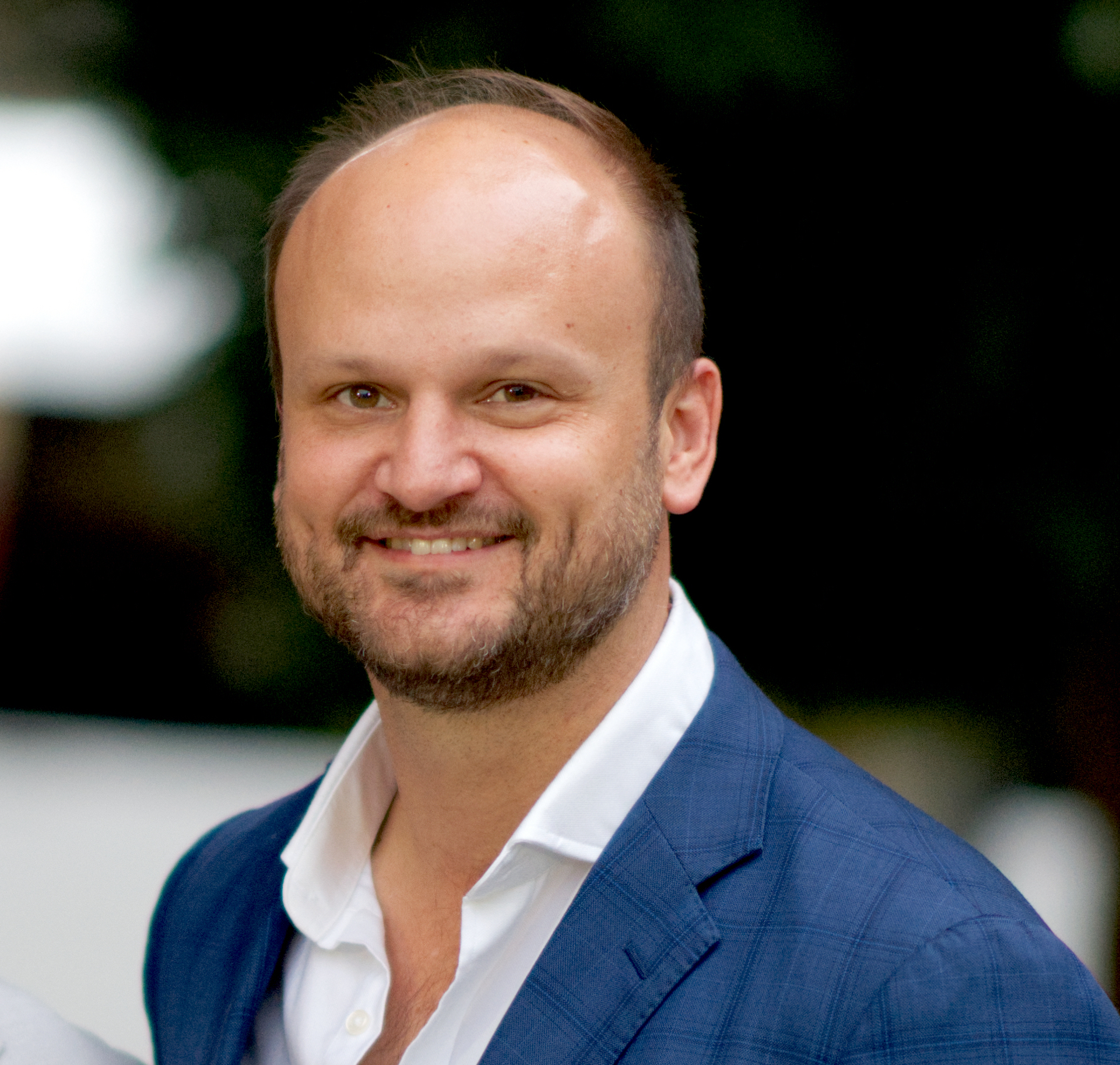

On Larrakia Country in Darwin on Wednesday, Djarindjin Aboriginal Corporation chair Brian Lee opened the 2025 Aboriginal Enterprises in Mining, Energy and Exploration (AEMEE) Conference with a focus on self-determination, collaboration and integrity in Indigenous economic development.
Lee, who is also Director of Djarindjin Airport and the GornGornMa housing development, delivered the Gold Sponsor address at AEMEE's 20th anniversary event themed Beyond Boundaries: Partnerships, Power and Prosperity. The two-day conference brings together Traditional Owners, Indigenous businesses, government and industry leaders to strengthen participation and governance in the resources and energy sectors.
AEMEE at 20
Founded in 2005, AEMEE serves as a national bridge between Traditional Owner groups, Indigenous enterprises and the resources industry. Chair Derek Flucker said in his welcome that the organisation's goal over two decades has been to "deliver stronger outcomes for our people, Country and communities" through partnership and knowledge-sharing.
"For two decades, AEMEE has stood as a bridge between Traditional Owner groups, Indigenous businesses and the resources and energy industry" he said.
Lee told delegates Djarindjin's support for the conference was a statement of values as much as sponsorship.
"When a corporation made the decision to come sponsor about four years ago, it wasn't simply a business transaction," he said.
"It was a statement of our value and our vision for the future of Indigenous economic development. We believe in you and we believe in AEMEE."
He added Djarindjin sees the event "as an investment not just in AEMEE as an organisation but in every person in this room and those connected outside".
Djarindjin Aboriginal Corporation is a Gold Sponsor of the 2025 conference, alongside Rio Tinto and the Minerals Council of Australia. The organisation is also presenting this year's National Indigenous Excellence in Energy and Resources Awards.
Economic self-determination and community enterprise
Lee said Djarindjin understood "firsthand the power of self-determination."
"We know what it means to build something from the ground up, create opportunity for our people, and to navigate the complex landscape of economic development across through obligations and connection to Country," he said.
He told delegates Indigenous progress in the sector was built on collective strength, saying "Indigenous communities and businesses are stronger when we support each other, when we share knowledge and opportunities, and when we stand together in pursuit of economic partnership with industries."
Lee highlighted the community's evolution over two decades.
"We've gone from being on the sidelines to being active participants and decision makers about what happens on our Country," he said.
"Having a seat at the table means bringing our full selves - our proper knowledge, our deep connection to Country, our business acumen, and our vision for our community's future."
The Djarindjin model
Djarindjin's work, he said, demonstrates "economic opportunity has a moral integrity."
"We don't have to be at odds," he continued. "We can participate in industries like mining, energy and exploration in ways that respect Country, honour our responsibilities and create possible benefits for our communities."
He noted the shift from exclusion to leadership.
"Far too long people have been excluded from decisions about our land and resources. But that narrative is changing and you are the actual architect of that change," he said.
Lee said AEMEE's founding goal remained vital, saying "The vision was bold but clear - to gain true market share of Indigenous businesses within the resource sector".
"Not token gestures, not box-ticking exercises - true market share, real opportunities, genuine partnerships."
At home in the Kimberley, Djarindjin's airport operations and housing projects reflect that philosophy. The community is now developing the Djarindjin Solar Farm, a $10 million renewable-energy project expected to cut diesel use by 60 per cent and return revenue to the corporation.
Barriers and balance
Lee said statistical progress could not capture the full story.
"The numbers tell part of the story ... but they can't capture the young person who sees someone who looks like them operating a successful business and think 'I could do that'," he said.
"They can't quantify the healing that comes when our people are in control of our own economic systems."
He warned that "access to capital remains challenging for many Indigenous businesses" and that procurement processes "can still be arduous and inaccessible."
Some communities, he said, "are still recovering from policies designed to break us - stolen generations, force removals, intervention".
"That intergenerational trauma doesn't disappear just because we have meetings and sign contracts," he said. "It requires acknowledgement, understanding and time."
Lee also reflected on the tension between protecting Country and industry engagement.
"This is something our people grapple with constantly," he said. "How do we exercise economic agency while honouring our cultural responsibilities? At Djarindjin we work through these questions every day. There are no simple answers, but we move forward with respect for both."
A call to be bold
Lee concluded by urging delegates to act decisively.
"Be bold in your ambitions," he said. "Don't settle for being a subcontractor when you can be the owner. Don't accept a minor stake when a genuine partnership is possible."
He called on participants to "talk to people you don't know, share your challenges and your solutions," and "seek out mentors and offer mentorship".
Lee added: "Be bold in your advocacy. When you see barriers to Indigenous participation, name them. When you see opportunities to lift up other Indigenous businesses, take them."
He closed with a reminder about identity in business.
"Be bold and stay true to your values and your culture," he said. "Don't let anyone tell you that business success means leaving your identity at the door. Your cultural knowledge, your connection to Country, your way of seeing the world - these are strengths, not limitations."
Shared vision
Lee thanked delegates "for doing this work, for believing that a better future is possible and for taking action to create it".
"Your success is our success," he said. "The challenges are our challenges, and a vision for the future where Indigenous people have genuine economic opportunity and self-determination is a vision we share."
The 2025 AEMEE Conference continues this week in Darwin with sessions on Indigenous capital, energy transition and governance for prosperity.
Djarindjin's participation as a Gold Sponsor highlights the growing influence of Indigenous-owned enterprises in shaping national discussions about the future of energy and resources. As AEMEE marks 20 years, Lee's message to the sector was clear: the next stage of progress will depend on Indigenous leadership at every level - not just participation, but ownership.