




Key points:
- The corporation born from the bark petitions is changing hands
- A four-year CEO departs the clan that wrote land rights into Australian law
- Who takes the reins at one of the country's most powerful Indigenous corporations
One of Australia's largest and most sophisticated Indigenous corporations is changing chief executives.
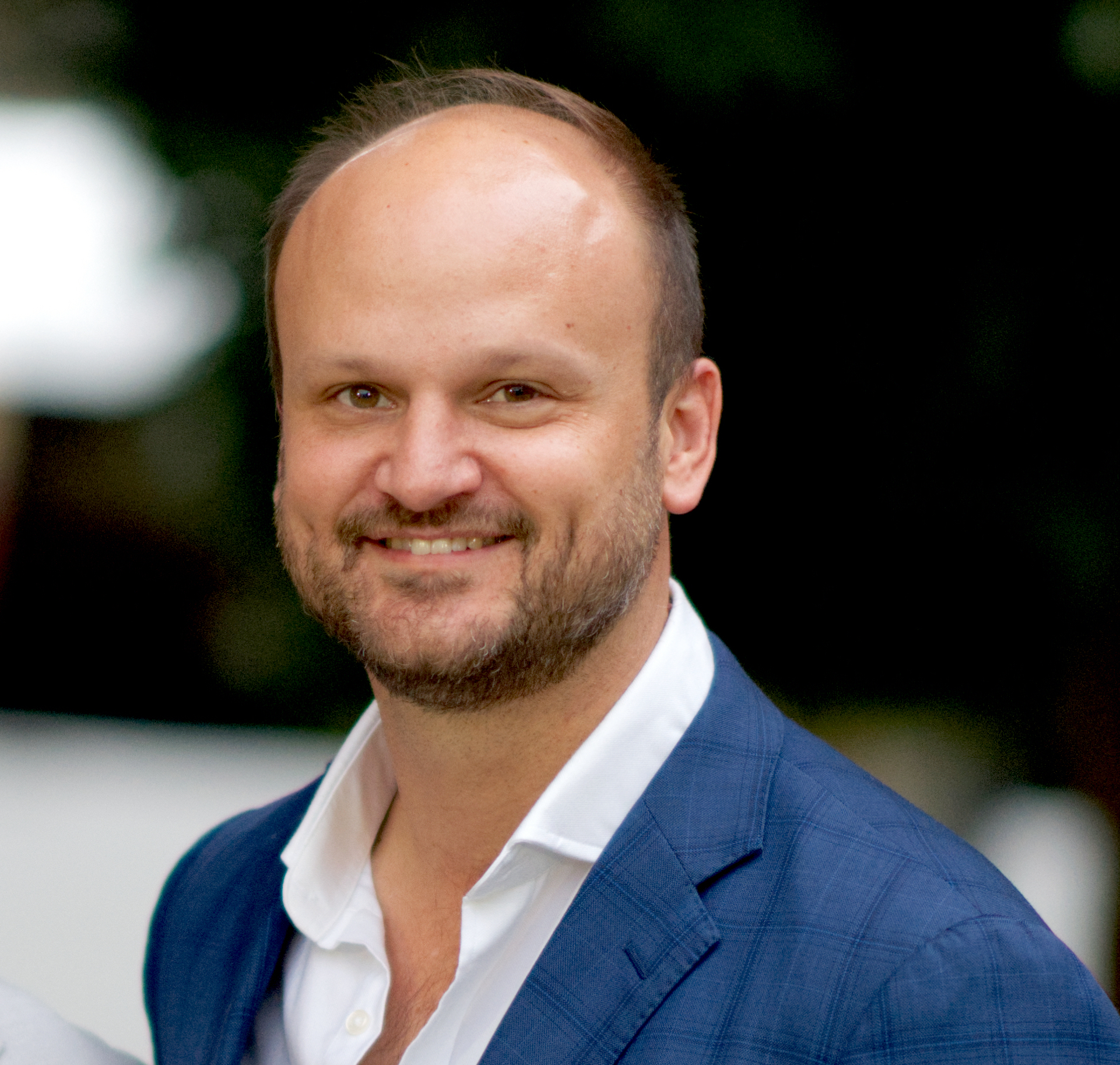
Rirratjingu Aboriginal Corporation announced on Tuesday that Paul Martin, its current Chief Operating Officer, will step up to Chief Executive Officer, succeeding Rhian Oliver, who is leaving after more than a decade with the organisation, including four years in the top job.
Chairperson Wanyubi Marika framed the move as planned succession rather than disruption. The Board and HR Committee created the COO role about 18 months ago to build executive depth, and the handover now activates that structure.
"It has been a privilege to work with RAC and the Rirratjingu community over many years," Mr Oliver said. "I'm proud of what the organisation has achieved and confident that it will continue to grow and deliver strong outcomes for the future."
Mr Martin said he was honoured to take on the role.
"RAC plays an important role for its members and the wider region and I look forward to working with the Board, staff and community in the years ahead," he said.
The Board thanked Mr Oliver for his contribution and said it looked forward to the organisation's next chapter under Mr Martin.
The corporation represents the Rirratjingu clan, Traditional Owners of land on the Gove Peninsula in North East Arnhem Land, and it carries one of the most significant legacies in the Australian land rights story.
In 1963, when the Commonwealth excised land from the Arnhem Land reserve for bauxite mining without consulting Traditional Owners, Rirratjingu leaders including Roy Marika helped drive the creation of the Yirrkala Bark Petitions, the first traditional documents formally recognised by the federal Parliament and now counted among Australia's founding constitutional records.
The 1971 Gove land rights case, Milirrpum v Nabalco, grew from the same fight and helped lay the groundwork for the Aboriginal Land Rights Act 1976.
Roy Marika founded the corporation in 1984 to administer mining royalties and build a pathway to economic independence for the clan.
Four decades on, RAC runs commercial subsidiaries from its Nhulunbuy office and delivers community and cultural programs across North East Arnhem Land from Yirrkala, channelling proceeds from mining and business investments into services for members and a future fund.
The corporation is the largest non-government financial backer of the NO MORE family violence campaign, and it stages the annual Yarrapay Music Festival at Yirrkala.
That legacy moved sharply back into focus in March 2025, when the High Court handed down Commonwealth v Yunupingu, confirming that the Commonwealth can be liable to compensate Yolŋu Traditional Owners for the historic impairment of Native Title on the Gove Peninsula, in a ruling widely described as the most significant since Mabo.
Rirratjingu stood alongside the Gumatj in that case, and in July 2025 filed its own Native Title and compensation claims over parts of the peninsula. Those proceedings, likely to run for years, will shape the corporation's work well into Mr Martin's tenure.
Mr Martin inherits an organisation that has spent six decades turning cultural authority into legal and economic standing, and a compensation fight that is only now reaching its most consequential stage.