





Supply Nation, a national certifier of Indigenous-owned enterprises whose database underpins much of Australia's corporate and government procurement, has deregistered a Queensland business following an internal investigation that found breaches of its Code of Conduct.
The company, Bunji Enterprises Pty Ltd, led by Murri Chamber of Commerce chair Adam Williams, was formally removed from the Supply Nation register on 17 October 2025. The decision, confirmed in correspondence from law firm Mills Oakley and in a statement provided exclusively to the Indigenous Business Review, has prompted Mr Williams to accuse the organisation of censorship and of denying him a fair process.
A letter sent by Mills Oakley on Supply Nation's behalf this morning, and sighted by the Indigenous Business Review, states that Mr Williams "has contravened Clause 9(b)(iv)" of Supply Nation's Registered and Certified Suppliers Terms and Conditions and breached several sections of its Member and Supplier Code of Conduct, including Items 3, 4, 7 and 8. The findings were described as a "fundamental breach" warranting deregistration. The letter did not contain any specific examples of the conduct in question.
Clause 9(b)(iv) allows Supply Nation to cancel registration where a supplier "conducts itself in a manner contrary to Supply Nation's vision or values" or engages in behaviour "prejudicial to the reputation or detrimental to the interests of Supply Nation".
The letter directed Bunji Enterprises to stop using the registered supplier logo, remove all references to Supply Nation from its materials and website, and return or destroy any related documents within ten business days.
In a statement provided exclusively to the Indigenous Business Review, that did not specifically name the business in the interests of confidentiality, Supply Nation chief executive Kate Russell said the decision was "an unprecedented step".
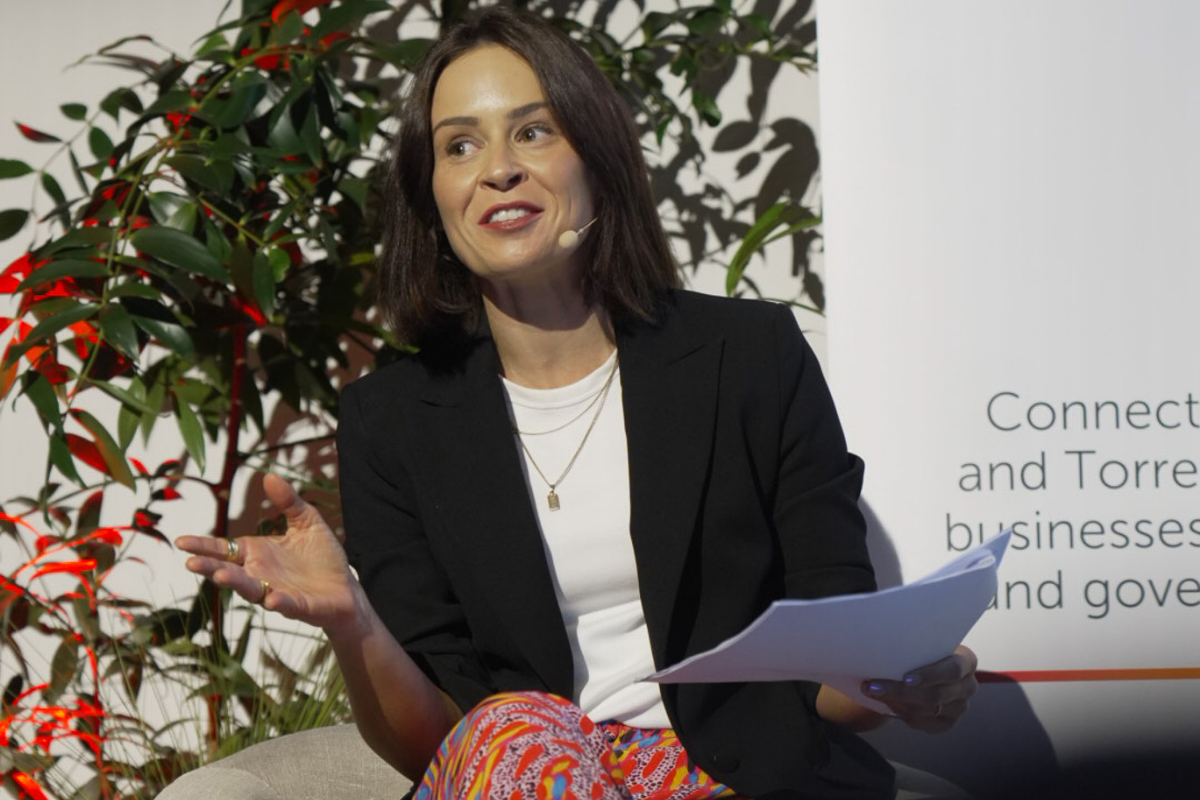
"The vast majority of our suppliers do the right thing," Ms Russell said. "We're not aware of this kind of action ever being taken before in Supply Nation's history."
She said the deregistration followed an independent investigation by an external law firm that found Bunji Enterprises had made "numerous false and misleading statements about Supply Nation".
"Being registered or certified with Supply Nation offers enormous benefits, but it also carries responsibilities," Ms Russell said.
"Our Code of Conduct requires all members and suppliers to not bully, discriminate, harass, insult, victimise or vilify others. As an Indigenous organisation, we are aware of the harm that lateral violence can cause in our communities. We have zero tolerance for such behaviours."
Ms Russell said Bunji Enterprises had been given the opportunity to respond to specific complaints but had declined to do so.
Mr Williams disputes that claim. Speaking to the Indigenous Business Review today, he said he had not received details of any complaint or evidence underpinning the investigation.
"I've never been given any specific information at all other than that it was an anonymous complaint," he said. "They never told me the complainant or how anything I said breached the Code."
He believes the complaint may relate to a social media post he made on behalf of the Murri Chamber of Commerce, which was critical of the Queensland Government's level of support for Indigenous business chambers.
"That's only an assumption," he said. "They have never confirmed it."
Mr Williams said he repeatedly asked Supply Nation to clarify the allegations but was told there was no process to appeal the decision.
"It's really hard to respond to specific complaints when they don't tell you what they are," he said.
"There's no avenue for me to appeal, no avenue to provide evidence, no avenue even to see what they're claiming. They are judge, jury and executioner."
He described the experience as inconsistent with procedural fairness and "a mission-manager style of justice".
Mr Williams said the deregistration had created reputational and commercial difficulties, even if it did not threaten the company's operations.
"They will market that to corporates and their staff will inform corporates that it is my business this has happened to," he said.
"Those corporates then contact me, and that becomes a problem for my business."
Supply Nation has stated that they have not publicly named the de-registered company, and there is no evidence to suggest that they will do so to their members or partners.
Williams said that exclusion from Supply Nation's flagship events, including the annual Supply Nation Connect conference, also affects his ability to meet potential clients.
"If you go out to Aboriginal business and ask how to find corporates, it's through events like Supply Nation Connect," he said. "They choose who attends, and that affects my ability to contact corporates."
In his view, Supply Nation has become too powerful as a gatekeeper for Indigenous suppliers.
"Aboriginal businesses are not their customers," he said. "Corporates are their customer. We're the necessary piece they use to make money from corporates."
Mr Williams said that during more than ten years of involvement with Supply Nation, he had not received a single business referral or introduction through the organisation.
"They've never helped me land a contract or do a deal," he said. "In fact, they're my biggest competitor in getting my brand out there."
He also questioned the lack of independent oversight of the organisation's operations.
"There's not a checks-and-balances system," he said. "Who audits and checks the reports they publish that corporates take as gospel?"
Despite the fallout, Mr Williams said the deregistration had given him a measure of freedom to speak publicly.
"If anything, it gives me more freedom to say that I'm not connected to this corporate member network," he said.
Mr Williams said the deregistration had strengthened his view that Aboriginal and Torres Strait Islander businesses should reflect on what tangible benefits they receive from Supply Nation membership. He urged business owners to "ask what you actually get out of being there" and consider whether the fees and visibility translate into real commercial outcomes. In his view, Indigenous enterprises would be better served by joining and becoming active in their local Indigenous business chambers, where he said decision-making remains community-based and member-driven.
"At the chambers, Aboriginal people control the database," he said. "The community and the businesses are the customer, and the corporates are invited in to work with us - not the other way around."
Supply Nation maintains that it acted according to its policies and the Terms and Conditions agreed to by all suppliers. The organisation said the investigation was conducted under Clause 9 of those terms, which governs its powers to investigate and terminate registrations, and that it had a responsibility to uphold the integrity of its Code of Conduct.
Mr Williams said he believes the dispute highlights broader questions about transparency and the space for criticism within the Indigenous business sector.
"Any organisation that thinks it should be above being challenged has a problem," he said. "If we don't rise up and challenge to make our space better, how do we get better?"