



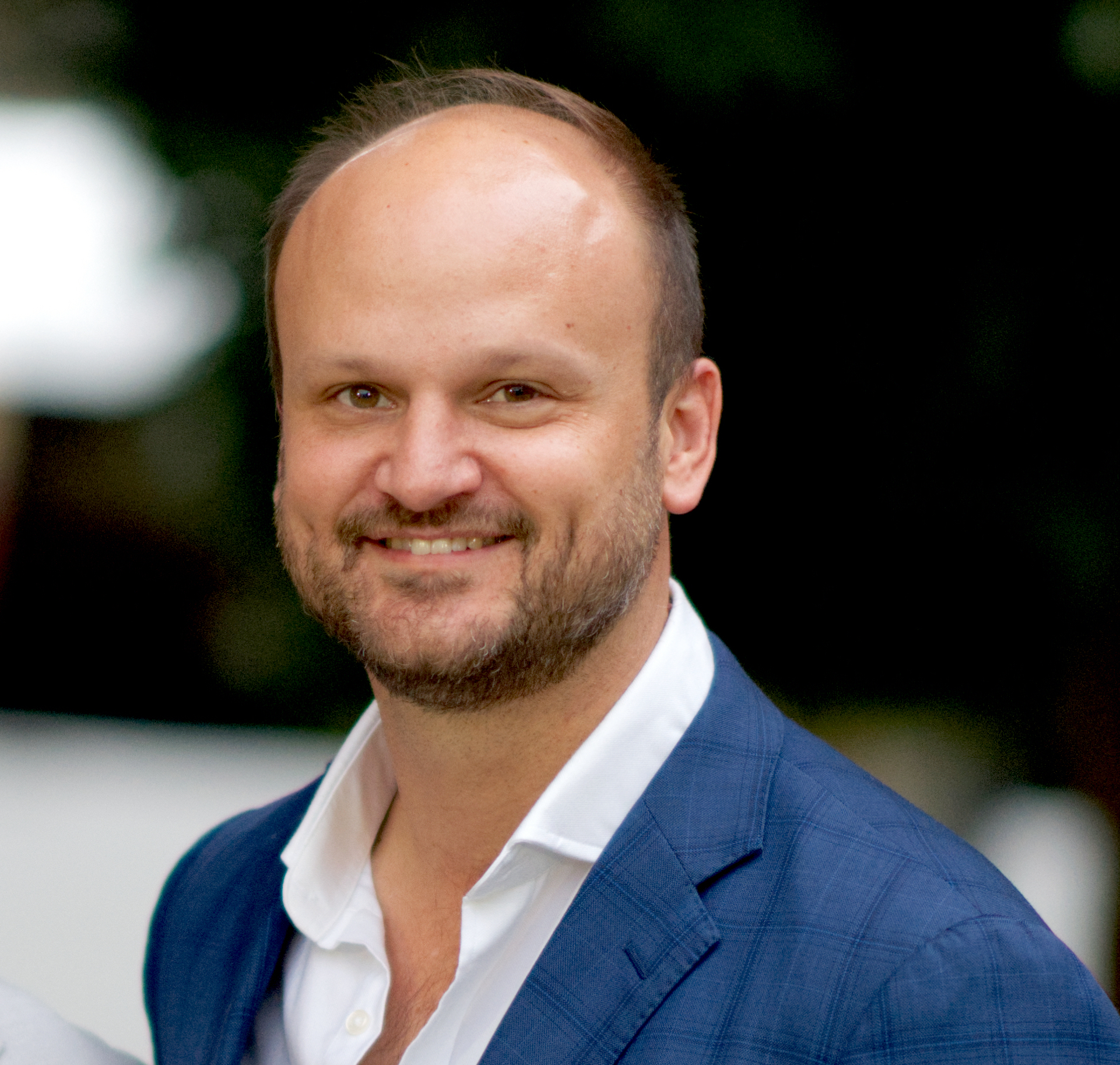

When Kia Dowell describes the state of relations between Traditional Owners and Rio Tinto at Argyle, she does not hedge her words. "There's been zero trust for at least five years," she said.
Dowell is a Gija woman from Warmun in Western Australia's East Kimberley and the Chair of Gelganyem, the organisation established under the Argyle Participation Agreement to represent the seven Gija and Miriwoong Traditional Owner family groups connected to the Barramundi Dreaming. Gelganyem's role spans cultural heritage protection, governance, land access, economic participation and, now, one of the most consequential mine closure processes in Australia.
Her assessment comes at a time when scrutiny of Rio Tinto's conduct on Indigenous land remains acute. Just a few years have passed since the company's destruction of the 46,000-year-old rock shelters at Juukan Gorge, an event that triggered global condemnation, parliamentary inquiries and leadership upheaval within the company. While Juukan Gorge related to heritage protection during operations, Dowell argues Argyle exposes a different but equally serious test: whether Rio Tinto can be trusted to close a mine on Indigenous Country in a way that genuinely respects cultural authority and long-term responsibility.
At the centre of the Argyle dispute is a foundational commitment negotiated by Traditional Owners more than two decades ago.
"When our old people negotiated that agreement it was on two understandings," Dowell said. "Whatever went into Country would also leave Country when Rio were finished. And that no means no. The no means no principle has absolutely not been upheld."
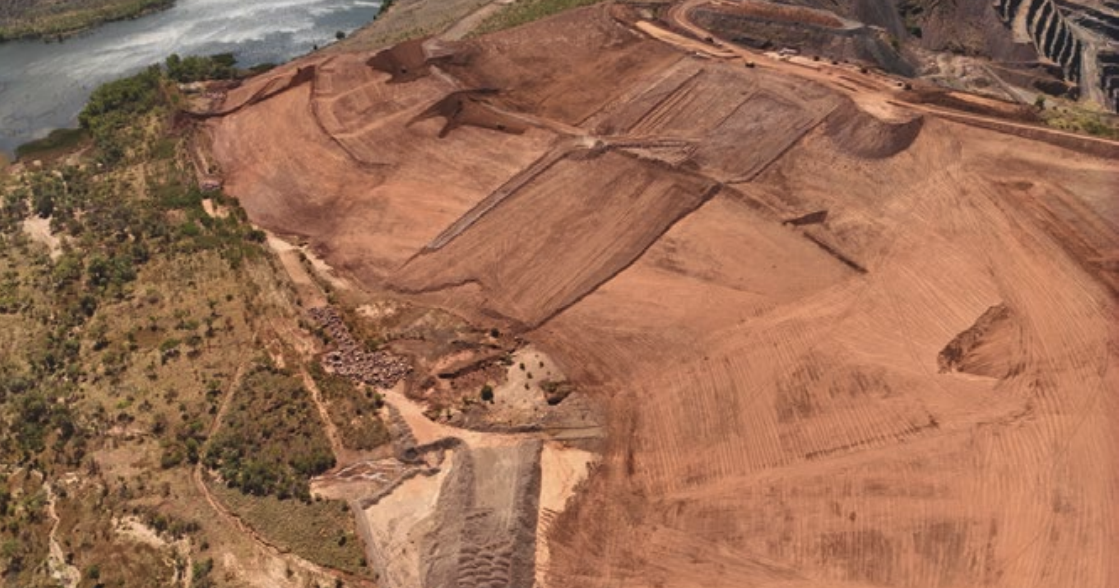
Argyle ceased production in 2020. Since then, Rio Tinto has undertaken extensive closure works, including reshaping waste rock landforms, demolishing the village and power station, removing the airport, backfilling vent shafts, installing seepage infrastructure and progressing revegetation programs.
Yet Dowell says these measures do not resolve the most serious issues Traditional Owners now face.
"At the moment closure looks like we will be left with a pit lake in perpetuity, which means a pit lake forever," she said. "It means tailings left there forever. It means we cannot fish in places we used to be able to fish because of heavy metals and toxins."
For Traditional Owners, closure is not a checklist of engineering tasks. It is about restoring Country to a condition that allows cultural practice, environmental health and intergenerational responsibility to continue. "Closure for a mining company means something very different to closure for Traditional Owners," Dowell said.
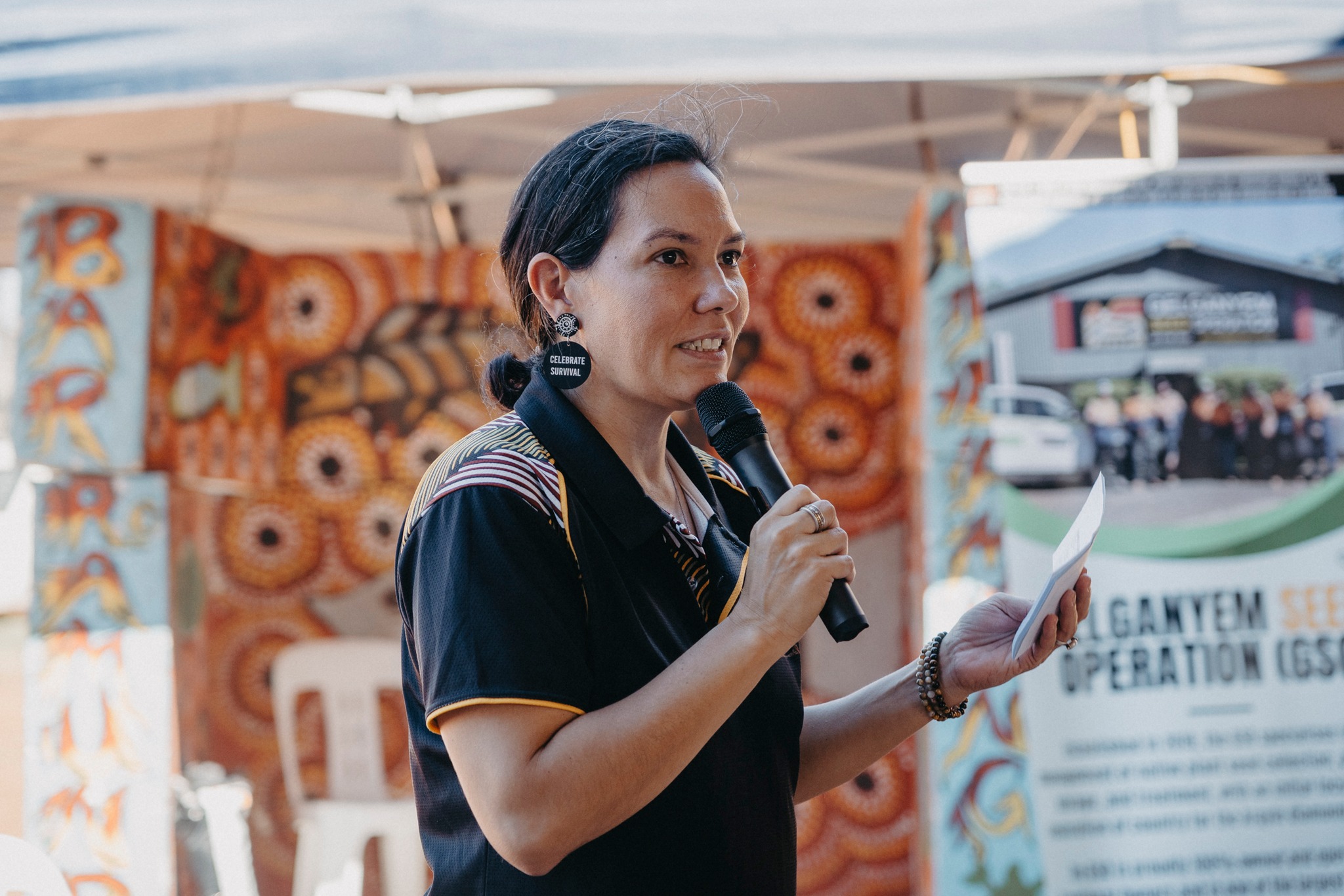
A central problem, she argues, lies in the governance architecture surrounding Argyle. The Argyle State Agreement, established in 1981, governs operations and closure but excludes Traditional Owners altogether. The Participation Agreement, finalised in 2004 after a three-year negotiation, delivered important benefits during operations but was never designed to address the complexities of mine closure and relinquishment.
"We have been raising concerns because decisions have been made that directly affect the exercise of our rights and interests without us at the table," Dowell said. "The governance arrangements did not consider the way decisions had been made for millennia."
That structural exclusion has shaped the closure pathway. Traditional Owners put forward alternatives aimed at reducing long-term environmental risk, including backfilling the open pit and repurposing material already extracted from Country. Each proposal was rejected.
"At every opportunity to improve or change the way Rio has approached closure we've been met with a challenge," Dowell said. "We keep asking and the answer keeps being no."
Dowell describes a pattern of behaviour that compounded mistrust. Rio Tinto conducted internal "study exchanges" overseas to examine mine closure approaches but did not include Traditional Owners.
"Rio were doing these study exchanges, taking staff from Argyle, flying them off to look at rehabilitation elsewhere, and not involving TOs," she said. "We requested to meet. Rio said they were happy to make that happen but they have not."
Frequent leadership turnover within the company further undermined engagement. "I have personally lost count of the number of general managers or senior leads who have come through," she said. "Traditional Owners come to meetings with respect and integrity. That cannot always be said for the other side of the table."
The cumulative effect has been a collapse of confidence. "I am saying this from a zero trust environment," Dowell said. "There's been zero trust for at least five years."
Faced with ongoing uncertainty, Gelganyem commissioned an independent technical review of Rio Tinto's 2021 Mine Closure Plan. That work helped prompt the WA Government to revise its Mine Closure Guidelines in 2025, strengthening requirements for rights-holder engagement and technical rigour.
Dowell welcomed the reform but said it does not resolve the core risks still embedded in Argyle's closure design. She believes the State must require Rio Tinto to revise its completion criteria, align post-mining land use with long-standing Traditional Owner expectations and establish financial mechanisms to ensure that if closure outcomes fail, the company — not Traditional Owners — funds remediation.
"If we don't get this right now, the consequences will last generations," she said.
Gelganyem has developed its own completion criteria, informed by cultural land use mapping and independent scientific advice. These criteria place water quality, landform stability, cultural access and long-term environmental safety at the centre of closure planning.
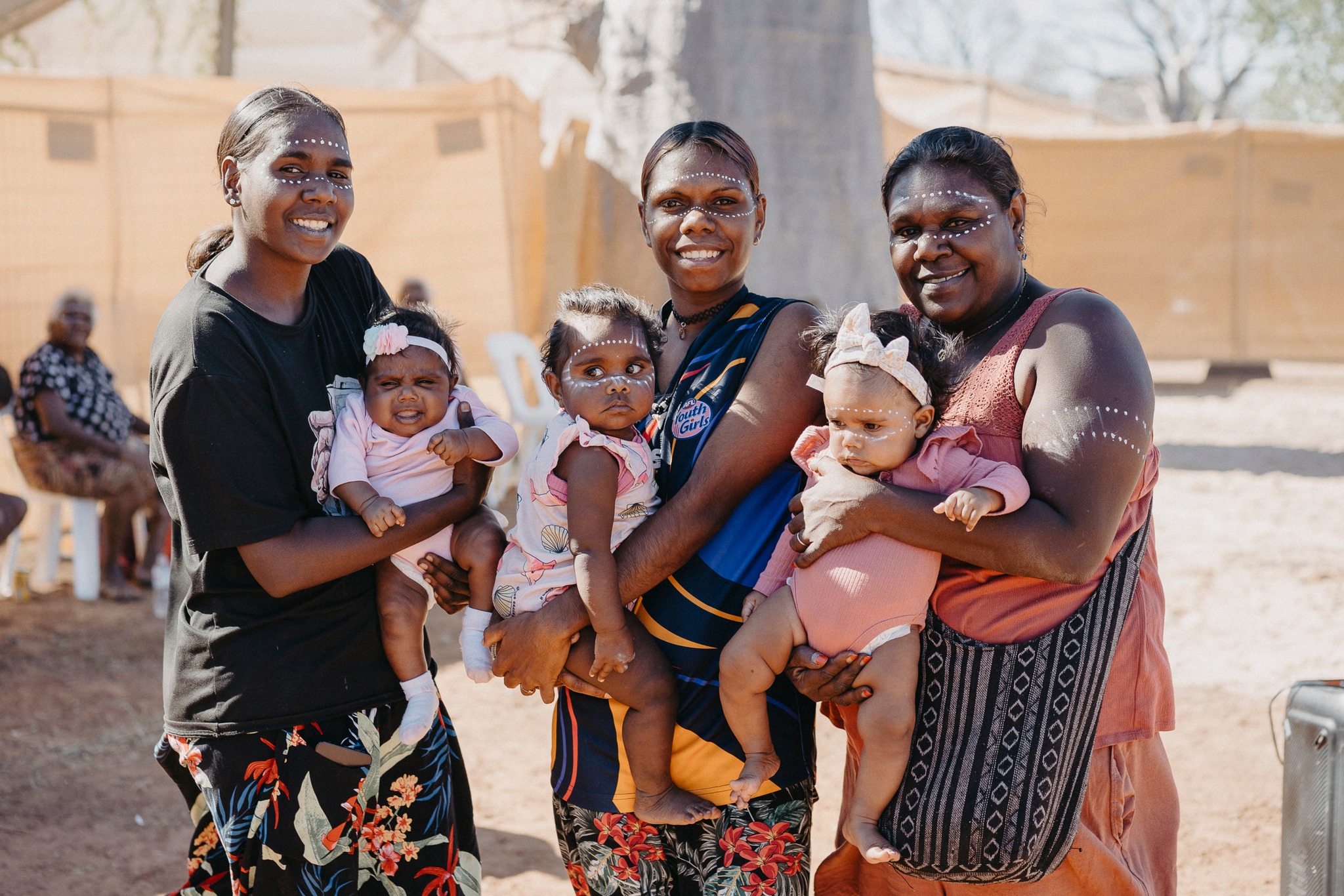
The dispute has broader implications for Rio Tinto and the resources sector. Since Juukan Gorge, the company has changed out a number of key executives and committed publicly to cultural change and stronger engagement with Indigenous communities. Dowell says Argyle will be a measure of whether those commitments extend beyond rhetoric.
This question is particularly relevant as Rio Tinto approaches conducts closure works at other major sites on Indigenous land, including the Gove bauxite mine in north-east Arnhem Land, and the Ranger Project Area, adjacent to Kakadu National Park, a World Heritage site. Traditional Owners and industry observers alike will be watching closely to see whether lessons from Argyle are applied elsewhere, or whether similar conflicts with Traditional Owners emerge.
For Dowell, Argyle is not an isolated dispute but a national test case. She supports a closure framework in which completion criteria are set at the exploration stage and cannot be weakened without explicit approval from rights holders.
"Everyone will close at some point," she said. "If we do not get Argyle right collectively we are failing ourselves and we're failing future generations."
Rio Tinto expects closure works at Argyle to conclude in 2026 before entering a monitoring and maintenance phase. For Traditional Owners, closure cannot simply mark the end of mining. It must restore Country in a way that honours cultural law and does not leave future generations to manage inherited harm.
An unnamed "Rio Tinto spokesperson" responded to Dowell's claims. "Rio Tinto acknowledges Traditional Owners as custodians of Country, with a deep connection to the land, and who have a critical role in caring for Country throughout the Argyle Diamond Mine life cycle, including closure.
"We understand the impact closure has on the community and we continue to work with the seven Traditional Owner family groups who are signatories to the Argyle Participation Agreement throughout the closure project.
"We are working with Traditional Owners to develop a co-managed Cultural Heritage Management Plan to support shared decision-making and the closure outcomes that Traditional Owners have identified."