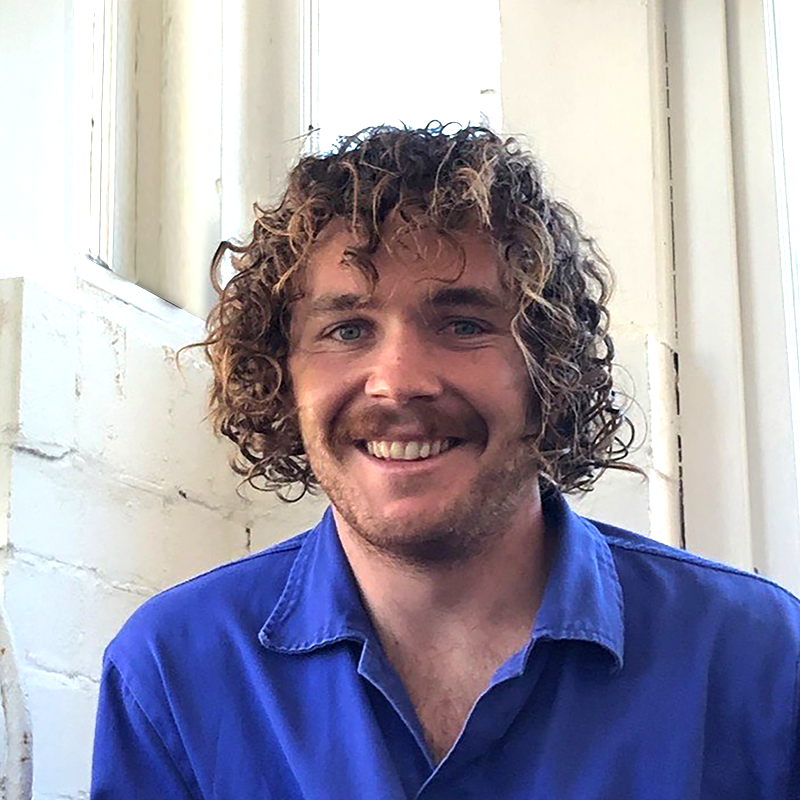

Shying away from AI risks falling behind, New South Wales' Aboriginal business sector has heard.
From optimisation and staff resources better suited elsewhere to data sovereignty, the technology is there to take full advantage of — and will only get bigger, probably beyond what we can currently be comprehended — according to Indigenous AI and technology specialist Brad Twynham.
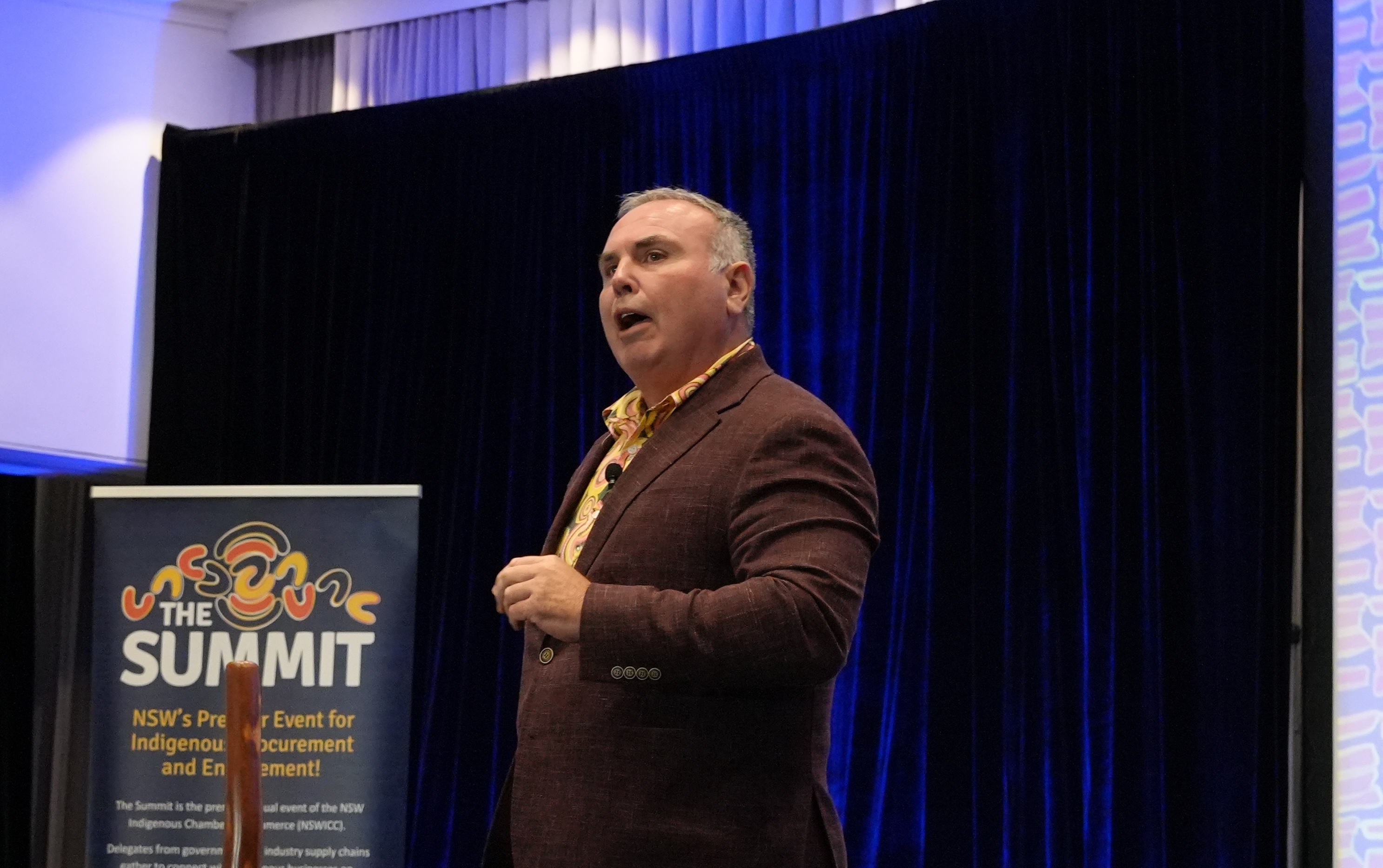
Mr Twynham delivered an address at this week's NSW Indigenous Business Chamber Summit on Wonnarua Country.
Earlier in the Summit, NSWICC chief executive Deb Barwick told this masthead recent Chamber research estimates the contribution of First Nations businesses to the state economy at around $2 billion.
Research around the world put the figure of investment in AI by the end of 2025 into the hundreds of billions of dollars.
Per a PwC Global AI Report, this is expected to exceed $15 trillion by 2023.
For all businesses, a failure to adapt to emerging shifts and develop strategy to embedded new types of new intelligence of offer means you are being left behind, Mr Twynham said on Tuesday.
Mr Twynham was brought to the summit as a First Nations speaker, consultant and technology expert.
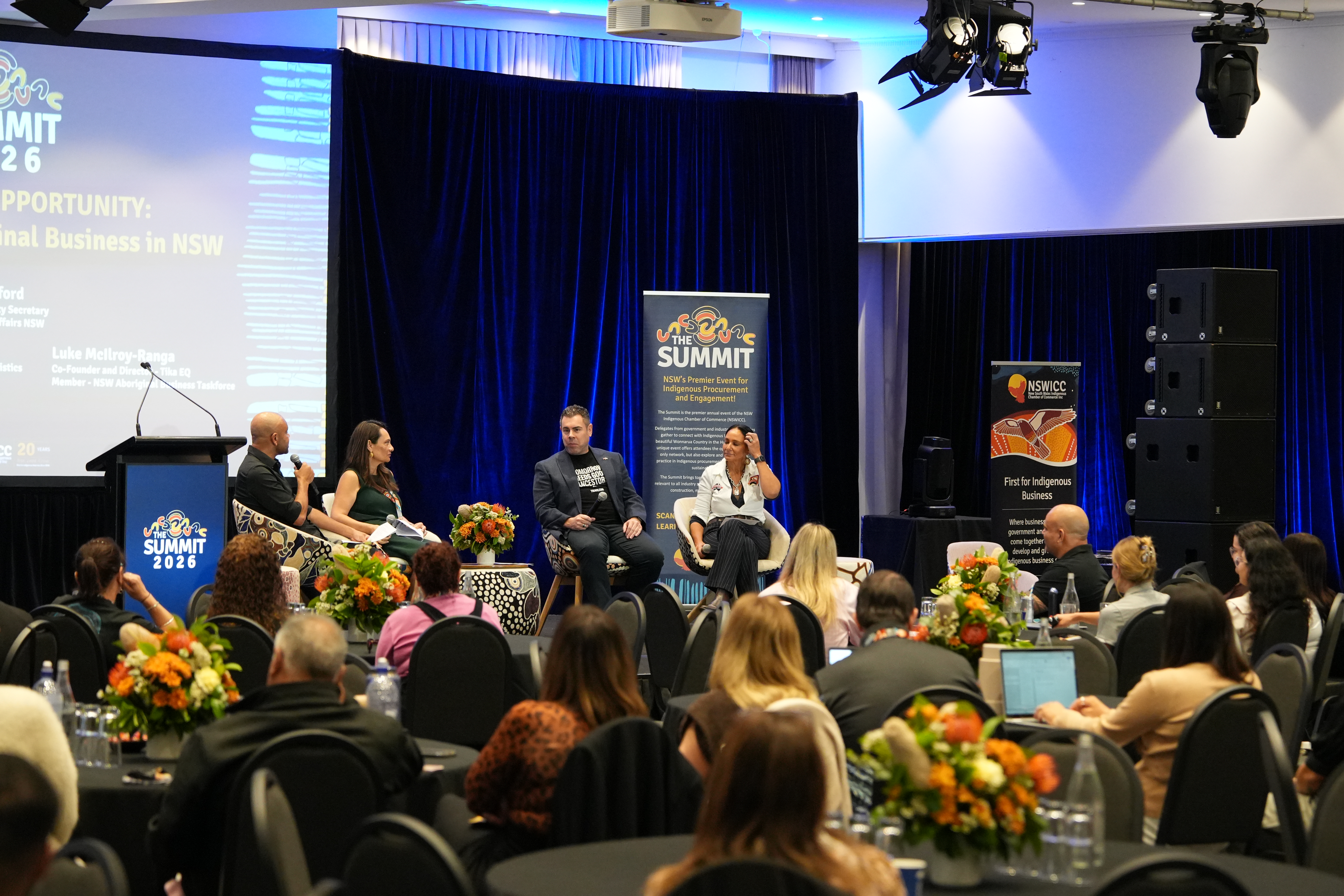
"The shift is not AI; it's re-engineering your business to become intelligent, and that is the big shift that's happening right now," he said, focusing on a specific development there for businesses, particularly medium-sized businesses, to utilise.
This is AI agents — a step ahead of simple language models or text generation many are familiar with as a first dip of the toe into the quickly-evolving addition to life online.
These are separate to the prompt-and-response operations popular with platforms such as ChatGPT, Claude and others.
In broad terms, an agent has four defining traits: it has a goal, it has memory, it can learn by itself, and it requires no human intervention, Mr Twynham said.
"Imagine at 6 a.m. in the morning, one of those agents picks up that inventory is a little low. It wakes itself up," he gave as one example.
"When you wake up at 9 a.m., it's already there for you to approve and send. That's what an agent does, as opposed to what we are used to playing with."
Citing his work with Aotearoa-based palliative care service Tōtara Hospice, their agent allowed for its rostering department, which consisted of three people, reduced to one staff.
In a big business this probably means those other two staff are sacked, Mr Twynham said, but in a mid-market business it can mean a re-jig of resources.
"What it allowed (Tōtara's chief executive) to do was to redeploy those resources closer to the customer, where they can make a bigger difference," he said.
"Advantage in the agentic age...actually comes from noticing what happens sooner.
"We would be absolutely crazy not to start taking advantage of this technology in our businesses in the small to medium space."
"Who can blame you? - valid concern over sharing culture, stories and language with big tech
AI has risen as a cause for concern and something dangerous in various contexts, including digitally-created content, for First Nations people in recent years.
In 2025, National Indigenous Times reported Adobe was hit with criticism for falsely depicting "Indigenous Australians" on its stock image platform, with more recent backlash over generated depictions of Indigenous people on social media.
National Gallery of Australia's First Nations advisory group chair and Pitjantjatjara artist, Sally Scales, told The Guardian earlier this week AI is guilty of "theft" of First Nations art, and producing "Temu slop".
Within the advantages presented by the technology, Mr Twynham conceded there is feelings of unease around it.
Another area of concern, particularly for First Peoples, is what AI means for data sovereignty.
For First Nations businesses, Mr Twynham said, that raises a hard question: are they comfortable handing cultural knowledge to a big tech company?
It remains a significant unresolved issue, though projects are under way to address it.
Mr Twynham explained a project he worked on with a First Nations people in NSW and Aoteaoa is making active efforts to protect data sovereignty.
MRTY aims to completely protect this, unconnected to the internet and instead a server entirely "under a desk".
"You probably have data about your culture, stories, language, a whole bunch of other stuff that you don't want to share with those big tech companies, and who can blame you?" he asked the Summit.
In Naarm next week, Professor Marcia Langton will bring together experts, policy-makers, leaders and researchers for a national forum on First Nations data sovereignty and AI.
The University of Melbourne and Indigenous Data Network will host the forum on November 11 and 12, slated to explore how Indigenous data sovereignty can move from principle to practice across government, health, research and digital infrastructure.
For business, on AI, Mr Twynham, said: "The question to ask isn't what's possible, because anything's going to be possible. Any part of your business, if you want to gain efficiency or do something special or provide something really interesting, it's going to be possible."
"I think the better question and the more relevant question for a business owner, particularly in an Indigenous business, is what actually matters," he told this masthead.
"And if we can approach AI strategy from that perspective...rather than what's it going to impact, how it's going to impact, then you start gaining agency over the technology, rather than letting the technology have agency over your business."