





A major renewable energy project in rural New South Wales has been recognised globally for its benefit-sharing partnership between the local Indigenous community and the project proponents.
The $450 million Bulabul Battery renewable energy project - which features a commercial partnership between the Wellington Aboriginal community's investment vehicle Wambal Bila and AMPYR Australia - won Infrastructure Journal's 'Global ESG Deal of the Year' award.
The Wambal Bila (a Wiradjuri word for mountain-river) corporation is led by Wiradjuri people accountable to its membership, which is open to the Wellington Aboriginal community.
Its five per cent equity stake in the renewables project was an Australian-first, with the acquisition not relying on Native Title or other land rights.
The underlying equity stake in the fully commercial deal included a right to a preferred, fixed annual return and a share of ongoing equity returns.
AMPYR Australia would provide up to $300,000 to help Wambal Bila establish initial operations, while they also agreed to share publicly intellectual property from their partnership, mainly to assist other organisations and communities in renewables developments reduce costs, mainly through knowledge transfer and scaled adoption of community-led projects.
The five per cent equity share of Wambal Bila could deliver $20-$30 million in revenue over the project's 25-year lifespan, with revenue to be invested in the future of the Wellington community.
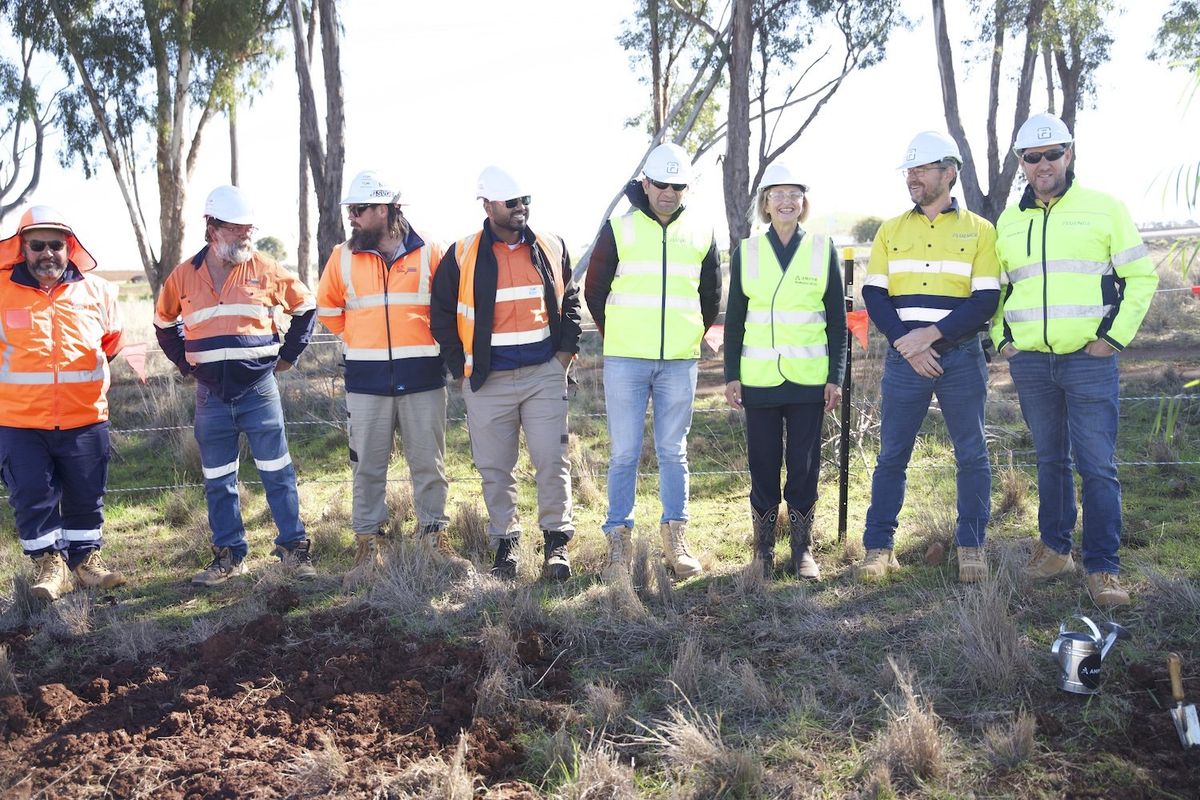
The Bulabul Battery project is a two-stage renewable energy initiative that upon completion would provide 400MW of power and 1GWh of storage capacity.
AMPYR Australia and Wambal Bila have also agreed in principle to collaborate on stage two of the project, due to begin construction in second quarter of 2026 and be fully operational by 2027.
Wambal Bila director Keiyana Guihot believed the model would inspire similar partnerships across the clean energy sector.
"The creation of Wambal Bila and partnership with AMPYR ensures the benefits of the Bulabul Battery project flow directly back to our community," she said.
"It will enable us to invest in our cultural heritage, create economic opportunities, and support the well-being of our people for generations to come."
Yamagigu, a First Nations professional consultancy formerly known as PwC Indigenous Consulting, played a key role in establishing the equity partnership between AMPYR and the Wellington community.
Yamagigu CEO Gavin Brown said it worked closely with AMPYR lawyers to structure and execute the equity deal so it supported the Wellington Aboriginal community.
"We are very grateful to the Wellington Aboriginal community for their trust in us through this process," he said.
"While an Australian industry-first, we believe the model we helped to develop with AMPYR can be used by communities and proponents across the country."