





For many First Nations women, success is built on resilience, cultural strength, and unwavering commitment to community. Yet, beneath these achievements lies an invisible burden—imposter syndrome.
This persistent feeling of self-doubt and inadequacy is magnified for Indigenous women navigating leadership, entrepreneurship, and corporate spaces, where they often work twice as hard to be seen, heard, and valued while balancing cultural responsibilities and professional ambitions.
Women often juggle multiple roles—primary caregivers, cultural custodians, and advocates—while carrying the weight of representing their communities in professional spaces. Despite being highly qualified and bringing unique perspectives to the table, many are left questioning whether they truly belong. This relentless pressure leads to burnout, anxiety, and the fear of failure, creating fertile ground for imposter syndrome to thrive.
In addition to external challenges, lateral violence—harmful behaviour between members of marginalised groups—further complicates this struggle. Rooted in historical trauma, colonial oppression, and systemic disadvantage, lateral violence breeds mistrust, competition, and exclusion among Indigenous women.
When resources, recognition, and opportunities are scarce, internal competition can fracture the sisterhood that should serve as a source of strength and solidarity. For First Nations women striving to break barriers, being undermined or excluded by their peers can be more devastating than any external obstacle. This disunity weakens the collective power of Indigenous women to lift one another and create lasting change.
The antidote to imposter syndrome and lateral violence lies in sisterhood, solidarity, and collective empowerment. When one woman rises, she opens the door for others. Supporting each other's journeys, celebrating successes, and advocating for one another dismantles the cycle of lateral violence and builds a culture of mentorship and shared success.
In the face of these challenges, there are incredible First Nations women in the North who are breaking barriers, leading with courage, and paving the way for others. Jade Ritchie, Rekeesha Fry, and Alinta McGuire are three tenacious women making impact in their respective fields.
Jade, General Manager of Business Development at Tellus Holdings, reflects on her journey: "I didn't stay in my lane; I created a new path. From 20 years as a public servant to an executive in the private sector, I fought imposter syndrome and thrived in a male-dominated industry. Working with hazardous materials at Tellus, I contribute to Australia's green future, protecting and remediating land as a proud Traditional Owner. My unique experiences are my strength, bringing something special to the table."
Alinta, Director of Impact & Innovation at Impact North, reminds us: "There is no shame in being who you are at work."
"Too often, we feel pressured to conform and present ourselves in a certain way, suppressing our cultural identity - which only fuels imposter syndrome. But true leadership isn't about fitting in; it's about standing strong in our culture, breaking barriers and creating space for others to do the same," she said.
"When we show up as our whole selves, we don't just challenge stereotypes - we strengthen diversity and inclusion in our workplaces and ensure the next generation of the Indigenous workforce see strong Indigenous leadership inspiring them to pursue their dreams without feeling like there's a Black ceiling."
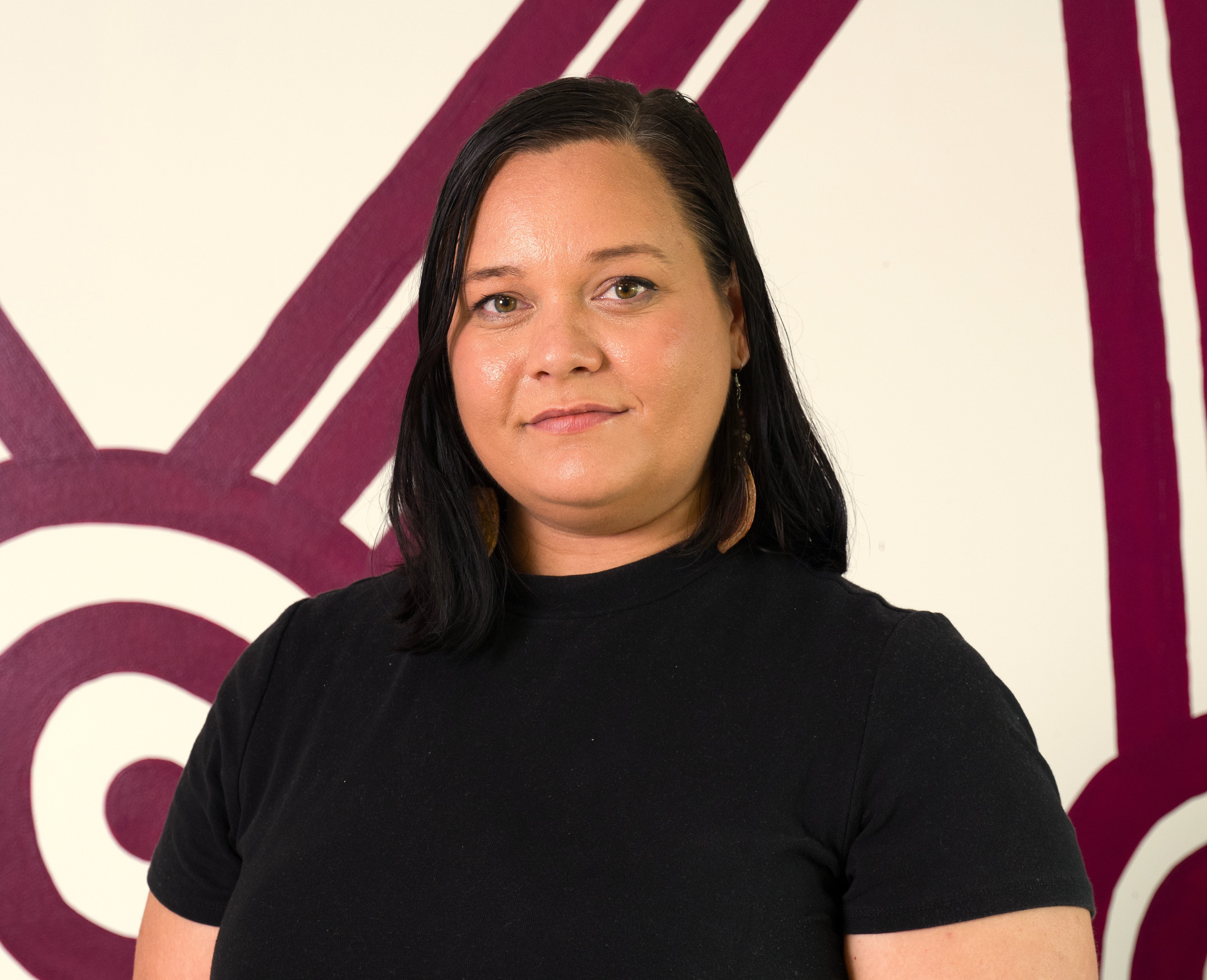
Rekeesha Fry, Director of Jitta Consulting, brings the perspective of business to the conversation in the way she leads by example.
"I'm incredibly proud that my work contributes to building resilient Indigenous businesses and organisations. The flow-on effect—creating sustainability, financial independence, and employment opportunities for mob—is truly rewarding," she said.
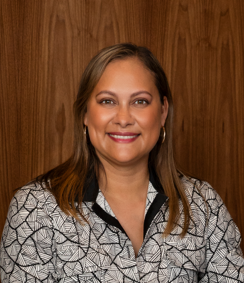
These powerhouse women are not just succeeding — they are creating pathways where none existed, ensuring that future generations inherit spaces where they no longer question their belonging. Their work is a testament to the power of collective impact, cultural strength, and unwavering dedication to community empowerment.
To create meaningful change and secure high-level positions for First Nations women, we must be strategic and intentional. It is not enough to occupy spaces—we must reshape them to reflect our values, experiences, and aspirations.
Mentoring young women, nominating each other for awards, amplifying voices, and holding organisations accountable for meaningful representation are essential steps. By cultivating a culture of inclusivity, advocacy, and mentorship, First Nations women can shatter ceilings and redefine leadership.
To truly influence change and foster representation, we must lift as we climb. When Indigenous women occupy leadership roles, they must create pathways for others by mentoring, advocating, and making space for future leaders. This is how we transform systems, shape policies, and ensure that Indigenous voices are at the heart of decision-making processes.
Because when we rise together, we not only break ceilings—we build new worlds where every First Nations woman can walk boldly, knowing that she is more than enough.