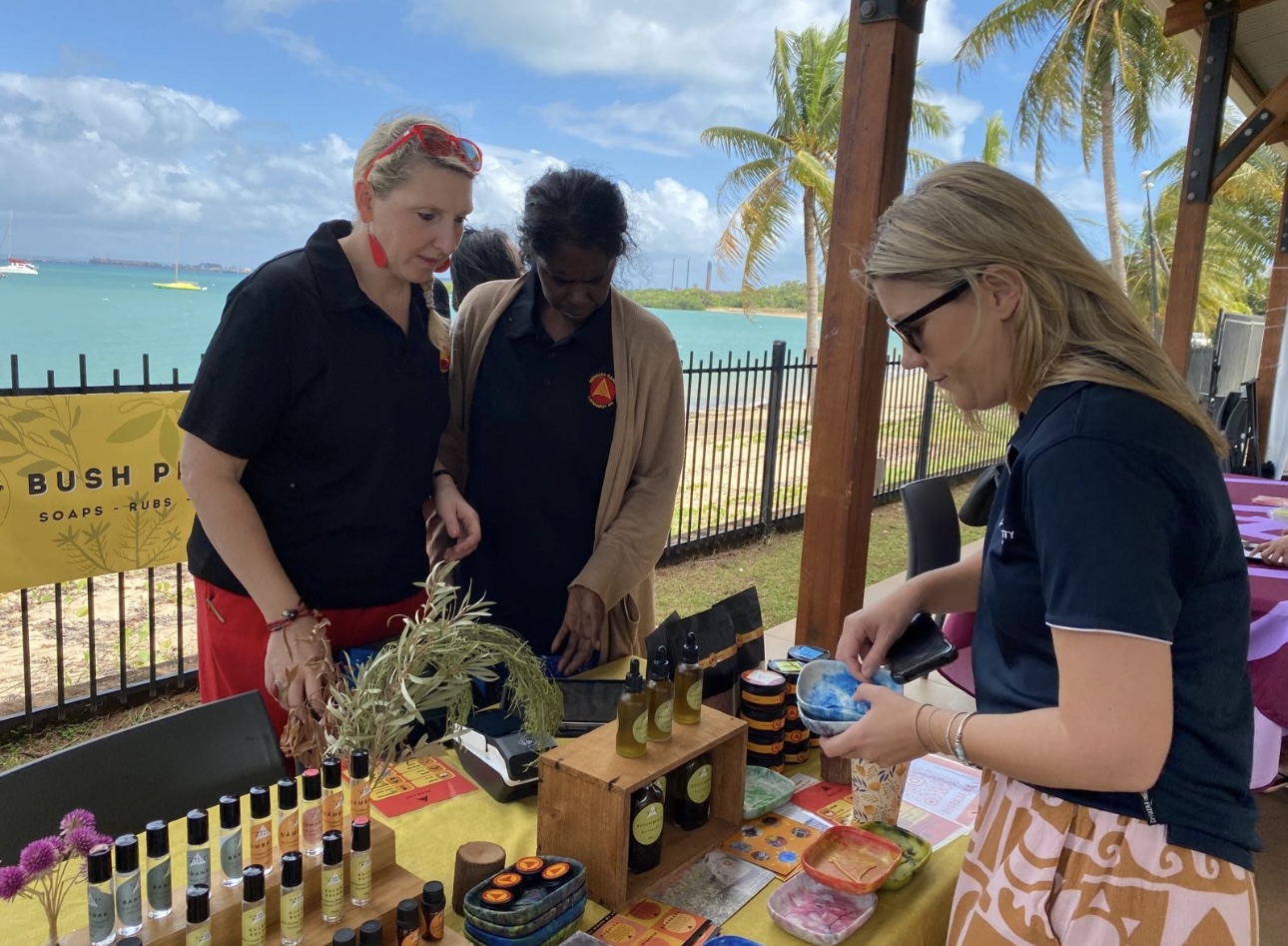




On the coastline of East Arnhem Land, where saltwater meets songlines and generations of knowledge live in every footprint, something powerful is unfolding. It's not just an economic shift — it's a cultural renaissance led by First Nations entrepreneurs who are reclaiming business as a tool for community, identity, and legacy.
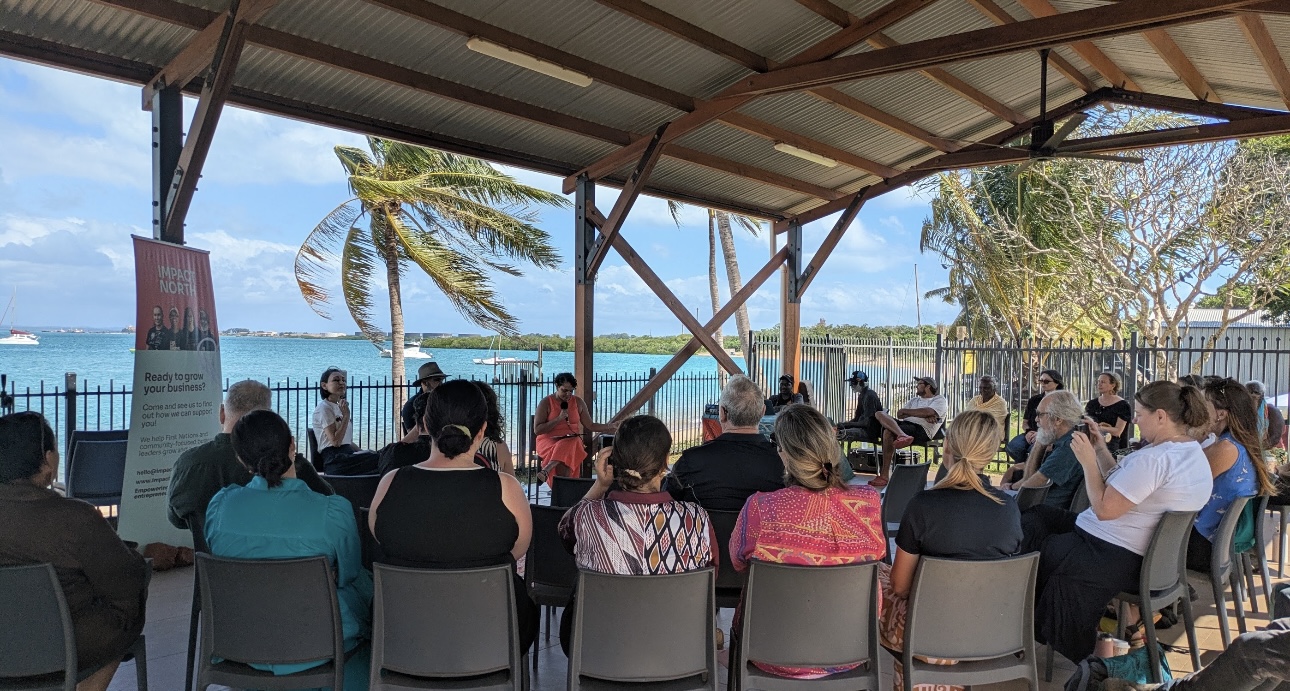
At Räl-Manapanmirr in Nhulunbuy, Yolŋu entrepreneurs, Aboriginal corporations, government partners, and allies came together not simply to discuss enterprise — but to plant the seeds of a future where business is done differently. Where it is done with purpose. Where it is done on Country, for Country.
Because out here, business isn't just business — it's restoration. It's reclamation. It's the path back to Country.
"Success for our business is about rebuilding our community," said Nathan Djerkurra, founder of Buymarr Getaways. "We're doing this so that people can live back on our home."
For many in remote communities, employment options are scarce. Government-funded programs often come with red tape and expiry dates. Training opportunities are limited. Yet the talent, the drive, and the cultural expertise are abundant.
When First Nations people create businesses, we do so with a deeper purpose. We don't just generate income — we create jobs for our mob. We employ our cousins, our uncles, our aunties. We pass on knowledge to our young ones. We buy from other Black businesses. We build Black supply chains. That's economic empowerment rooted in kinship and culture.
But this ecosystem needs support — not charity, but equity.
"We need to have a mindset that grant funding is our seed investor," said Glenda Abraham, CEO of Laynhapuy Homelands Aboriginal Corporation. "Programs need vision and sustainability."
Ms Abraham spoke truth that many remote entrepreneurs live daily. The challenge isn't lack of innovation — it's access. Access to capital, infrastructure, training, and trusted networks. And the reality is stark: "For every business that continues, six will fail." But those failures aren't a reflection of ability. They're a symptom of a system that doesn't yet understand the complexities — or the potential — of remote enterprise.
This is where programs like Impact North's Business Builder become game changers. Clinton Gaykamangu, Senior Cross-Cultural and Language Facilitator, showcased how Yolŋu storytelling and business can coexist.
"Art is more than pretty pictures," he said. "It tells stories."
And those stories are the blueprint of our future.
From bushfoods to botanicals, tourism to textiles, our people are the original subject matter experts. Our knowledge isn't just marketable — it's invaluable. As the world seeks authenticity, sustainability, and connection, there's no better time to invest in First Nations enterprise.
"Our dollar is plummeting, which opens up an opportunity for export," Ms Abraham added.
"People around the world are interested in Indigenous fashion, food, and tourism. This is the time that they can come and spend."
But behind every successful First Nations business is a community of believers. Jess de Tenon, founder of The Body B.A.S.I.C.S, reminded us: "You only need one person to believe in you." That belief — when backed by real support, culturally safe guidance, and long-term investment — turns ideas into impact.
Michael Maymuru of Dhapirrk Security spoke of the strength in "walking in two worlds." That strength is what makes our businesses unique — we honour the old ways while navigating the new.
The day concluded with a Black Coffee networking session — a reminder that connection is currency, and collaboration is key. One participant summed it up beautifully: "The culture is very strong in the clans in this region. That is the beauty of these businesses rising. We want our young people to look upon these people… to see them as leaders."
This is the call to action for Australia: invest in us. Walk with us. Not as saviours, but as partners. Don't just invite us to the table — co-design the table with us. Because when we grow businesses, we grow futures. We grow our communities. We grow hope.
And that's an economy worth building.