





The Australian Government has unveiled the nation's first trade agreement to include a dedicated chapter on First Nations business.
Announced on Thursday, the new initiatives will support Indigenous businesses to expand into the United Arab Emirates and the wider Middle East — a region with a combined GDP exceeding USD$2 trillion.
Developed with the First Nations Trade and Investment Advisory Group, the Australia-UAE Comprehensive Economic Partnership Agreement (CEPA) First Nations Action Plan provides a framework to ensure Indigenous businesses can make full use of the trade deal.
Signed earlier this year by the Federal Government, the agreement came into force last month.
The Indigenous chapter outlines joint cooperation measures designed to help First Nations businesses enter the UAE market and the broader region.
The action plan centres on five pillars: expanding export opportunities through training and seminar programs; building business links via a First Nations-UAE exchange program and CEO network; showcasing First Nations business capability at major events; supporting the protection of Indigenous Cultural and Intellectual Property; and increasing First Nations representation in Australia-UAE investment missions.
Minister for Indigenous Australians, Malarndirri McCarthy, said the government is "working to support First Nations businesses to forge new trading routes overseas and celebrate the businesses that have already found their own international path".
She said the plan "unlocks new opportunities for businesses to export their unique products and services and build closer economic ties with the UAE".
Trade Minister Don Farrell said the government is "proud to deliver on our commitment to represent Australian First Nations interests in our trade and economic policy on the world stage".
"Australia's First Nations peoples were our first traders," he said.
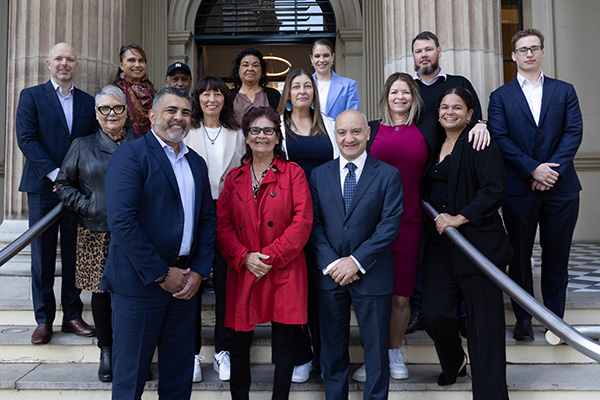
According to the government, the agreement recognises the important role First Nations enterprises play in the bilateral relationship and elevates Indigenous perspectives on sustainable agriculture, investment and intellectual property.
They note Indigenous businesses are particularly well placed to meet rising UAE demand for premium, sustainable and culturally grounded products — from native botanical wellness items and ethically sourced foods to innovative fashion and clean-energy solutions informed by traditional knowledge.
The action plan notes a new First Nations Trade and Investment CEO and Director Network will be created to strengthen cultural and commercial ties between Indigenous business leaders and their counterparts in the UAE.
Senator Farrell said the Action Plan is an "important step in supporting First Nations business sector to realise the enormous potential and benefits of our trade agreement with the UAE".
"It demonstrates our commitment to ensuring the benefits of trade and investment are better shared across the Australian community, including with First Nations peoples and their communities," he said.
The government says the plan will provide practical support across sectors, including the creative industries, the green economy, services, agri-food and critical enabling technologies, strengthening cultural and economic links with the UAE.
In the foreword to the report, Australia's Ambassador for First Nations People, Justin Mohamed, wrote: "Historically, First Nations businesses faced many barriers to export. Those that have found international success have done so through hard work, creativity and resilience."
Data from the University of Melbourne's Dilin Duwa Centre for Indigenous Business Leadership shows there are more than 13,600 Indigenous-owned businesses nationwide, generating around $16.1 billion in annual revenue, paying $4.2 billion in wages, and employing nearly 117,000 people.
The Centre also notes these businesses employ Aboriginal and Torres Strait Islander people at higher rates than any other sector.
This year's Supply Nation Sleeping Giant Rises report argues Indigenous businesses create $42.6 billion of social value each year for Indigenous business owners, their employees, their households and Community.
A full link to the plan can be found online.