



Wiradyuri (Wiradjuri) people have celebrated a rare intervention from the Federal government via Indigenous heritage laws to protect "the most significant cultural areas" of the Belubula River impacted by a $1 billion goldmine project.
Locals cheered in unison at the Wiradyuri Traditional Owners Central West Aboriginal Corporation on Friday after being told of Environment and Water minister Tanya Plibersek's partial declaration.
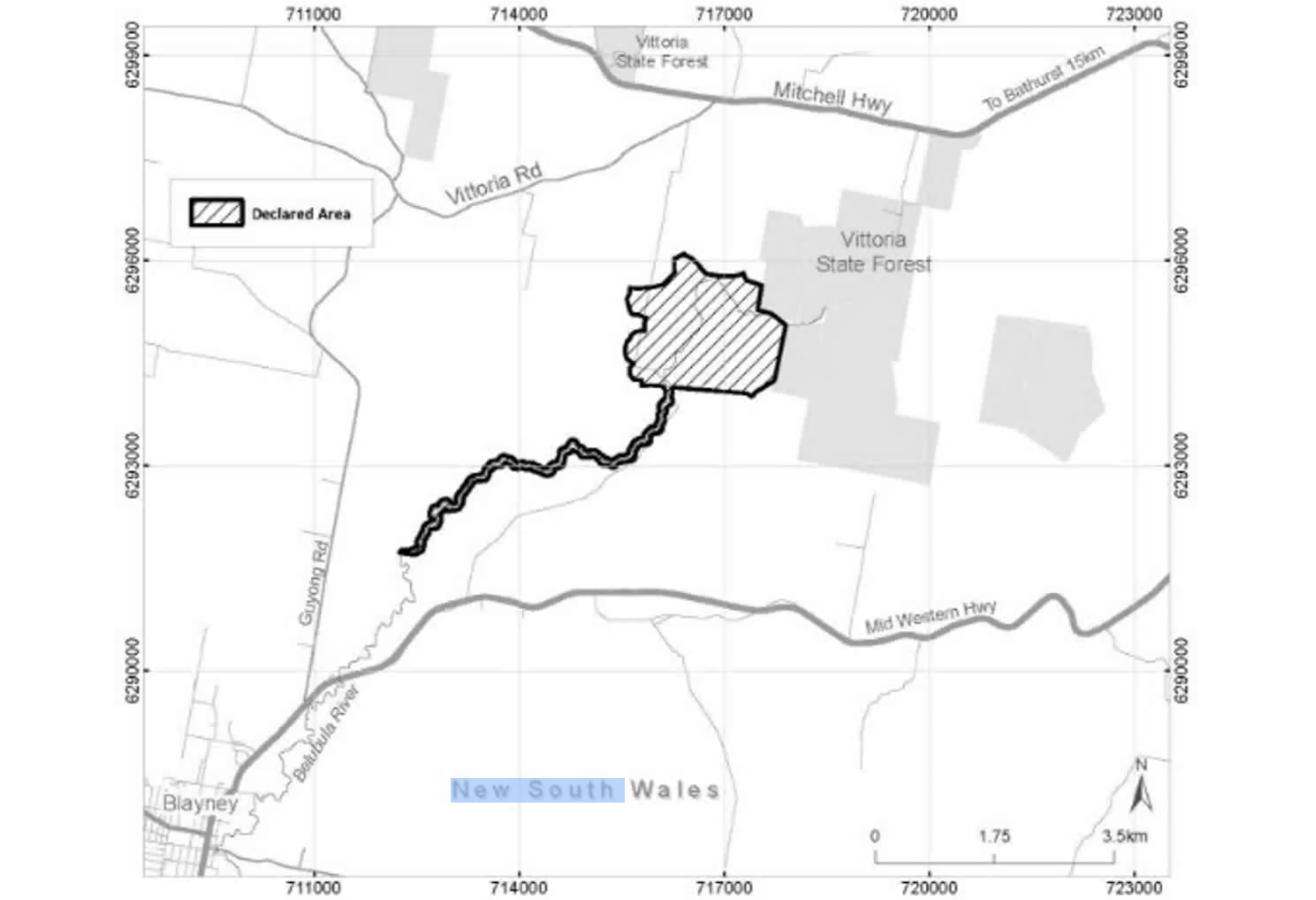
It meant "the most significant areas at the Belubula headwaters … the headwaters themselves, the springs up there as well, and also the river itself" would be protected.
Ms Plibersek approved a Section 10 application to enforce the protection as it held intrinsic cultural significance to the Wiradyuri people, and was still linked to ongoing cultural practices.
WTOCWAC has opposed the mine on cultural grounds, saying sacred songlines going through Kings Plains connect to a sacred site on Wahluu-Mount Panorama, which was protected in 2021.
Wiradjuri elder Aunty Nyree Reynolds in 2021 lodged an application under the ATSHIP Act to protect the proposed footprint of the mine and tailings dam.
The government's rare protection under the Aboriginal and Torres Strait Islander Heritage Protection appears to have scuppered the development of miner Regis Resources' tailings dam, for its $1b McPhillamys gold project near Blayney in western NSW.
Regis on Friday went into a trading halt on the ASX after news of Ms Plibersek's declaration.
After pleas from the Wiradyuri community, Aunty Reynolds lodged the application after drawing strength from them to fight the development, despite a diagnosis of mesothelioma in 2020.
On Friday she told the large gathering of Wiradyuri locals the decision was "still sinking in", and that the fight to protect Country would soon have to pass to others.
"We knew that place was special because our old people have been talking about the Belubula for a long time," she said.
"It's a sacred songline … more than often, we get told our knowledge isn't traditional enough, and we make things up.
"But we've been told [by our ancestors] to always stay on our songline, and talk straight, and tell the truth.
"And we did that, and we did that for Country, and we did it for our mob that come from south: my father's people, my father's Country.
"So there, that place will always be protected, and the waterways, and the sacred springs."
She hoped the decision to protect the sacred site and catchment could lead to change.
"Those waters are sacred, all water is sacred, … one day these mining companies might wake up to that," she told the crowd.
"But for now… I just hope that our ancestors, and our old people, are proud of all of us."
Regis declined to comment on Friday, after the declaration ensured the protection of "a significant Aboriginal heritage area under threat of injury or desecration", via specific conditions to help ensure no disturbance could occur to the area.
Ms Plibersek said the protection order would take effect immediately but not affect Regis' development of the open-cut goldmine, forecast to extract more than 60m tonnes of ore and produce 2m tonnes of gold through its 11-year lifespan.
Ongoing government failure to protect Indigenous heritage via the ATSHIP Act was highlighted in a 2021 parliamentary inquiry into the destruction of Juukan Gorge, a 46,000-year-old Aboriginal heritage site in Western Australia.
Ms Plibersek's declaration - made on Tuesday but announced on Friday - followed an application from the Environmental Council of Central Queensland in June to the High Court to appeal her approval of two large coal mine developments.
The council alleged Ms Plibersek failed to protect the environment from harm caused by climate change when she approved the thermal coalmine expansions could move to the next stage of their assessment process.
"I have decided to make a partial declaration under section 10 of the ATSIHP Act to protect a significant Aboriginal heritage site near Blayney, in central west New South Wales, from being destroyed to build a tailings dam for a gold mine," Ms Pilbersek said.
"The Wiradyuri people, who traditionally lived around the Bathurst area, have significant spiritual and cultural connections to the headwaters of the Belubula River.
"They have featured in many traditions practiced for generations including by Aboriginal people transitioning from youth to young adulthood.
"Some of these traditions have been disclosed to me privately and must remain confidential due to their cultural sensitivity."
She said desecration of the site would threaten continual Wiradyuri culture.
"Because I accept that the headwaters of the Belubula River are of particular significance to the Wiradyuri people in accordance with their tradition, I have decided to protect them," she said.
"Crucially, my decision is not to stop the mine. The company has indicated to me that it has assessed around four sites and 30 potential options for the tailings dam.
"Protecting cultural heritage and development are not mutually exclusive. We can have both.
"The protection of this significant Aboriginal site takes effect immediately."