



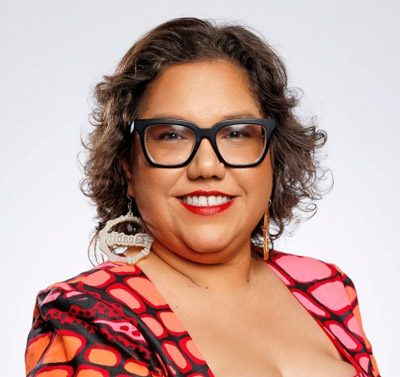

There is a quiet yet powerful shift happening across Australia led by First Nations women who are not only building businesses, but reshaping the systems around them.
Women who are grounded in culture, guided by community and unapologetic in the way they lead.
Carly Forrest is one of those women.
As the founder of The Dreaming Collective, Ms Forrest has created a consultancy which sits at the intersection of cultural knowledge and business practice. For her, this work did not come from a single moment. It came from a pattern.
"The defining moment was not a single event but a pattern I saw repeatedly," Ms Forrest says. "First Nations perspectives were often invited late, treated as advisory rather than foundational, or expected to fit within systems that were not designed with us in mind."
It is a reality many First Nations professionals know well. Being brought in too late. Being asked to adapt rather than lead. Being expected to translate culture into systems which were never built to hold it.
"I could see the gap between intention and practice, and the impact that gap had on outcomes for our communities," Ms Forrest says.
That gap became the foundation for The Dreaming Collective. A business built not just to consult, but to shift the way organisations think, engage and operate.
"The work is about ensuring First Nations voices are not only heard but embedded in decision-making processes, governance structures and partnership models," Ms Forrest says.
"I felt a responsibility to step into that role because I could see both the need and the opportunity."
Ms Forrest's journey into business has always carried that dual lens. A Bachelor of Business Management graduate, she recalls being one of only two known Aboriginal students in her business school at the time.
"I have always felt a strong sense of walking in this western business world with a cultural lens and needing to break down barriers so our mob can participate fully," Ms Forrest says.
The ability to walk between worlds is what defines her leadership today. But it is not without its challenges.
"Holding cultural responsibility requires clarity of values and boundaries," Ms Forrest says. "Cultural integrity cannot be an add-on to professional practice; it needs to shape how work is approached, how relationships are built and how decisions are made."
In environments where process often outweighs people, Ms Forrest is clear about her role.
"My role is often to create space for a different way of working that recognises relational accountability, reciprocity and respect for cultural authority," she says.
It is a message which sits at the heart of Ms Forrest's work and one that extends into how she defines true partnership.
"Meaningful partnership begins with recognising that First Nations communities hold knowledge, expertise and authority," she says. "It requires early engagement, shared decision-making and a commitment to long-term relationships rather than transactional consultation."
Too often, Ms Forrest says, organisations fall into the trap of treating engagement as a checkbox.
"Where organisations often get it wrong is approaching partnership as a compliance exercise," she says. "Effective partnerships are built on trust, consistency and accountability over time."
This depth of thinking and lived experience is what she now brings into governance spaces, including her recent appointment to the Outback Stores board.
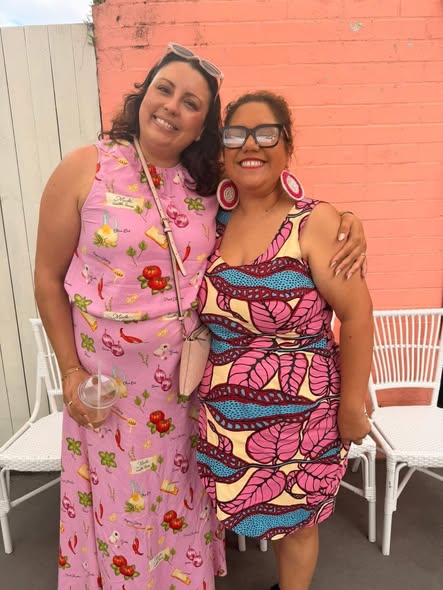
But for Ms Forrest, representation is not about visibility alone. It is about impact.
"Representation at governance level is important because decisions made in these spaces directly affect everyday life in remote communities," she says.
From food security to cost of living, the implications are real and immediate.
"For me, representation is not symbolic," she says "It is about influencing decisions, so they better reflect the realities of remote life and contribute to practical improvements in food security, economic participation and community wellbeing."
Her leadership, however, is not just about the present. It is deeply future-focused.
"I would say that your cultural knowledge, lived experience and perspective are strengths, not limitations," Ms Forrest says, reflecting on advice for the next generation of First Nations women.
"There can be pressure to adapt to existing systems... but our ways of knowing, being and doing are not barriers to leadership, they are assets."
Ms Forrest speaks openly about the need to strengthen pathways, particularly into governance and decision-making roles.
"We need systems that actively create space for our leadership to thrive," she says.
At its core, Ms Forrest's leadership is grounded in something deeper than business success. It is about collective progress.
"Collective leadership is powerful," Ms Forrest says. "When we support each other, share knowledge across generations and create opportunities for those coming behind us, we strengthen the foundations for future leaders."
Women like Carly Forrest are not just participating in business. They are redefining it.
And in doing so, they are building something far greater than a career. They are building legacy.