



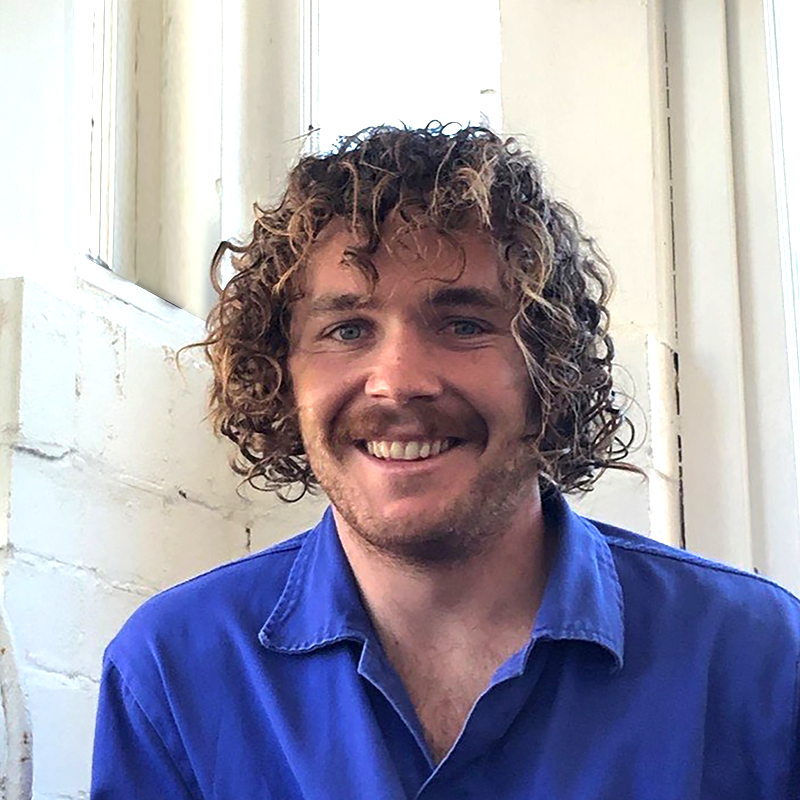

A first-ever national Indigenous philanthropic gathering was as much about educating the broader sector how to fund First Nations people and organisations as it is about those groups strengthening their means to do so. This was the idea and value of the Blak Lounge Room Philanthropy Conference in Naarm last week, organiser John Harding explained.
Mr Harding is a Kuku Yulangi and Torres Strait Islander man and Founder of Barma Bijiril, an organisation already doing much of the work the conference set out to achieve.
Also on the agenda for the three-day event was conversations to help shape what a national peak for First Nations philanthropy might look like.
Western Australian-based charity Minderoo Foundation approached Barmal Bijiril with the idea of the conference drawn off Mr Harding's grassroots Blak Loungroom project.
"The idea of the conference was to bring First Nations people into the philanthropic sector, but also for the philanthropic sector to spend time and meet and hear deep listening to First Nations communities, their issues and their priorities, and really just to start forging connections," Mr Harding told National Indigenous Times at the gathering.
He said plenty of the Indigenous organisations in the room had some experience securing one-off or patchy philanthropic funding, without the foundations for ongoing relationships.
Other elements creating what can be felt as a "power imbalance", if not barrier, sometimes cultural, get in the way.
An organisation doing their work in a community, in a regional area, can't just put an ad in the paper and hope for widespread attention for example, Mr Harding said.
"One of the best ways to address a power imbalance is to begin by going to the place where the person that has the imbalance feels empowered to talk to you."
Uncle Rod Williams, an Indigenous business advisor and managing director of Gongan Consultancy, spoke to the conference about the value of the cultural and spiritual foundation Indigenous organisations can add to Western 'paradigms' in their work.
Uncle Rod said it creates a 'Quintuple Bottom Line' to operate from; Cultural, Spiritual, Social, Environment and Financial Balance.
"Culturally, economically, socially...it's a way of re thinking. it's saying culture is your business, and that's the point. And if you have to put an economic dollar value on it, it doesn't cheapen it. You haven't lost it. You actually have strengthened your ownership of it," he added.
Philanthropy Australia's first Aboriginal and Torres Strait Islander Funders Reporting Survey (published in 2025) found 1.5 per cent of a total $12.1 billion in philanthropic giving in the 2022-2023 financial year - or $179.9 million - went to projects aimed to benefit Indigenous people.
Within this figure, $111.1m of this was received by Indigenous-led and controlled organisations.
The Productivity Commission's 2024 Future foundations for giving Inquiry report recommended the establishment of an independent organisation 'to strengthen relationships between Aboriginal and Torres Strait Islander organisations and philanthropic networks".
This formed what Mr Harding called the 'meat and potatoes' day of the conference with two major things on the agenda; workshop about funding and another on membership and structure.
"It's really about creating something that's tangible in terms of funding, membership and structure recommendations," he said.
"All the organisations, they understood it's not about you coming here to get funded. It's about you coming here to support an initiative that's going to create a much better world for all our people. Come here and be part of a team, and we'll find solutions together."
Mr Harding told National Indigenous Times a national peak could hopefully "transform the culture of giving".
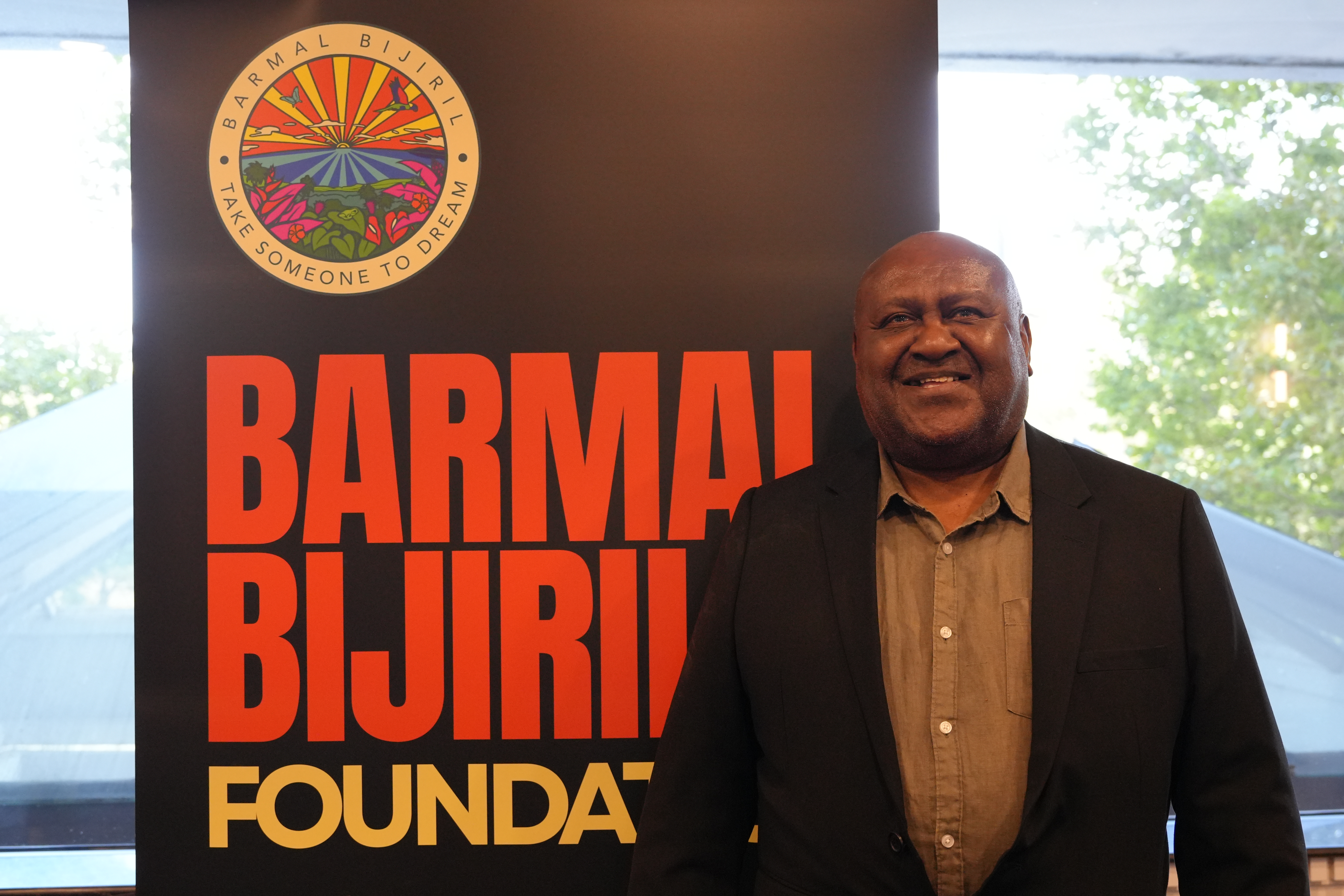
In a pre-recorded message, federal Assistant Minister for Productivity, Competition, Charities and Treasury, Andrew Leigh, said the conference "has also been shaped by a clear national conversation".
"The Productivity Commission's Future Foundations for Giving report recognised the value of stronger pathways between Aboriginal and Torres Strait Islander communities and the philanthropic sector," he said.
"It recommended an independent body, controlled by and for Aboriginal and Torres Strait Islander people and communities, to improve access to philanthropic capital and support economic empowerment for First Nations communities."
"The case for a First Nations Philanthropic Collaboration is strong," Dr Leigh added.
"We need to encourage philanthropic organisations to partner with First Nations peoples in order to be more culturally safe and responsive when they work with Aboriginal and Torres Strait Islander people and organisations.
"We need to help Aboriginal and Torres Strait Islander people, organisations and communities build stronger relationships with philanthropic and volunteering networks, while also supporting the growth of new and existing philanthropic organisations led by First Nations communities. These are practical reforms. They will lead to stronger relationships, better cultural capability, and a larger space for First Nations‑led institutions to grow their own foundations."
A report taken from conference discussion is due to be submitted back to the federal government.
Mr Harding hopes it's just the first of ongoing Black Lounge Room national conferences.
"The whole point of this organisation and this conference is to start taking people to dreaming beyond the confines and the limits of your own realities.
"You don't have to accept reality as it is. Start dreaming."