



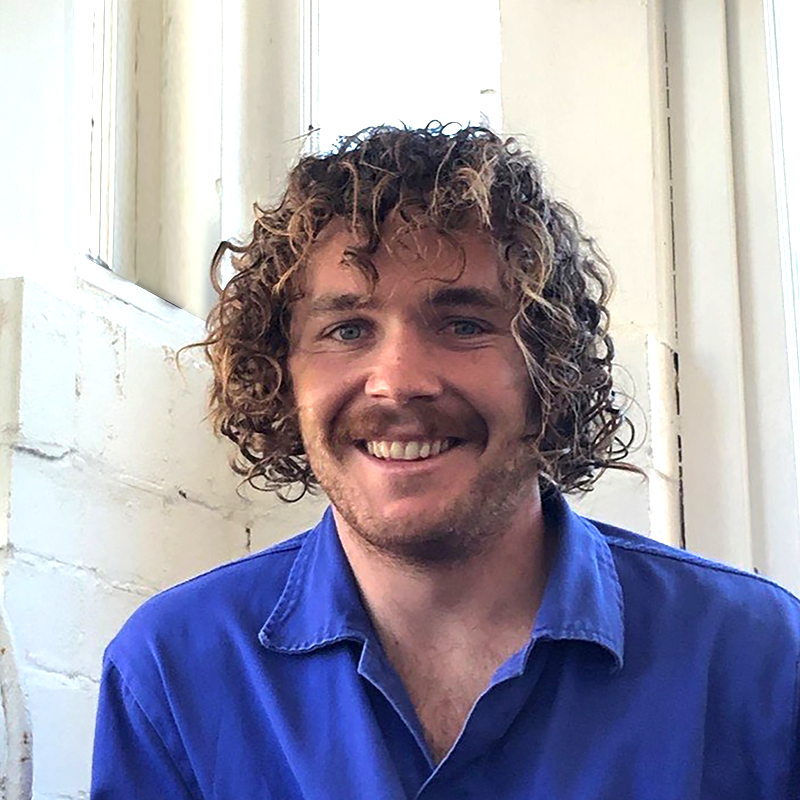

Bringing in those with experience and doing the work can set foundations for what the future looks like in First Nations clean energy solutions, according to Wiradjuri woman Tegan Miller.
More than a dozen speakers, including Ms Miller, featured at last week's Victoria First Nations Clean Energy Gathering, which saw statewide Traditional Owners, Aboriginal Land Council and organisations, and community — as well as those from other corners of the continent and across the world — meet on Dja Dja Wurrung Country in Bendigo.
The single-day event was planned as an opportunity for First Nations groups from across the state to discuss equity agreements in renewable energy projects, planning and development, and policy complexities in clean energy development and participation on lands and waters.
Ms Miller is Victoria's policy and engagement lead for the First Nations Clean Energy Network.
"One of the powerful things about today's First Nations clean energy gathering (hosted by the Network) was bringing in other community members who are already driving and benefiting from their own projects," she said last week.
"Today showcased examples of equity participation including from Wambal Bila in NSW and Barngarla in South Australia - who really talked through what strong negotiations can look like on our terms and demonstrating that what communities want is achievable.
"We also heard from our Canadian partners who emphasised the economic development, employment and other benefits when projects are run by community."
Wambal Bilahas has a stake in the Bulabul Battery project, with the organisation representing the local Aboriginal community in Wellington on Wiradjuri Country in an equity partnership with renewable energy developer AMPYR.
The gathering was primarily focused on sharing knowledge and ideas, going about best practices, forming new ideas and collective partnerships.
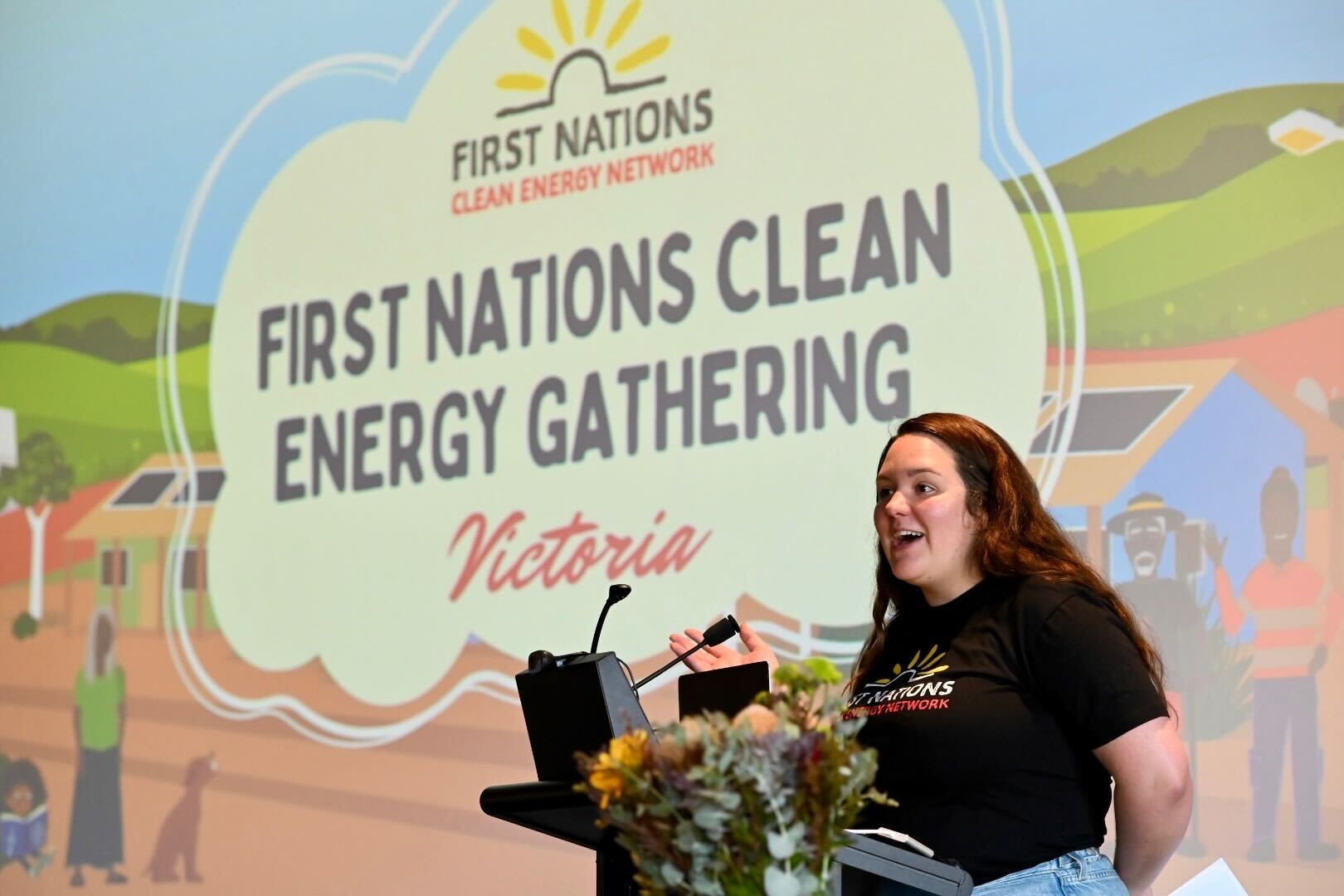
Victoria has significant renewables targets in the coming decades.
The Victorian Government has set a target renewable electricity generation at 95 per cent by 2035, and 75-80 per cent of it's way to net-zero emission by the same year on the way to full net-zero by 2045-50.
"It was so great to see the level of experience in the room and community members talking about what it can look like when clean energy projects are self determined by community," Ms Miller said.
"Whether that's about addressing power bills, building a locally owned development, accessing lessons in how to negotiate, today really was about sharing lessons and what's possible."