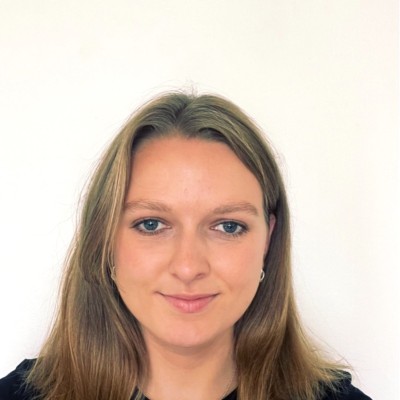

Yawuru entrepreneur, lawyer, and businesswoman Cara Peek has challenged organisations to move beyond standard Indigenous employment targets and procurement quotas, calling for genuine ownership, capital accumulation, and long-term economic autonomy for First Nations communities.
Closing day one, November 4, of the two day Aboriginal Enterprises in Mining, Energy and Exploration (AEMEE) conference in Rubibi (Broome), on her ancestral Yawuru Country, Ms Peek drew directly on her cross-sector career spanning corporate law, major resources projects, and Indigenous enterprise to examine who holds structural power in Australia's economy.
Her core message was direct: real progress must be quantified by what communities retain, not what institutions outlay.
"We need to stop measuring only with what we spend and start measuring with what remains," she told the audience.
Ms Peek, founder of Saltwater Country (one of a number of business) reflected on a professional trajectory that began at 22 with Rio Tinto at the Diavik Diamond Mine in Canada's Northwest Territories, leading stakeholder engagement alongside local First Nations groups, before moving through corporate law and back home to Western Australia's Kimberley region.
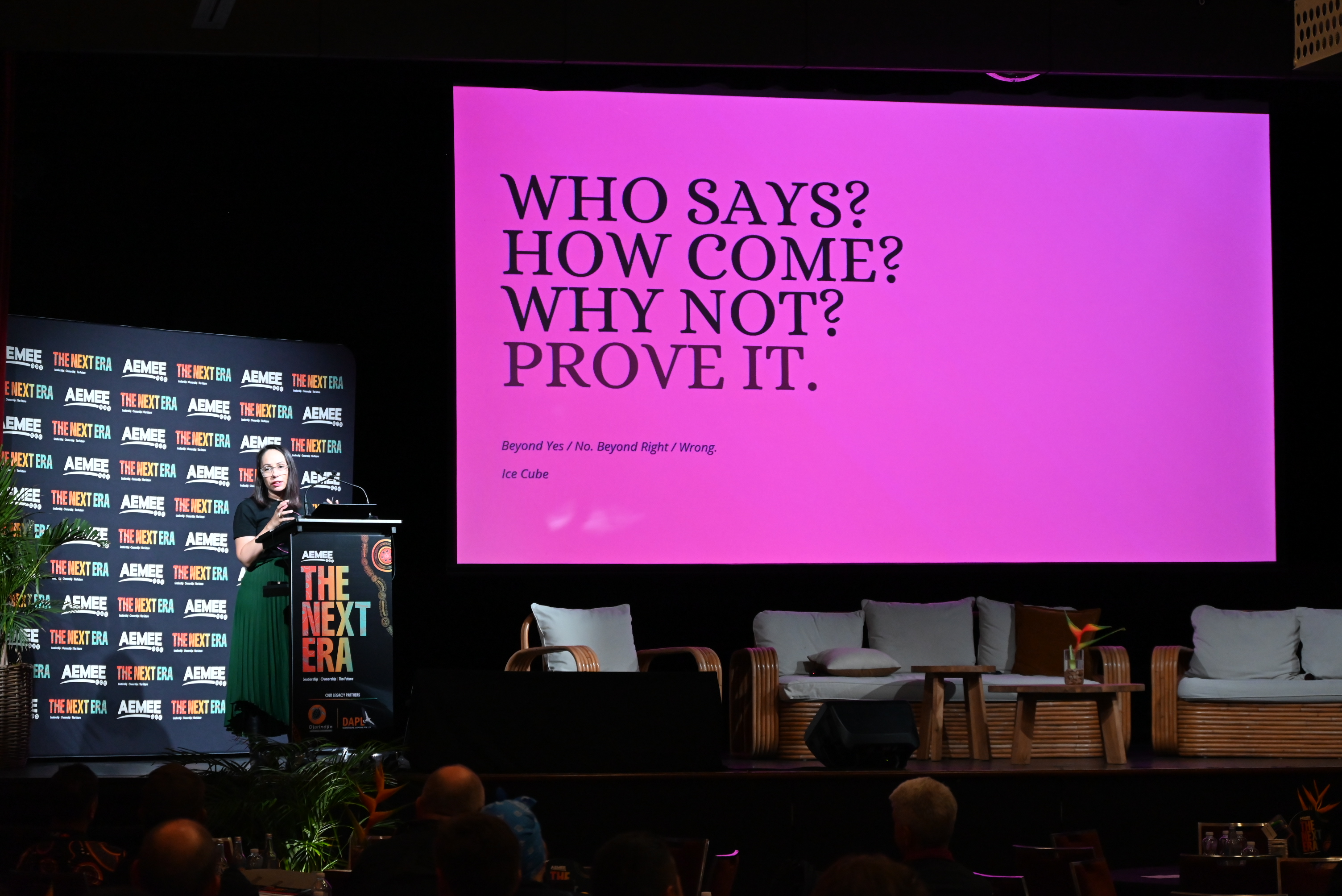
Image: Phoebe Solon
Throughout that journey, she treated employment as leverage rather than a final stop.
"I've literally entered every job I've had, working for somebody else, with an exit strategy before I step foot in the door," she said, noting that clarity around boundaries, options, and negotiated terms is critical to maintaining self-determination.
From those experiences, she outlined six core pillars organisations must confront: capital and contracts, courage and conviction, consistency, competence over comfort, cultural intelligence, and camaraderie and collaboration.
Intentions alone, she stressed, do not generate equity.
"It's easier to announce support than it is to change how decisions are made," she said.
Ms Peek urged corporate and government leaders to interrogate whether procurement streams actually produce lasting independence or merely temporary reliance.
She questioned whether contracting firms are building balance-sheet wealth, retaining equity, and developing diversified client bases beyond standard supplier diversity quotas.
"Jobs and contracts and training and recognition, they all matter, but activity isn't enduring economic power," she said. "You can run on the spot for as long as you want. It doesn't mean you're going to move forward."
Returning to Rubibi to be close to family, Ms Peek set out to address the acute lack of regional capital access and enterprise capability by co-founding community-led infrastructures.
"We stopped waiting for other solutions, and we started to build them ourselves," she said.
Those ecosystems includes Make It Happen HQ - an innovation and digital hub co-founded with her sister Adele Peek - alongside The Cultural Intelligence Project and Saltwater Country, whose Saltwater Academy delivers accredited project management training for remote youth.
She also underscored the operational necessity of protecting Indigenous intellectual property, recalling successful legal action she undertook after an external company infringed on the Make It Happen HQ trademark.
"It's one thing to have the rights, it's a whole other thing to be able to fund defending the rights," she noted.
Closing her address, Ms Peek called for tax reform, equity investment, and reciprocal commercial partnerships over extractive supplier deals, redefining wealth to include cultural authority, health, and intergenerational security.
"We have reciprocal and relational existence," she said, urging attendees to establish a concrete 90-day plan targeting cultural competence and meaningful commercial backing for First Nations ventures.
"The journey I've gone on is one on my own terms, my own education. I'm looking for solutions that other people will jump in on," she said.