




Speakers called for greater support of Indigenous leadership and culturally safe workplaces at the First Nations UNLIMITED Leadership Summit on Thursday in Sydney - highlighting the importance of self-determination, trauma-informed practice, and Indigenous-led systems across education, government, and community sectors.
Hosted at Sydney Boulevard Hotel on Gadigal Country, the Summit served as an essential platform for Indigenous leaders, changemakers and allies to share success stories and insights, celebrate progress and look towards a brighter future for First Nations people.
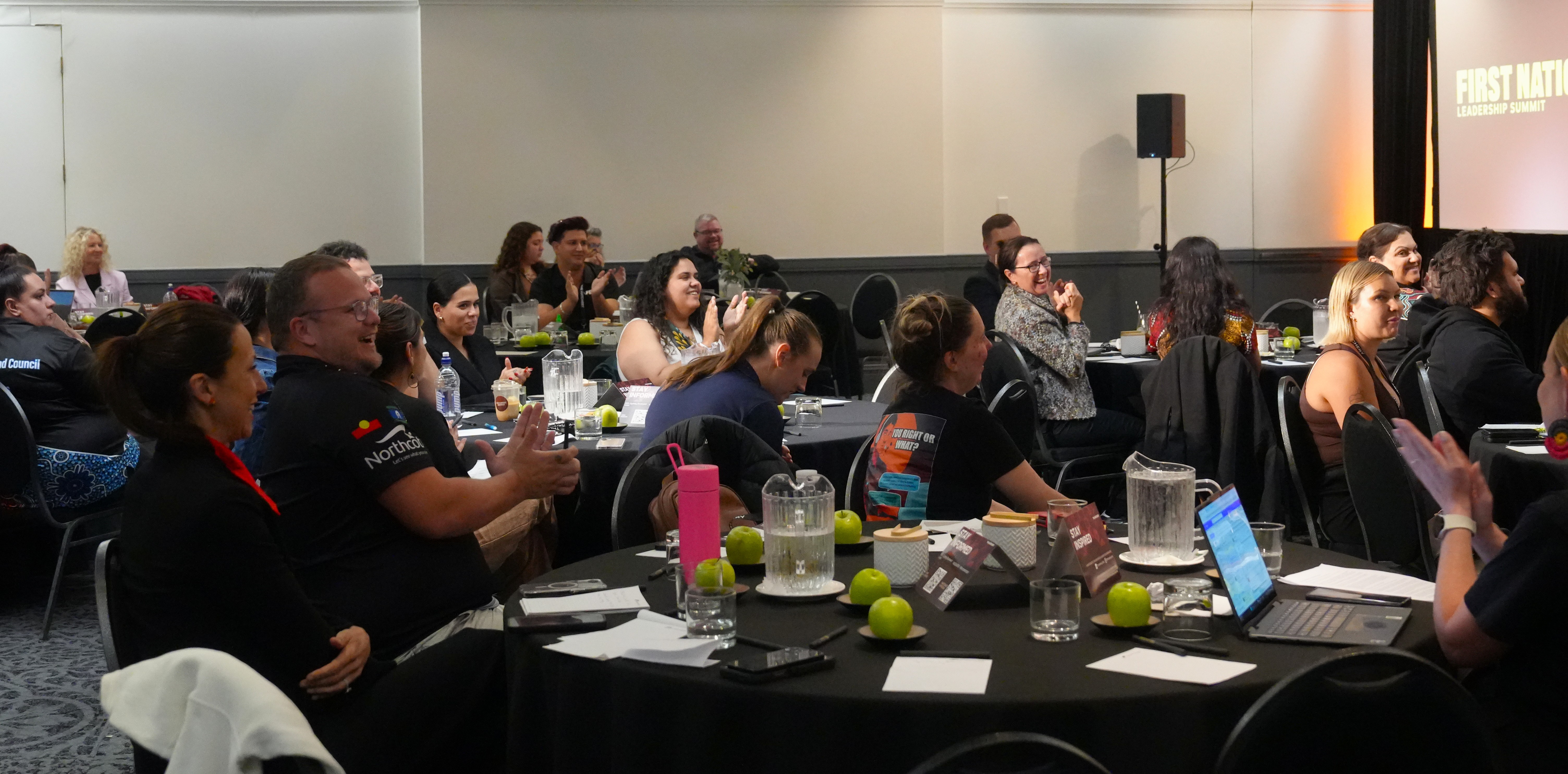
At an impromptu panel on its final day, Isaac Maher, Katie Spry, and Cyndee Davis joined Ngemba woman and Emcee Lil Gordon to discuss the ongoing need for culturally safe workplaces and the role of First Nations leadership in driving systemic change.
"The shift that we are slowly starting to see within the Government is that we are being invited to some of those tables and part of some of those discussions," said Ms Spry, Gumbaynggirr woman and TAFE NSW Aboriginal Employment Advocate.
'I wouldn't say that we've got it nailed yet, but we are beginning to move towards that, and it is nice to have that leadership role...where we are invited to be at that table and have influence and advocacy and the ability to shape some of those decisions that have been made for our people and for our employees.
"I think the retention is starting to take place. Instead of just prioritising getting new employees through the door, we're starting to see a shift towards how we reinvest into the employees that we have and retain our talent. And I think that's really important."
But while there have been some signs of growth, the need for continued efforts towards culturally safe spaces and practices remains pressing. Mr Maher, an Arrente and Noongar man and Children, Youth and Families worker, argues that non-Indigenous perspectives need to change to achieve effective results.
"Look, I think there is a lot of support, and it's a space that is still growing, but I think it's more important to think about the actual practice that we follow in terms of working with Aboriginal people and families as well," he said.
"I think it is growing, and it's starting with our team, but it needs to spread to non Indigenous Australians, and especially those who are case managers for our families. That's where it's most problematic at the moment, where they're taking children because their risk lens is much higher than what it might be for our community," he explained, referencing how multigenerational homes for First Nations communities are seen as overcrowding for case workers.
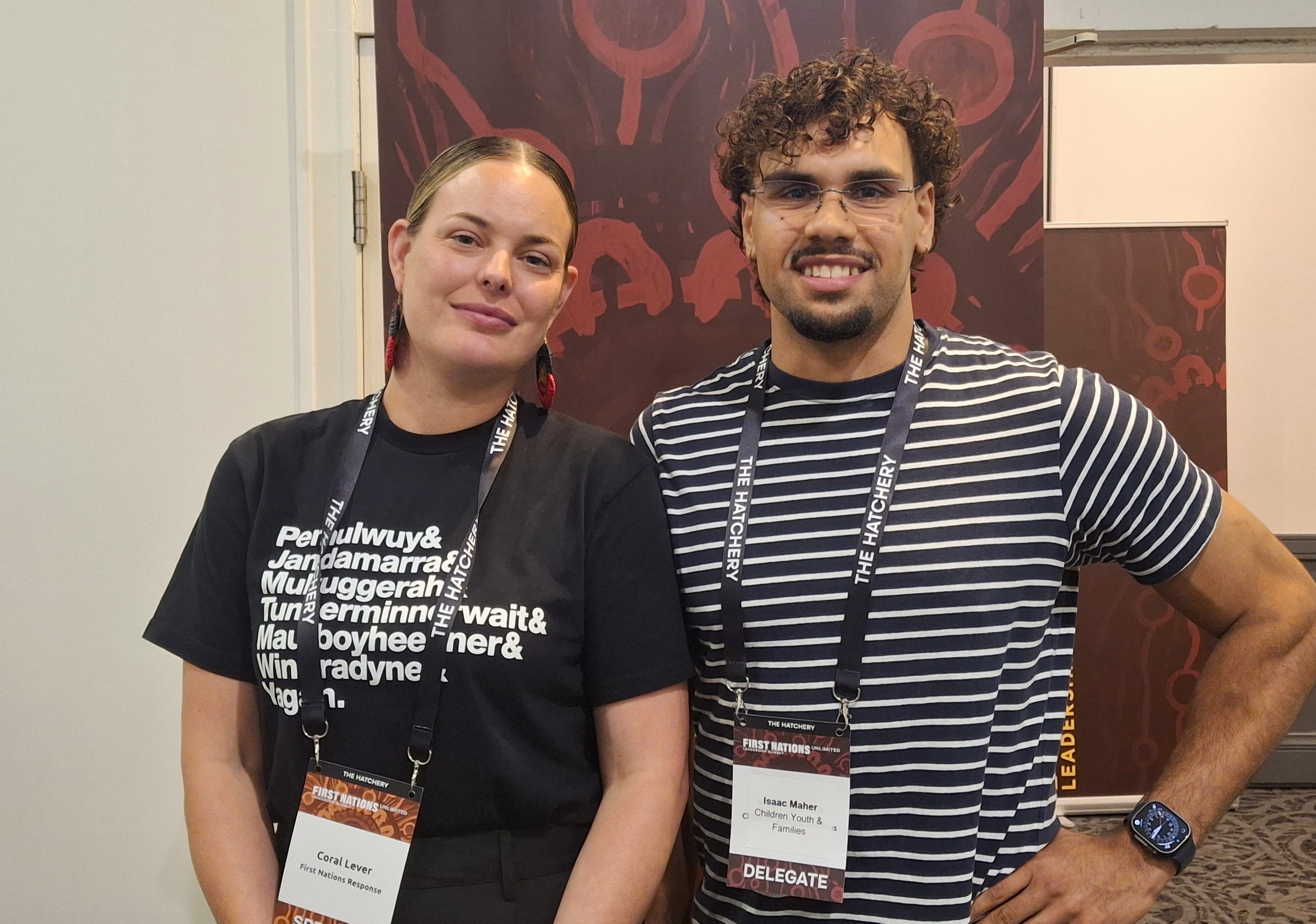
Mr Maher said these attitudes can have real consequences for families, urging greater empathy and understanding in casework settings.
"Because when we think about cultural safety, in many ways, it's individual. So when we think about cultural safety and how we make sure that an organisation is culturally safe. That's a big piece of work, and a big element in that, because people have to understand something to correct anything," he said.
Ms Spry echoed those sentiments, stressing that cultural safety must be defined and led by First Nations people themselves.
"Cultural safety is unique and individual to each one of us," she explained.
Ms Spry also highlighted the need for leadership to recognise the impact of vicarious trauma in the workplace, noting that true safety comes when Aboriginal and Torres Strait Islander employees lead the conversations about what is safe, rather than being told what that looks like.
"Cultural safety looks like having your Aboriginal Torres Strait Islander employees really lead that conversation and those initiatives, and be at the forefront of what is safe for us, as opposed to being told, this is what we're going to do for you," she said.
"What your participation and what your engagement looks like is completely up to you. It is not mandated, and you aren't forced to be at any of the activities that we may have, but it is there if you want it... So for me, it's an option to be able to connect with other Aboriginal people."
Cyndee Davis, a proud Wiradjuri woman from the National Indigenous Australians Agency, shared how culturally safe environments can transform workplaces and empower staff to thrive.
"There is a focus on supporting First Nations staff within the NIAA, and I think they do lead by example, and so they should as the National Indigenous Australians Agency," Ms Davis said.
"As soon as I walked in the door, it just felt like my family had wrapped their arms around me. So that's the place that I want to be. So many development opportunities, so many networks that we've got, and just having the staff support each other."
The session closed with a call to action for governments, organisations, and communities to continue embedding cultural safety across their practices and invest in the potential of Indigenous leadership in creating safer, stronger, and more inclusive workplaces.