





The Australian Human Rights Commission has launched a new national anti-racism campaign calling on employers to take more responsibility for addressing racism in their workplaces.
The campaign, Change the system. Change the story, asks leaders and managers to broaden their awareness and understanding of racism and use their influence to change workplace rules and culture.
On Wednesday, the Commission said the campaign is informed by impacted communities' experiences captured in the Commission's Seen & Heard project, Racism@Uni study and National Anti-Racism Framework. The campaign is supported by community groups most affected by racism alongside major union, employer and civil society peak bodies.
Research by the Centre for Indigenous People and Work (CIPW) at the University of Technology Sydney, published in March under Gari Yala 2 (Speak the Truth), found 60 per cent of Indigenous employees experience racism in Australian workplaces.
In July the Centre urged the Labor Party to use its National Conference to commit to stronger workplace anti-racism laws, including a legal requirement for employers to take proactive steps to prevent racism. The previous month, the parliamentary inquiry examining racism aimed at Indigenous people heard evidence arguing Reconciliation Action Plans (RAPs) are helping reduce workplace racism and improve cultural safety for Indigenous employees.
The Human Rights Commission noted that while 50 per cent of First Nations employees experience racism at work, where a workplace has both anti-racism training and a complaints process, that figure falls to 40 per cent, compared with 66 per cent where neither exists.
At the heart of the Commission's new campaign is a simple message: "feeling safe, respected and included at work is the right of every person, no matter their race, religion or cultural background".
Australian Institute of Health and Safety data from this year shows that two-thirds of workers have experienced or witnessed racism at work, yet nearly half say it is rarely treated as a workplace safety issue.
According to (Diversity Council of Australia, 2022), around 90 per cent Australian workers identify racism as a workplace problem and believe companies must take active measures to address it but only 27 per cent believe their organisations are proactive in preventing it.
The new campaign calls on leaders to:
● LISTEN: Create safe, trusted ways for people who experience racism to speak about what is happening at work and what needs to change.
● LEARN: Build understanding of what workplace racism looks like and how everyday rules, policies and decisions can create unequal outcomes.
● LEAD: Act when racism occurs, change workplace rules and decisions, and support pathways into leadership for people with lived experience of racism.
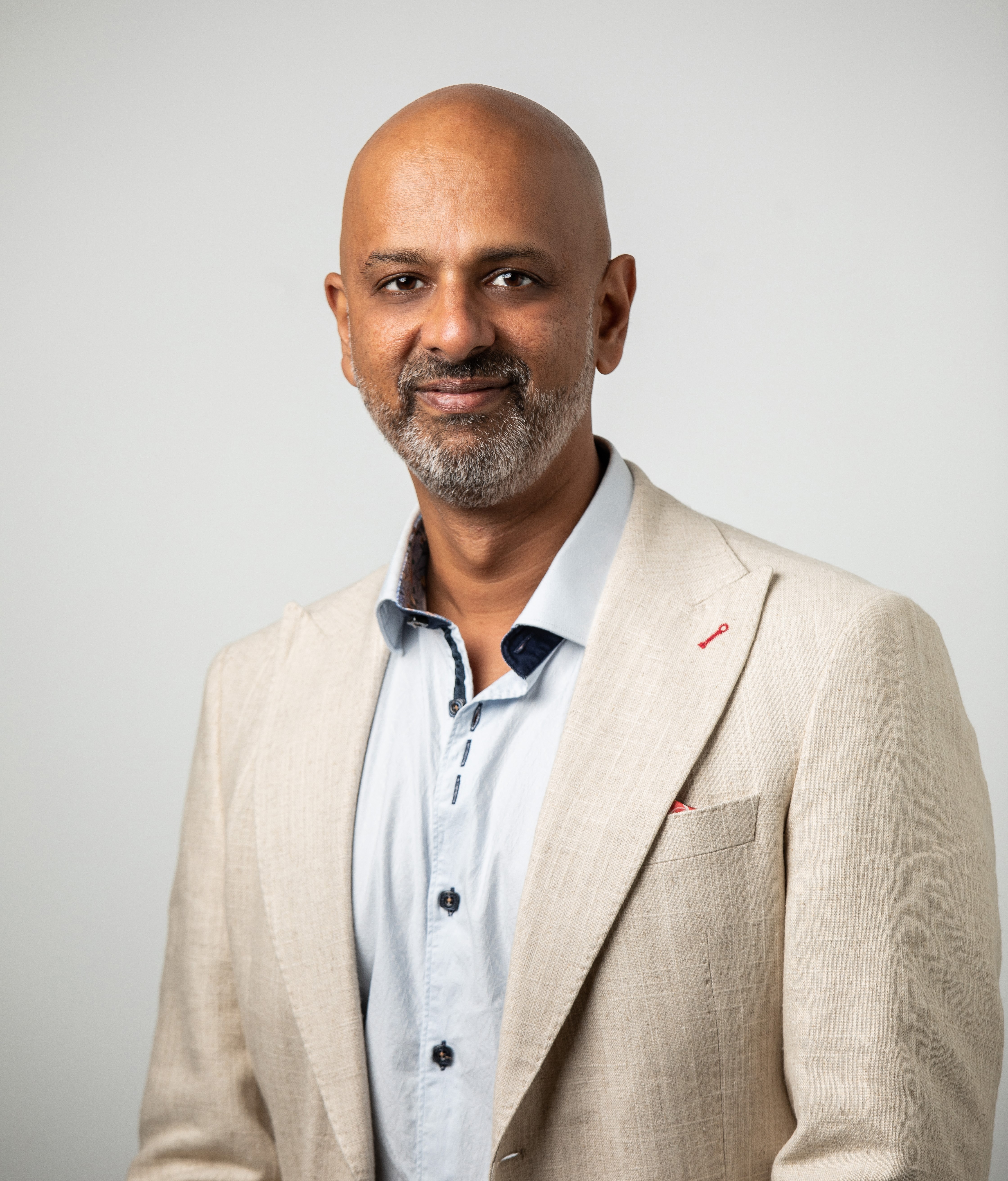
Race Discrimination Commissioner Giridharan Sivaraman said "every person in Australia has the right to feel safe and respected at work, whatever their race, religion or identity".
"People told us again and again that racism at work is systemic. It lives in the rules, the systems and the inaction of those with the power to change them," he said.
"This campaign urges leaders to change their systems and, consequently, change the story of how people at work experience respect, dignity and belonging."
The campaign includes a range of practical resources, guides and tools available on the Commission's website to help employers improve their workplace policies and practice.
Campaign assets including videos, social media content, posters and infographics are also available to help organisations promote the campaign through their networks.
The campaign's creative concept of facial fragmentation "reflects how the experience of racism can diminish a person's sense of self and strip them of their dignity", the Commission said. This has been a common theme throughout the Commission's consultations with communities affected by racism.
The other common theme was that workplaces are a key setting where people experienced issues such as: being excluded, harassed and vilified; a lack of safety when expressing identity, grief or solidarity with their community; or being penalised or sacked for speaking up about racism.
The Seen & Heard project was established with funding from the Department of Home Affairs after a sharp rise in racism following the events of 7 October 2023. The project's recently released report, The struggle to be seen, the power in being heard, gave voice to the experiences of Australia's Jewish, Muslim, Palestinian, Arab and Israeli communities.
Mr Sivaraman said the Commission acknowledged and condemns the increased racism and discrimination that Australia's Jewish, Palestinian, Arab, Muslim and Israeli communities have experienced over the last three years.
"Their experiences reflect a key aspect of how racism manifests in workplaces. Events and circumstances here in Australia and around the world can change who the target of racism is, but the inherent and underlying systemic issues which let racism fester in workplaces continue to remain in place. That's why we need to change the system and make our workplaces safe places where everyone feels welcome and has opportunities to thrive," he said.
The Change the system. Change the story. campaign webpage is live.