




The Sunshine Coast First Nations Business Showcase brought Indigenous business owners together with government and industry last week to build relationships and explore opportunities for contracts and collaboration.
Held at Venue 114 in Bokarina on Kabi Kabi Country on October 6, the event formed part of Indigenous Business Month.
The program listed 61 participating First Nations businesses, alongside business pitches, masterclasses and a panel exploring Indigenous enterprise.
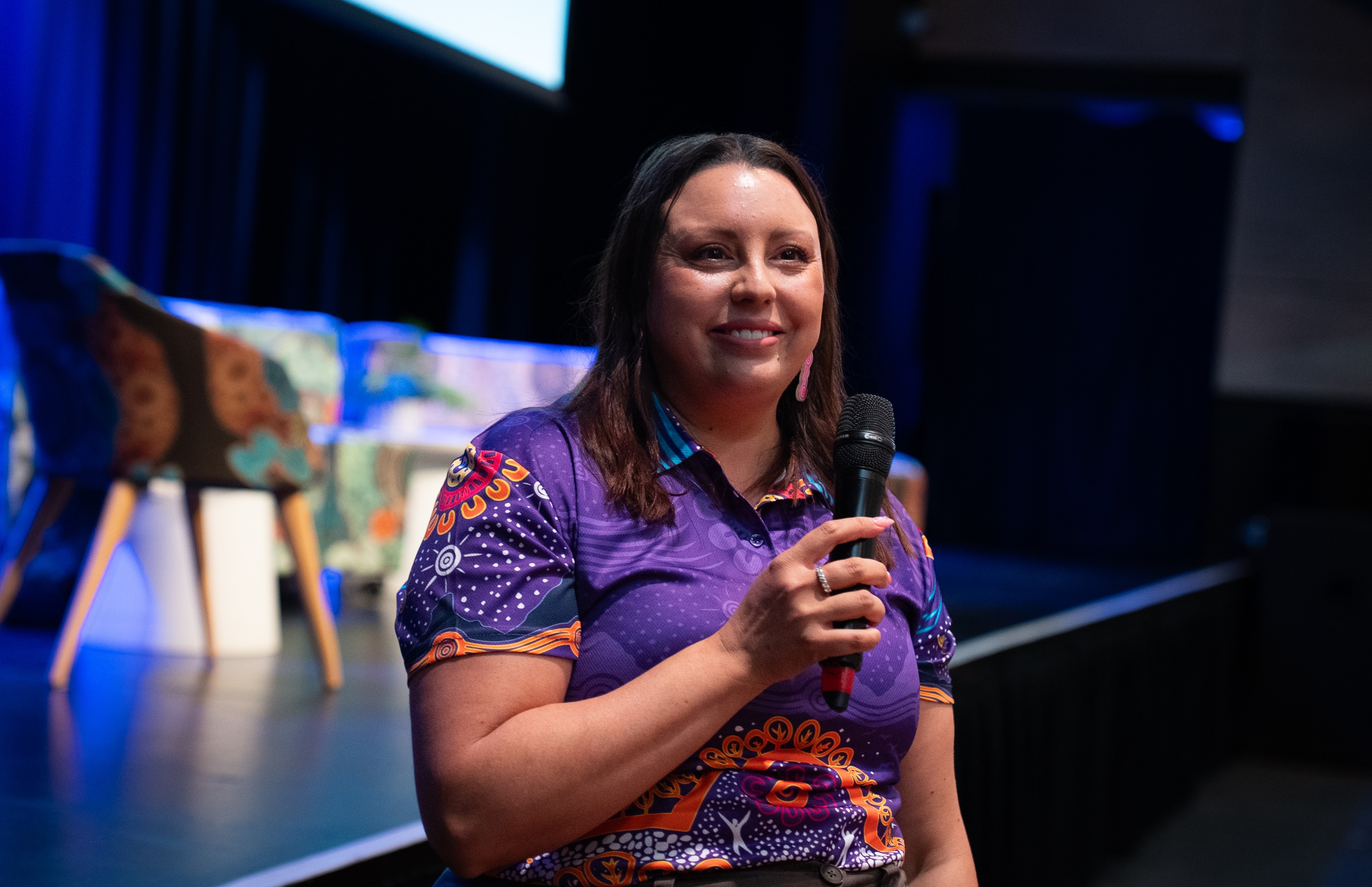
Mandandanji woman Carly Forrest, who has cultural ties to Gamilaraay, Wangan, Gangulu and Darumbal peoples, led the event's production and delivery through her consultancy, The Dreaming Collective.
Ms Forrest identified access to buyers and decision-makers as a continuing challenge for businesses.
"The Showcase is about more than celebrating Indigenous businesses during Indigenous Business Month," Ms Forrest told National Indigenous Times.
"It's about creating genuine economic opportunities, increasing visibility and bringing people together who might not otherwise connect.
"We have some incredibly talented and capable First Nations businesses across the Sunshine Coast, but access to networks, procurement opportunities and decision-makers can still be a challenge."
The showcase is a Sunshine Coast Council initiative supporting its Stretch Reconciliation Action Plan 2025-28 commitments to strengthen First Nations supplier diversity and the local First Nations economy.
The Dreaming Collective has been council's First Nations delivery partner for three years, taking responsibility for the full event production and delivery this year.
For Ms Forrest, the arrangement gave an Indigenous-owned business the opportunity to lead the work while helping other businesses connect with potential buyers.
She viewed the delivery model as a practical application of council's reconciliation commitments.
"What makes this partnership particularly meaningful is that we're not simply talking about supporting Indigenous businesses, we're demonstrating what that looks like in practice," Ms Forrest said.
"Council has committed to creating the platform, and through a First Nations-led delivery model, we're ensuring Aboriginal and Torres Strait Islander businesses are actively involved in shaping and benefiting from it.
"This is a practical example of how reconciliation commitments can translate into real economic opportunities for our communities."
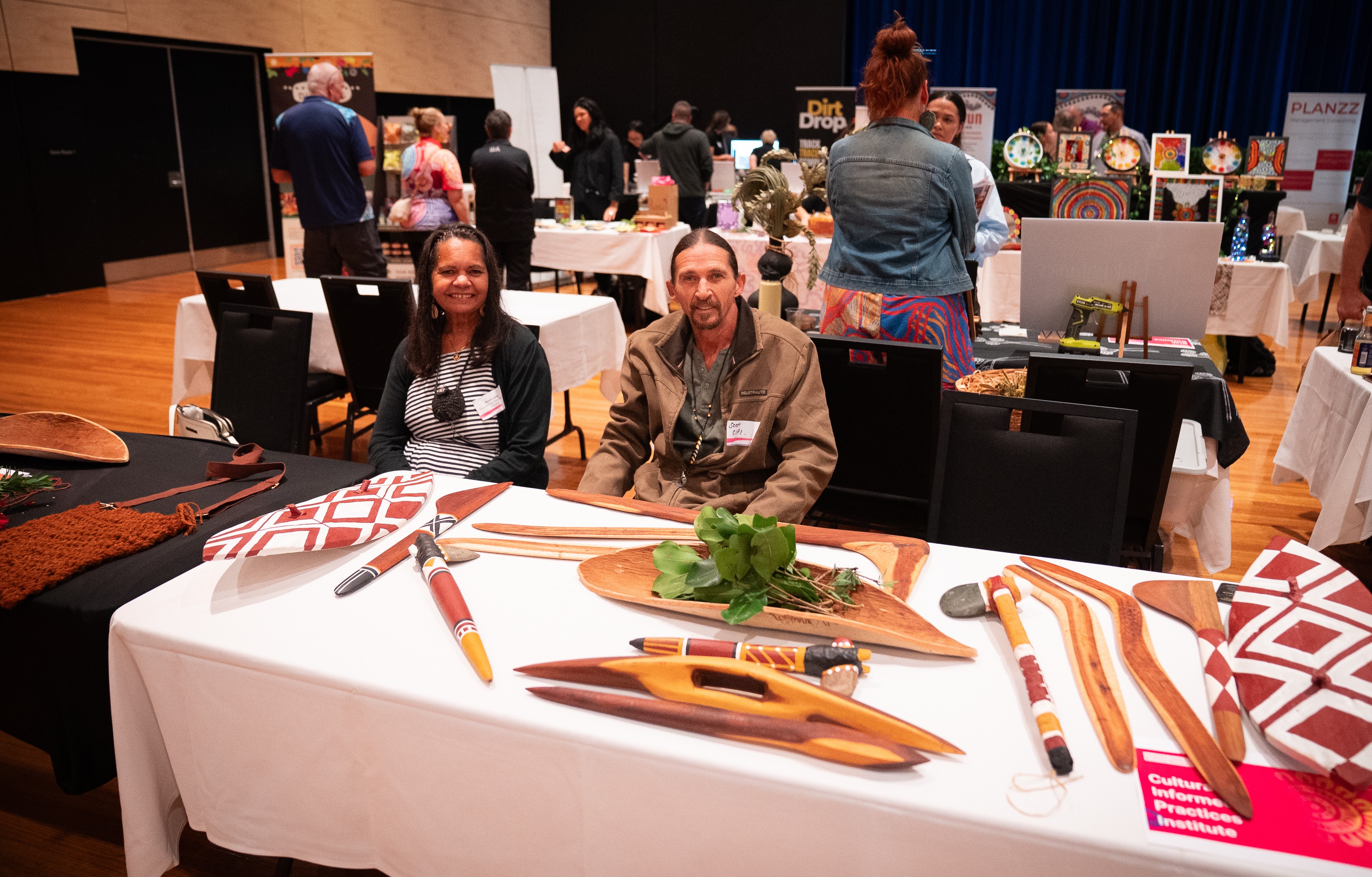
Participating businesses covered construction, professional services, consulting, creative industries, cultural services and retail.
The program included IT provider Embrace Tech, construction site services business Baan Group, design practice Blaklash and native foods business My Dilly Bag.
Ms Forrest wanted that range to broaden understanding of Indigenous enterprise.
"It challenges the perception that Indigenous businesses operate primarily in cultural products or services," she said.
"Our businesses are operating across the broader economy, bringing innovation, expertise and unique perspectives to their industries.
"What I'd really like to see is more organisations recognising First Nations businesses as capable and competitive suppliers, not simply as a way to meet Indigenous procurement targets."
The event combined introductions to potential buyers with sessions on procurement readiness and business development, helping owners understand how to pursue opportunities.
Ms Forrest's priority was for participants to leave with knowledge and relationships they could develop beyond the event.
"My priority was to make sure this wasn't simply another networking event where everyone exchanged business cards and went home," she said.
"We wanted businesses to leave with new relationships, practical knowledge and a better understanding of how to access opportunities.
"That's why we incorporated business pitches, industry conversations and short, practical masterclasses covering procurement readiness and business development."
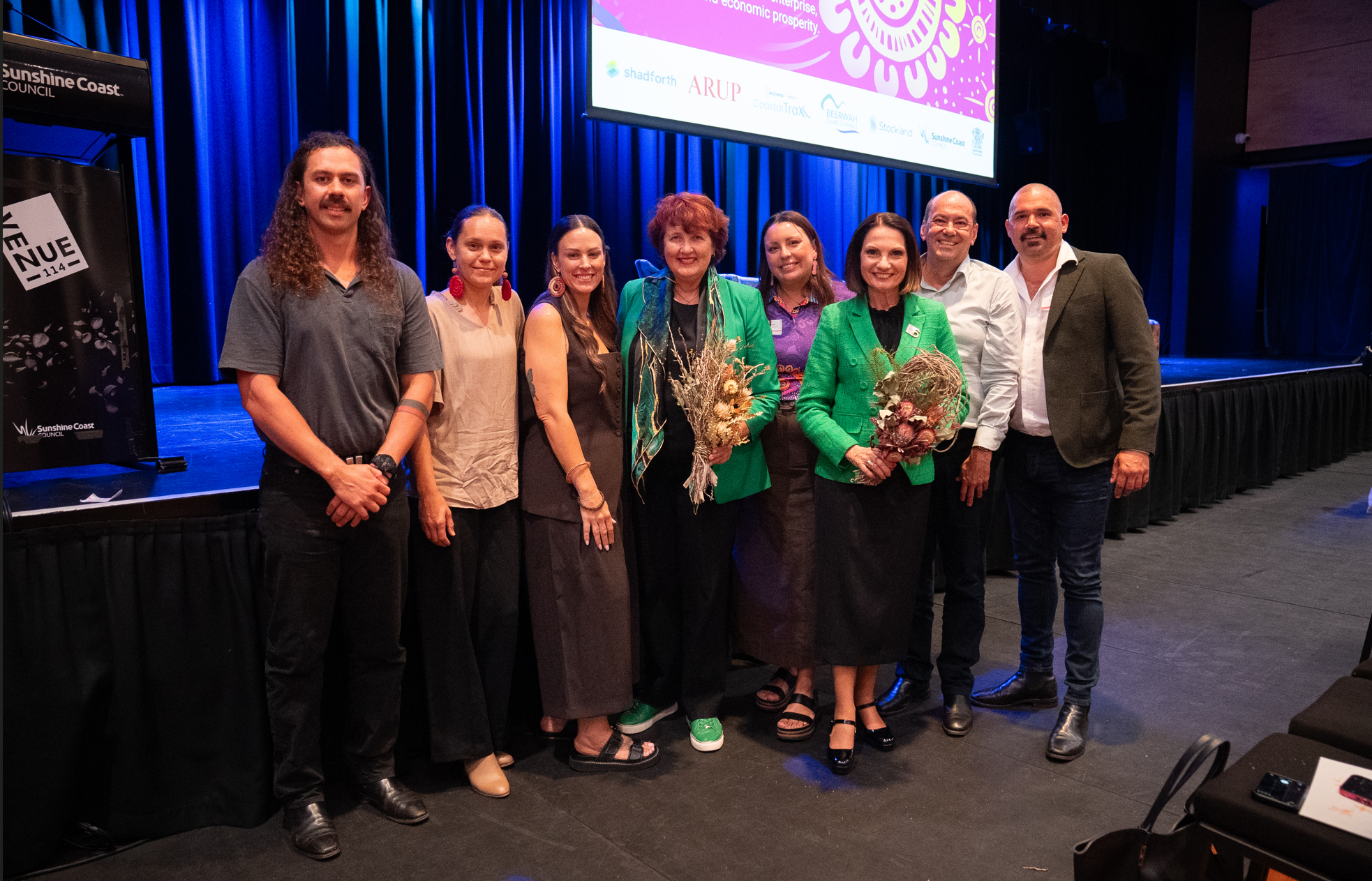
The "Local and Connected" panel brought together Murrumburr woman and Kakadu Organics founder Kylie-Lee Bradford, Quandamooka (Goenpul), Githabul and Butchulla man and PLANZZ founder Ramone Close, Gangalidda descendant and Queensland Indigenous Business Network chief executive Paul Graham, and Dunghutti woman and Riley Callie Resources founder Debbie Hoger.
Their discussion offered business owners an opportunity to learn from other Indigenous entrepreneurs' experiences.
Ms Forrest valued the opportunity to share lessons about running a business.
"The 'Local and Connected' panel was particularly important because it provided an opportunity to hear directly from First Nations business owners about their journeys, motivations, challenges and lessons learnt," Ms Forrest said.
"There's enormous value in hearing from people who have navigated similar experiences, particularly when they're willing to share both their successes and the realities of running a business."
Feedback across the past three delivery years had identified supply and engagement opportunities following the showcase, with follow-up remaining central to its longer-term impact.
Ms Forrest encouraged organisations to develop the relationships established on the day.
"Procurement is fundamentally about relationships, trust and understanding capability," she said.
"A conversation at the Showcase might lead to a follow-up meeting, an introduction to a procurement team, a subcontracting opportunity or a longer-term strategic partnership."
Her goal beyond Indigenous Business Month was economic empowerment through sustainable business growth.
"It's not enough to invite First Nations businesses into the room," Ms Forrest said.
"We need to make sure they have opportunities to participate meaningfully, build commercial relationships and grow sustainable businesses.
"That's what I'd love to see continue beyond Indigenous Business Month."