



Pacific nations are working to protect access to global banking services amid concerns that the loss of correspondent banking relationships could affect remittances, trade, tourism payments and wider economic connectivity across the region.
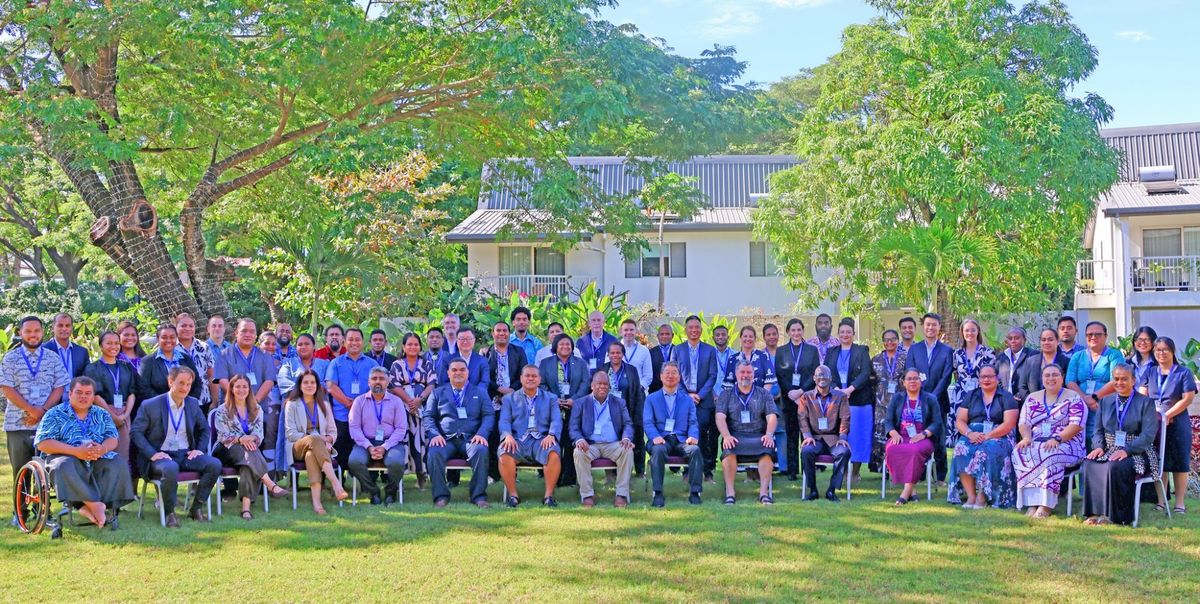
The issue was the focus of the Pacific Risk Based Supervision Workshop in Fiji, which brought together Pacific regulators, technical experts and development partners under the Strengthening Correspondent Banking Relationships in the Pacific Project.
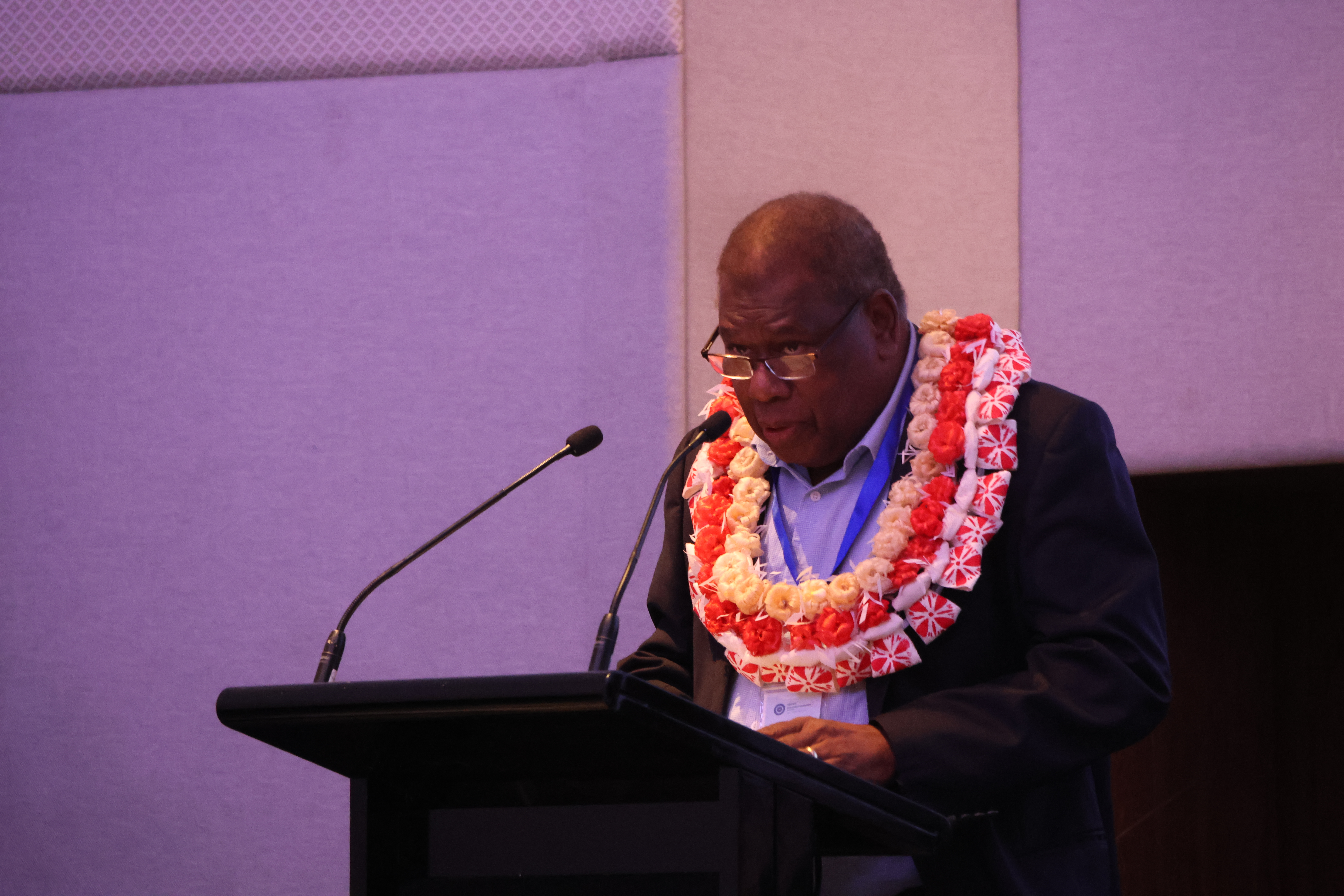
Pacific Islands Forum Secretary General Baron Divavesi Waqa said correspondent banking relationships were critical to the region's economic stability.
"Correspondent banking relationships are essential to the economic stability and connectivity of Pacific Island countries," he said.
"This workshop demonstrates the Pacific's commitment to working together with regional and international partners to strengthen financial systems, build supervisory capacity and safeguard access to the global economy."
The workshop was co-hosted by the Pacific Islands Forum Secretariat, the World Bank and the Reserve Bank of Fiji.
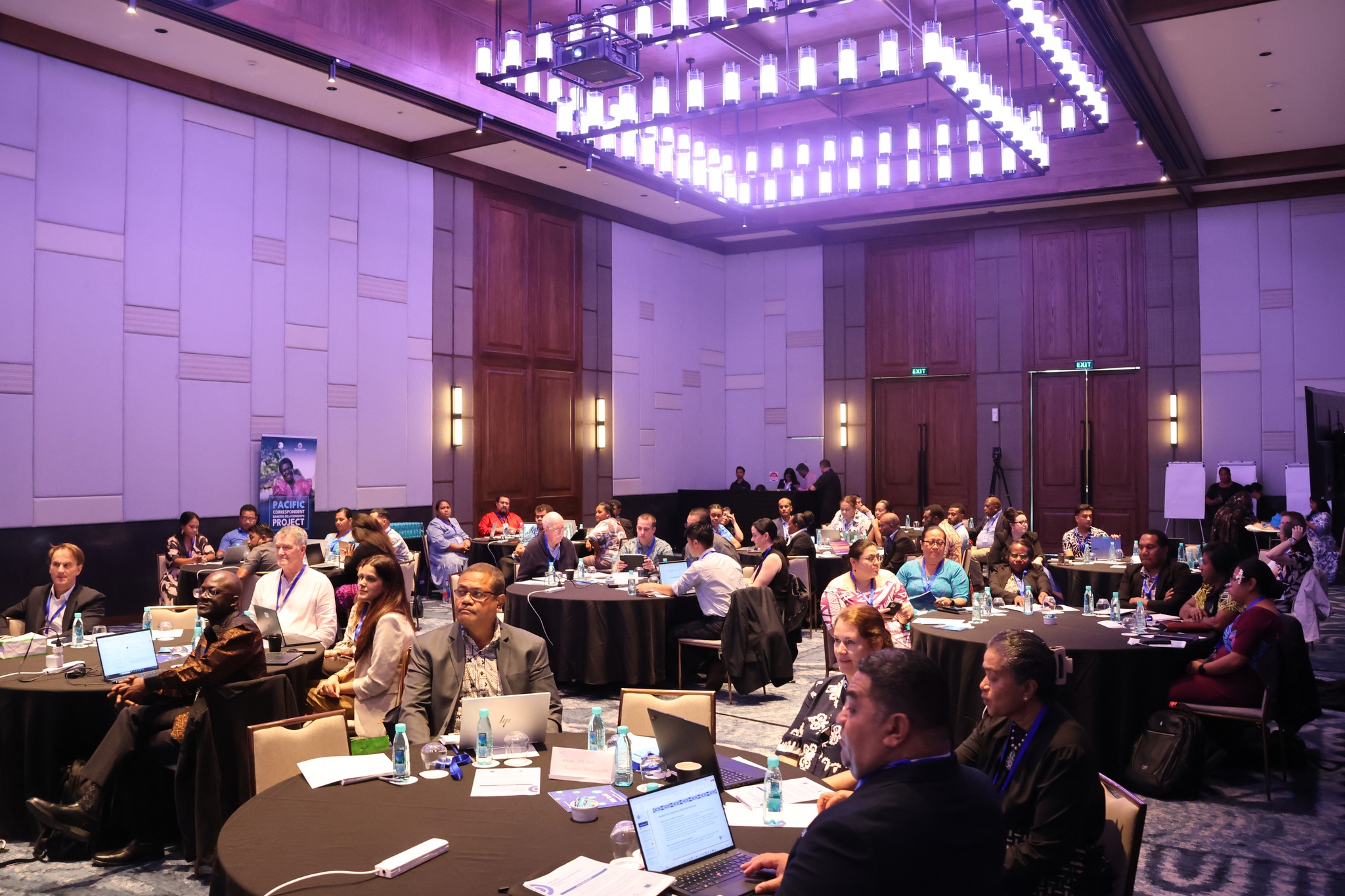
It focused on practical solutions to support cross-border banking links across the Pacific, alongside anti-money laundering and countering the financing of terrorism systems.
Those banking links enable international payments, trade, remittances, tourism transactions and access to the global financial system.
Pacific economies remain heavily reliant on these services, making their protection a regional priority.
The workshop forms part of ongoing work under the Pacific Regional Correspondent Banking Relationships Roadmap to strengthen institutional capacity, improve risk-based supervision frameworks and build long-term financial resilience among Forum member countries.
Acting Director of Programs and Initiatives at the Pacific Islands Forum Secretariat Denton Rarawa told the workshop that Pacific Island jurisdictions faced different levels of institutional capacity, economic structure and financial crime risk.
He said the region was also united by common challenges, including small and open economies, dependence on cross-border financial flows, vulnerability to external shocks and limited supervisory resources.
Risk-based supervision allows authorities to focus on the sectors, institutions, products and activities that pose the highest threats to financial integrity.
It also moves supervision beyond checklist compliance and towards a deeper assessment of controls, governance and outcomes.
Mr Rarawa said effective risk-based supervision could also support financial inclusion across the Pacific.
"In many of our jurisdictions, large segments of the population remain outside the formal financial system," he said.
"Overly prescriptive or misapplied AML/CFT requirements can unintentionally exclude low-risk customers, discourage innovation, and raise barriers to access financial services for households, small businesses, and communities in remote areas."
Confidence in domestic regulatory systems is also central to maintaining those links.
Jurisdictions may face de-risking, higher transaction costs or the loss of correspondent banking relationships if anti-money laundering and counter-terrorism financing systems are seen as weak or unpredictable.
A well-applied risk-based supervision framework shows international banks and partners that risks are understood and managed, even where resources are limited.
Mr Rarawa said regional cooperation, peer learning and technical assistance would play an important role in strengthening supervision across the Pacific.
The initiative aligns with the 2050 Strategy for the Blue Pacific Continent and regional priorities to strengthen economic resilience, financial inclusion and sustainable development outcomes.