





An Indigenous-owned Victorian company has joined forces with the Royal Melbourne Institute of Technology to explore how a new Australian-developed water treatment technology could help remove microplastics, nanoplastics and some PFAS compounds from wastewater and waterways.
Fire and Test Australasia, based in Geelong, is partnering with RMIT researchers to investigate applications for the technology in stormwater and wastewater treatment, including in community settings.
The collaboration centres on a magnetic material developed by RMIT engineers that rapidly captures contaminants from water before being recovered and reused through a magnetic separation process.
Laboratory testing showed the material removed more than 95 per cent of microplastics and nanoplastics, including particles as small as 30 nanometres.
Tests showed removal of large molecules of PFAS compounds, though the researchers say this work remains at an early stage.
The material also removed more than 95 per cent of tested contaminants including mercury, chromium, copper, dyes and ibuprofen.
Professor Nicky Eshtiaghi from RMIT's School of Engineering said the partnership reflected a shared commitment to protecting water and waterways.
"Cleaning and protecting water are deeply important for Indigenous communities as custodians of land and waterways," she said.
"We are excited to explore how this technology could be used in practical settings and help address emerging forms of pollution that are becoming a growing concern worldwide."
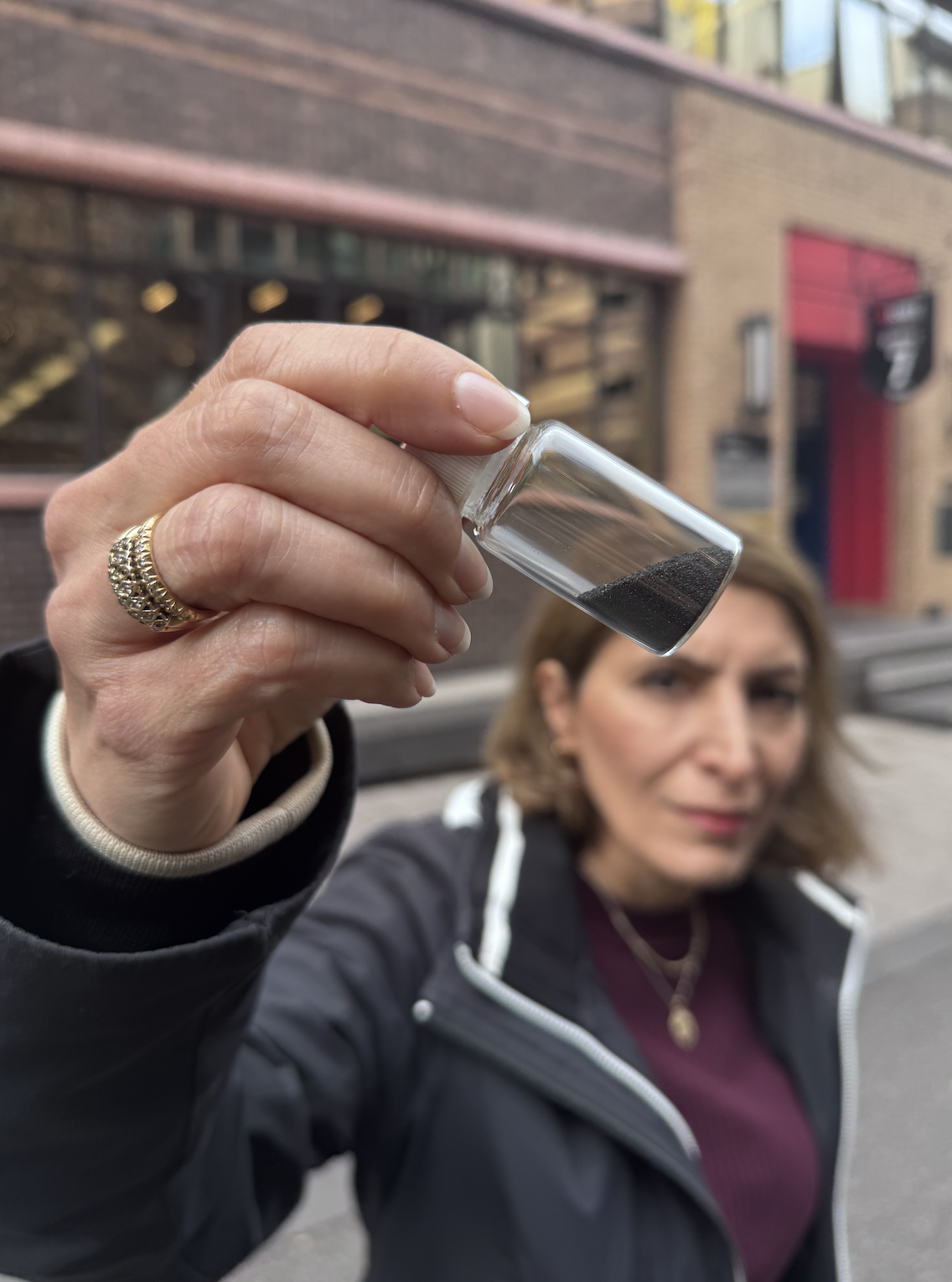
Microplastics are increasingly being detected in rivers, lakes, oceans and drinking water supplies around the world, while PFAS contamination remains a major environmental challenge for many communities.
The technology was developed to address both problems simultaneously.
Unlike many water treatment approaches that target individual contaminants, the RMIT material can remove microplastics, nanoplastics and some PFAS compounds in a single process. It can then be rapidly recovered using magnetic separation technology and reused.
The team tested the technology in industrial laundry wastewater, a major source of microplastic pollution from synthetic fibres. In those trials, it removed more than 88 per cent of polyester microfibres while maintaining strong performance in complex wastewater conditions.
Co-lead researcher associate professor Nasir Mahmood from RMIT's School of Science said moving promising research beyond the laboratory was a key priority.
"It worked in realistic water conditions, handled mixed pollutants and could be recovered efficiently," he said.
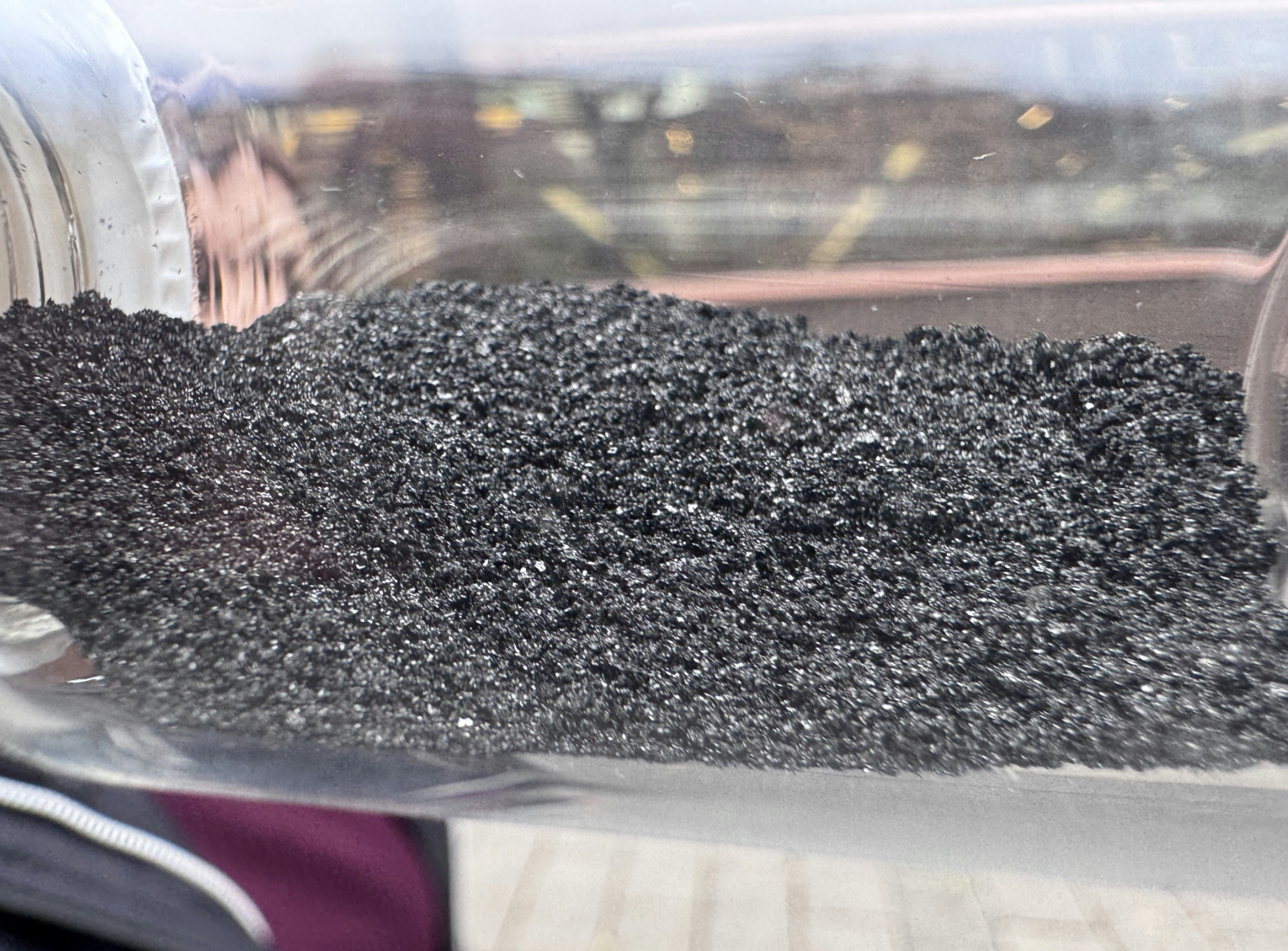
The researchers believe the technology could have applications in stormwater management, industrial wastewater treatment, municipal water treatment and community-scale systems.
Recent improvements have also made the material more practical to manufacture, with a room-temperature production process increasing output fivefold and reducing costs by about 75 per cent compared with earlier versions. The material can also be reused multiple times.
"Our goal was to make the technology effective, practical and affordable at scale," Eshtiaghi said.
"This includes ensuring the material can be recovered, reused and integrated into existing treatment systems."
The Fire and Test Australasia partnership forms part of a broader effort by the RMIT team to move the technology from the laboratory into real-world water treatment applications.
The researchers are also collaborating with Australian company Star Water Group, which has clients in the United States, including California, where tightening regulations are increasing demand for improved microplastics treatment.
The team has also partnered with Canadian company One Eye Industries to integrate magnetic separation technology that enables the treatment material to be rapidly recovered and reused after capturing contaminants.
Researchers say efficient recovery is one of the key challenges in bringing new water-treatment technologies to market.
Together, the partnerships are helping assess how the technology could be deployed across industrial wastewater, municipal treatment systems, stormwater management and community-scale water treatment applications.