



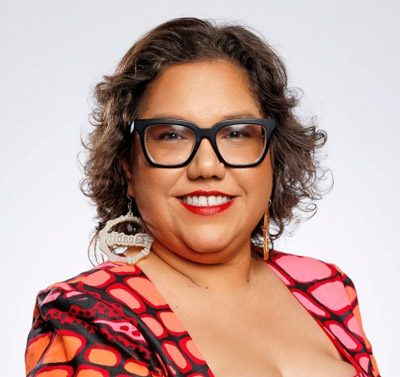

Quiet strength is often lauded, but sometimes strength means refusing to stay silent. Kira-Lea Dargin represents that kind of strength.
A proud Aboriginal entrepreneur and Managing Director of DIMEO Indigenous, she has earned a reputation as a savvy strategist, cultural advisor and dynamic voice in Australian business. Her influence stretches across advisory boards, keynote stages and executive rooms, where she brings sharp thinking, commercial understanding and cultural authority into conversations that shape decision-making.
Yet what makes her leadership particularly compelling is the courage she demonstrates when confronting behaviour many others would prefer to ignore.
While building a thriving enterprise, she has also become recognised for speaking out against online bullying and racism. Rather than accepting hostility as an unavoidable consequence of visibility, she challenges it directly.
"Anyone who knows me knows I've got an opinion," she told National Indigenous Times. "I've got an opinion on the weather; I've got an opinion on whether my morning coffee tastes the same. I've just always got an opinion."
That willingness to speak openly, she believes, carries responsibility.
"When you have an opinion and a platform, even a small one, you have influence. And influence carries responsibility."
For this business leader, influence cannot exist without accountability. She understands the damage silence can cause because she has experienced online abuse herself.
"I've experienced racism and bullying firsthand and I've watched what silence does," she said. "It allows harm to continue unchecked."
Her decision to confront this behaviour publicly is deliberate. She refuses to allow hostility to shape the standards young people observe in professional environments or digital spaces.
"My strength and courage come from knowing that if I didn't speak up, someone younger, someone watching, might think they have to accept it."
In a digital world where harassment often hides behind anonymity, challenging unacceptable behaviour requires confidence and resilience. Ms Dargin approaches those moments with clarity and conviction, even knowing criticism can intensify when women choose not to remain silent.
"As leaders and entrepreneurs, we can't just talk about values when it's comfortable," she explained. "We have to uphold them when it's inconvenient."
For her, calling out bullying is not about conflict. It is about expectation.
"If we want safer spaces in business and online, we have to be willing to set the tone."
That tone begins with refusing to shrink in response to criticism. Like many women in leadership, particularly Aboriginal women, she has encountered dismissive labels aimed at undermining authority.
"I've been called too strong, too opinionated, too assertive."
Rather than softening her voice, she interprets those reactions differently.
"You will always be 'too much' for someone who benefits from you being less."
This clarity shapes how she approaches both enterprise and advocacy. The leader behind DIMEO Indigenous believes cultural identity strengthens leadership rather than limiting it.
"I don't leave my culture at the door when I walk into a boardroom. My Indigeneity isn't something separate from my leadership. It is my leadership."
Maintaining that connection provides stability across demanding professional commitments.
"I hold onto my identity by grounding myself in community. I seek Elders' guidance. I stay connected to Country."
The businesswoman's commercial success sits alongside careful personal boundaries. Experience has taught her the importance of protecting wellbeing while operating in high-pressure environments.
"I've had to learn that access to me is not unlimited."
This awareness influences every professional decision she makes.
"I don't say yes to everything anymore, even if it's good exposure or good money. If it doesn't align with my values, if it doesn't create genuine impact, or if it compromises my wellbeing, it's a no."
For her, sustainable leadership requires balance between ambition and responsibility.
"Real balance looks like protecting my peace. It's time on Country. It's being fully present with my family."
That philosophy also shapes the message she shares with emerging Aboriginal entrepreneurs who look to her example.
"You do not have to trade your identity for opportunity."
Instead, she encourages younger generations to recognise cultural knowledge as a powerful advantage.
"Your culture is not a barrier to business. It's a competitive advantage."
There is something striking about the way she moves through the world. Fierce yet grounded. Strategic yet deeply connected to community. Unafraid to challenge behaviour that others ignore. Unwilling to compromise herself simply to make people comfortable.
In an era where online spaces can quickly become hostile, particularly for outspoken Aboriginal women, her willingness to stand firm says something powerful about the kind of leader she is becoming.
And perhaps that is what leaves such a lasting impression. Not just the business success. Not just the influence. But the sense that Kira-Lea Dargin is only getting started.