





Governments should back a dedicated China-readiness program and a pilot to help Indigenous tourism operators develop experiences for the Chinese market, sector advocates say following new research showing just 13 per cent of Chinese visitors currently participate in a First Nations tourism experience.
The report - Ancient Cultures Meet: Chinese Traveller's Perceptions and Demand for First Nations Tourism Experiences - launched Tuesday and developed by the Western Australian Indigenous Tourism Operators Council (WAITOC) and Edith Cowan University with the support of the National Foundation for Australia China Relations, identifies "significant potential" to strengthen the connection between Chinese travellers and Aboriginal cultural experiences.
China generated $9.8 billion in expenditure from the 892,000 visitors to Australia in the year 2024-2025 financial year, making it Australia's highest-value international visitor market. However, the report identifies barriers to Indigenous tourism experiences among Chinese visitors, including low awareness, limited Mandarin-language information, fragmented promotion and distribution, and inconsistent market readiness among operators.
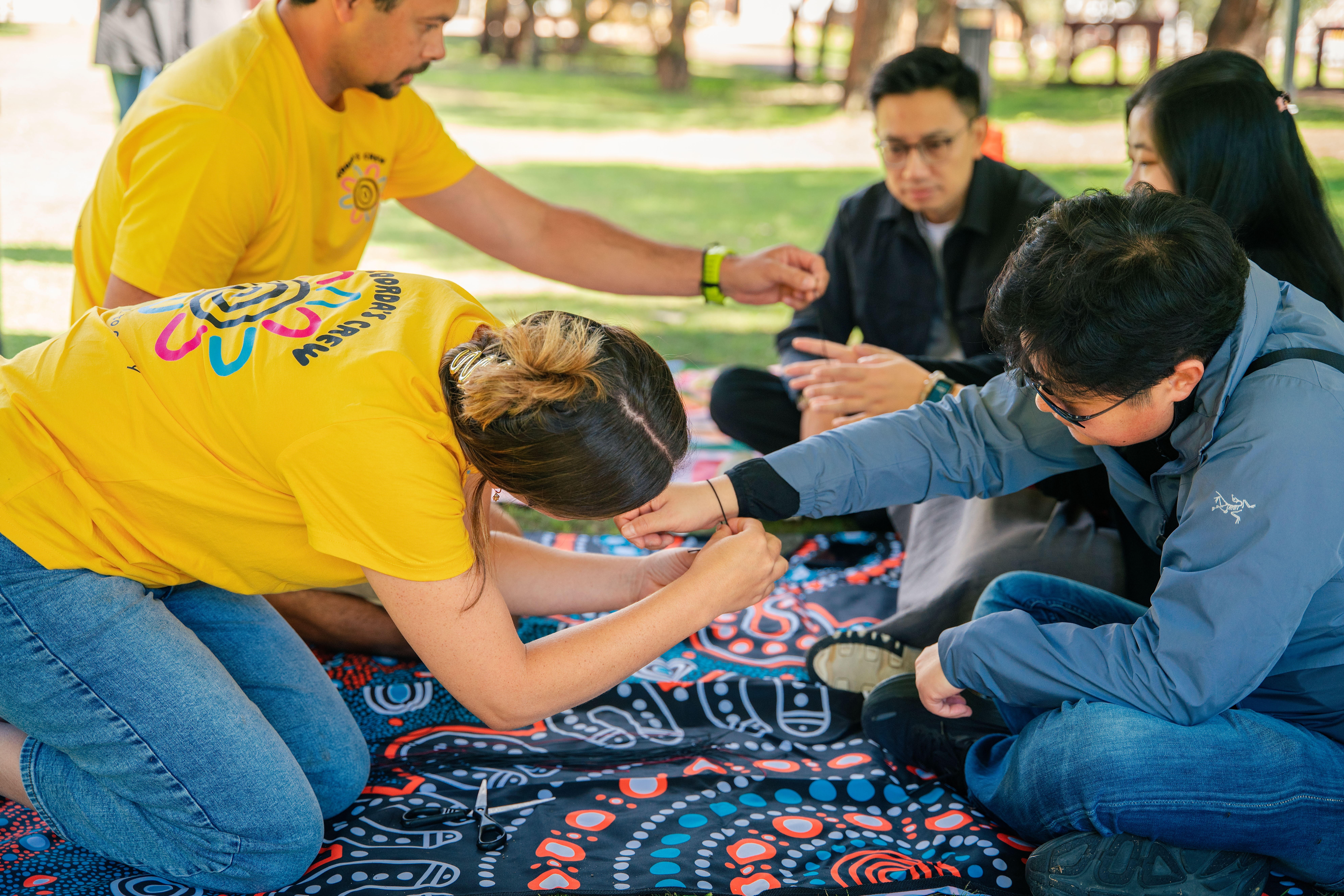
WAITOC has called for government support to develop the industry, focusing on two initiatives to "increase capability, and maximise visitation and benefits" for Aboriginal tourism businesses and communities.
The first is a dedicated, Indigenous-led China-readiness program for First Nations tourism operators tailored to the way Aboriginal cultural experiences are developed and delivered. This would "support operators to better understand Chinese visitor expectations, strengthen product development and interpretation, improve digital and Mandarin-language capability and build stronger relationships with the international travel trade", WAITOC said on Tuesday.
The second is investment in a pilot program working directly with First Nations operators to develop and test tourism experiences for the Chinese market, helping identify products that are "culturally appropriate, attractive to Chinese visitors and commercially sustainable".
WAITOC chief executive Rob Taylor said the report demonstrated the opportunity, but targeted investment was now needed to help operators capture it.
"Chinese visitors are already coming to Australia in significant numbers and spending big, but relatively few are connecting with the oldest living culture in the world," Mr Taylor said.
"The research tells us there is interest, but we need to make sure Aboriginal businesses have the right support to take advantage of it. We don't need generic training, we need a program designed specifically for First Nations tourism operators, alongside a pilot program that works directly with businesses to develop and test the experiences most suited to this market.
"No individual operator, state or organisation can achieve that alone. We need to move towards a genuinely national approach, including the development of a national body capable of coordinating the sector, which we are beginning to establish."
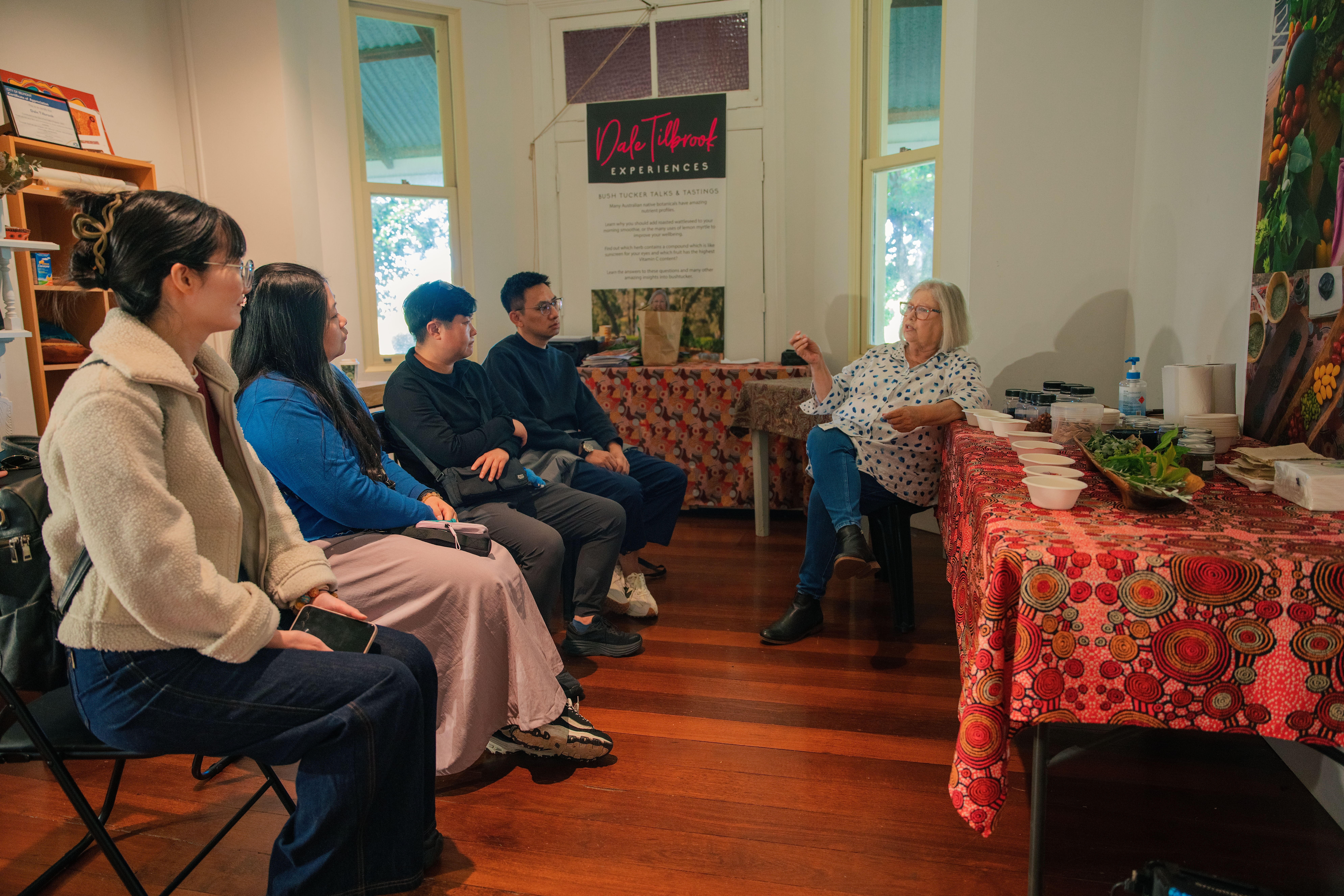
Mr Taylor said the need for greater national coordination is being echoed across the tourism industry.
"As Australia prepares for the 2032 Brisbane Olympics, there is a clear opportunity for government to work with the sector on a stronger national approach to how Aboriginal tourism is positioned and promoted, while still showcasing the diversity of cultures and experiences across the country," he said.
"WAITOC is ready to work with governments, tourism agencies and industry partners to turn the report's findings into practical action."
Australia China Business Council President James Clarke said building the sector's capability would help Australia strengthen its tourism offering in China.
"First Nations tourism offers something visits simply cannot experience anywhere else in the world," Mr Clarke said.
"Targeted investment in market readiness and product development would help more Aboriginal tourism businesses connect with Chinese travellers and strengthen the broader economic, cultural and people-to-people relationship between our countries.
"There is a significant economic opportunity in helping more Chinese visitors connect with First Nations tourism. Building the capability of Aboriginal tourism businesses to access this market can support strong businesses, more jobs and greater economic participation, while creating an Australian tourism offering that is genuinely distinctive in a competitive global market."